



Alico Changes Citrus Land Use
Click the play button above to listen to the article
As Alico, Inc. transitions from its longstanding roots in citrus agriculture, it faces a pivotal moment that reflects broader environmental and economic shifts. This journey not only highlights the challenges of the citrus industry but also underscores the innovative paths ahead for sustainable growth.
What You Will Learn
- Alico has a rich history in citrus agriculture, founded in 1960 and dedicated to sustainable farming practices.
- Environmental challenges, including climate change and soil degradation, are significantly impacting citrus production.
- Citrus Greening Disease poses a major threat, affecting crop yields and quality for the industry.
- The decline in citrus production has economic consequences, including job losses and increased pressure on agricultural infrastructure.
- Alico is transitioning to residential development with the Corkscrew Grove Master-Planned Community, focusing on sustainable growth and community engagement.
- Stakeholder engagement is vital, and Alico encourages participation through social media, newsletters, and community meetings.
- Understanding local government regulations and working with planning commissions are crucial for successful project implementation.
Alico’s Transition: From Citrus Legacy to Future Development
Alico, Inc. is undergoing a significant transition from its long-standing citrus agriculture roots to new development ventures. This visual highlights the key factors influencing this shift and the company’s future outlook.
Citrus Legacy & Decline Factors
- ✓
Established in 1960, 13,000+ acres for citrus.
- ⚠
Environmental Challenges (Climate, Soil Degradation).
- ⚠
Citrus Greening Disease: Pervasive threat.
New Development Ventures
- ➤
Corkscrew Grove Master-Planned Community.
- ➤
Focus on housing, sustainable growth.
- ➤
Navigating local government regulations & planning.
Key Milestones & Engagement
- ⏱
Environmental assessments completed soon.
- ⏱
Building permits acquisition in progress.
- 📣
Community engagement: social media, newsletters.
Economic & Community Impact
- 💻
Economic shifts: job losses in citrus.
- 💻
Economic diversification for growth.
- 📰
Building sustainable community, respecting environment.
Understanding Alico’s Transition from Citrus Agriculture
Alico, Inc. has a rich history in citrus agriculture, deeply rooted in Florida’s agricultural landscape. For years, Alico thrived in the citrus business, producing high-quality oranges and grapefruits that were cherished not just locally but across the nation. However, as the industry faced numerous challenges, Alico has embarked on a significant transition that reflects the evolving needs of our environment and community.

Our journey illustrates not just a shift in business strategy, but also a commitment to adapting and innovating in response to external pressures. In this section, we delve into Alico’s citrus legacy and the factors influencing its transition towards new opportunities.
Overview of Alico, Inc. and Its Citrus Legacy
Alico, founded in 1960, has long been a steward of Florida’s citrus industry. With over 13,000 acres of land dedicated to citrus production, we established ourselves as a leader in the market. However, the legacy of Alico is not just about the land we cultivated; it’s about the communities we supported and the environmental practices we championed. Our strategic transformation is detailed further in a press release from Alico, Inc.
- Established in 1960, Alico has a long-standing heritage in citrus farming.
- Our focus on sustainability has guided our farming practices over the decades.
- Alico has contributed significantly to local economies through job creation and community engagement.
As we begin to navigate new pathways, it’s essential to acknowledge this foundational history. It sets the stage for understanding the reasons behind our shift and the potential future we envision.
The Decline of Citrus Production: Causes and Impacts
In recent years, the decline of citrus production has been influenced by several critical factors. Environmental challenges, such as changing weather patterns and soil degradation, have severely impacted our crops. The reality is that the citrus industry is facing unprecedented challenges that we cannot ignore.
- Rising temperatures and unpredictable rainfall have made it difficult for citrus trees to thrive.
- Soil health has declined due to overuse and lack of sustainable practices.
- Citrus Greening Disease has become a pervasive threat to our crops.
Understanding these challenges is crucial as we pivot our strategies. It highlights the urgency of finding new, sustainable avenues for our land while continuing to support our community.
Environmental Challenges Affecting Citrus Viability
The pressing environmental challenges we face significantly affect the viability of citrus production. Climate change, coupled with the increasing frequency of storms and droughts, poses a serious risk. These factors not only affect yield but also the long-term sustainability of our farming practices.
Additionally, our commitment to environmental stewardship means we must adapt to these challenges. By shifting our focus, we aim to promote resilience in land use and explore new agricultural practices that prioritize ecological balance.
Impact of Citrus Greening Disease on Production
One of the most significant threats to our citrus crops is the spread of Citrus Greening Disease, also known as Huanglongbing (HLB). This bacterial disease affects the trees’ ability to produce fruit, leading to lower yields and impacting the quality of the fruit produced. It’s become a major concern for the entire Florida citrus industry, as highlighted in a report on the sunset of Florida’s citrus.
As the disease continues to spread, we’ve recognized that sustaining a profitable citrus operation under these conditions is increasingly challenging. This realization has propelled Alico to explore new avenues, ensuring that we can continue to contribute to Florida’s agricultural landscape.
Shifts in the Florida Citrus Industry and Its Economic Consequences
The overall decline in citrus production has significant economic consequences, not just for Alico but for the broader Florida economy. As the industry shrinks, we see job losses and reduced revenue for those dependent on citrus agriculture. These economic shifts necessitate a reevaluation of land use and development strategies.
- Job losses in citrus agriculture affect local economies and communities.
- Reduced revenue streams lead to increased pressure on agricultural infrastructure.
- Economic diversification becomes crucial for sustaining community growth.
By understanding these economic trends, Alico can better position itself to pivot away from traditional citrus farming and embrace new opportunities that align with community needs and environmental sustainability.
Pro Tip
As Alico transitions from citrus agriculture, consider exploring opportunities in sustainable practices such as organic farming or agroforestry. These methods not only enhance biodiversity but can also yield profitable returns while helping to mitigate the environmental challenges faced in traditional farming.
Future Outlook for Alico’s Development Ventures
As Alico, Inc. moves forward with its exciting transition into residential development, the future looks promising! With the establishment of the Corkscrew Grove Master-Planned Community, we are poised to make a significant impact in our local area. Our focus on creating a vibrant community not only fulfills a need for housing but also aligns with our commitment to sustainable growth, as outlined in plans for two new villages in Southwest Florida.
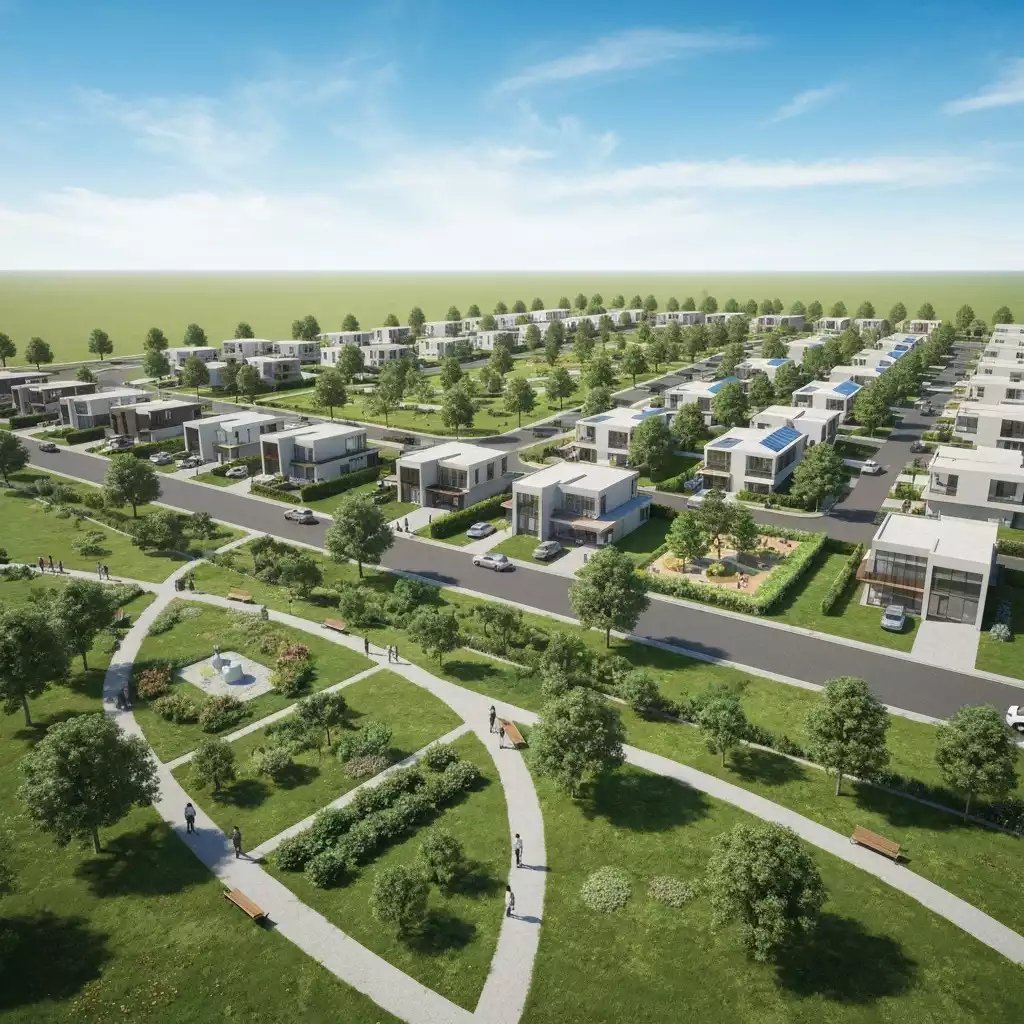
The permitting and construction timeline is critical for ensuring that we meet our goals. We are currently in the process of obtaining the necessary approvals, and we anticipate that our phased development will begin shortly. Here’s a quick overview of the key milestones we are tracking:
- Completion of environmental assessments
- Acquisition of building permits
- Start of initial construction phases
- Projected timelines for community amenities
We are dedicated to keeping all stakeholders informed as we progress through these phases. It’s vital for us to maintain transparency and engage with the community throughout the development process.
Next Steps for Stakeholders and Interested Parties
Engagement is key as we move forward! Alico invites all stakeholders and interested parties to stay informed and involved in our development plans. Here’s what you can do to keep up with our progress:
- Follow our updates on social media for the latest news
- Subscribe to our newsletter for in-depth information
- Attend community meetings to voice your opinions and ask questions
Every voice matters, and we want to ensure that local residents and investors feel included in our journey. As we plan for the future, it’s important to understand the local government regulations that guide our development efforts.
Understanding Local Government Regulations and Planning Commissions
Navigating local government regulations can be a complex process, but we are committed to doing it right. Alico recognizes the importance of working closely with planning commissions to adhere to all guidelines. This understanding helps us to:
- Ensure compliance with zoning laws and land use regulations
- Facilitate smoother permitting processes
- Engage in dialogue with local officials for better community integration
By fostering these relationships, we aim to build a community that respects both the needs of residents and the environment. Our goal is to create a sustainable living space that everyone can be proud of!
Engaging with Alico’s Transition Plans
We want you to be part of Alico’s journey! As development progresses, staying informed about our transition plans is essential for all stakeholders. We encourage open dialogue and look forward to hearing from you!
How to Stay Informed About Ongoing Developments
To help you keep up with what’s happening at Alico, we have several channels available. Here are the best ways to stay updated:
- Visit our official website for project insights
- Engage with us through social media platforms
- Sign up for updates and notifications directly from our team
By staying connected, you’ll gain insights into our development processes and community initiatives, ensuring you’re always in the loop!
Contact Information for Further Inquiries and Feedback
Your feedback is invaluable to us! If you have questions or comments regarding our projects or community plans, please reach out. Here’s how you can contact us:
- Email: info@alico.com
- Phone: (123) 456-7890
- Visit us at our office for face-to-face discussions
We genuinely appreciate your interest and involvement in Alico’s future, and we are excited to collaborate with everyone as we embark on this new chapter!
Recap of Key Points
Here is a quick recap of the important points discussed in the article:
- Alico, Inc. has a rich heritage in citrus agriculture, established in 1960, contributing to local economies and advocating for sustainable practices.
- Significant environmental challenges, including climate change and Citrus Greening Disease, are impacting citrus production viability.
- The decline in citrus production necessitates a reevaluation of land use, leading Alico towards exciting new ventures, including residential development.
- Engagement with stakeholders is vital; Alico encourages community involvement through social media, newsletters, and local meetings.
- Understanding and adhering to local government regulations is crucial for successful development and community integration.
Frequently Asked Questions about Alico’s Transition
- What is causing Alico to transition away from citrus agriculture?
- Alico is transitioning due to several critical factors, including environmental challenges like climate change and soil degradation, and the pervasive threat of Citrus Greening Disease, which severely impacts crop yields and quality.
- What is the Corkscrew Grove Master-Planned Community?
- The Corkscrew Grove Master-Planned Community is Alico’s new residential development venture. It focuses on creating sustainable housing and fostering community engagement, marking a significant shift from its traditional citrus farming operations.
- How can stakeholders stay informed about Alico’s development plans?
- Stakeholders can stay informed by following Alico’s updates on social media, subscribing to their newsletters for in-depth information, and attending community meetings to voice opinions and ask questions.
- What are the economic consequences of the decline in citrus production?
- The decline in citrus production leads to significant economic consequences, including job losses in the agricultural sector, reduced revenue streams, and increased pressure on existing agricultural infrastructure. This necessitates economic diversification for growth.
- Why are local government regulations important for Alico’s new projects?
- Understanding and adhering to local government regulations and working with planning commissions are crucial for ensuring compliance with zoning laws, facilitating smoother permitting processes, and fostering better community integration for successful project implementation.


