



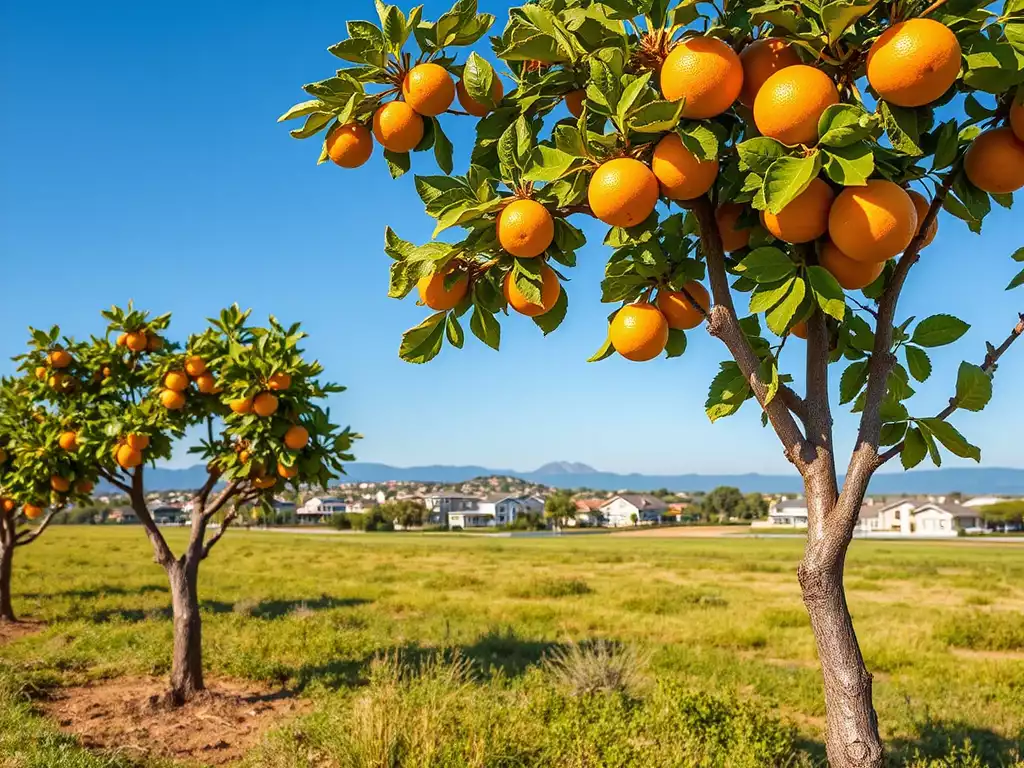
Alico Shifts Focus from Citrus
Click the play button above to listen to the article
As the agricultural landscape evolves, Alico’s bold decision to halt citrus farming in Florida serves as a critical lesson in adaptability and resilience in the face of insurmountable challenges. What does this mean for the future of production and community development?
What You Will Learn
- The impact of citrus greening disease on production and profitability.
- How severe weather events, particularly hurricanes, have intensified challenges for citrus farmers.
- The historical decline of Florida’s citrus industry and the need for innovative agricultural strategies.
- The significance of economic resilience and diversification in agriculture.
- Ways community engagement can shape the future of local economies during transitions.
Alico’s Strategic Shift: From Citrus Farming to New Horizons
This visual summarizes the key drivers behind Alico’s decision to cease citrus operations and its future strategic pivot.
Reasons for Ceasing Citrus Operations
- Citrus greening disease impact
- Increased hurricane frequency & damage
- Economic viability challenges
- Fluctuating market prices
Strategic Pivot & Future Focus
- Economic diversification
- Real estate development
- Community development initiatives
- Sustainable practices & stewardship
@media (max-width: 768px) {
#alico-transition-visual article {
flex-basis: 100%;
max-width: 100%;
}
}
Alico’s Transition: Ending Citrus Operations in Florida
As we navigate through the complexities of the modern agricultural landscape, Alico’s decision to cease citrus farming in Florida is a poignant reflection of the challenges facing the industry. Economic pressures, including the relentless grip of citrus greening disease and the catastrophic impact of hurricanes, have made it increasingly difficult for us to maintain profitable operations. This decision wasn’t made lightly; it embodies a necessary pivot in response to these ongoing challenges.
The citrus greening disease has devastated many farms, drastically reducing yields and quality. Additionally, with hurricanes becoming more frequent and severe, we have faced significant production losses. The combination of these factors has ultimately led us to conclude that continuing citrus operations is no longer sustainable for Alico.
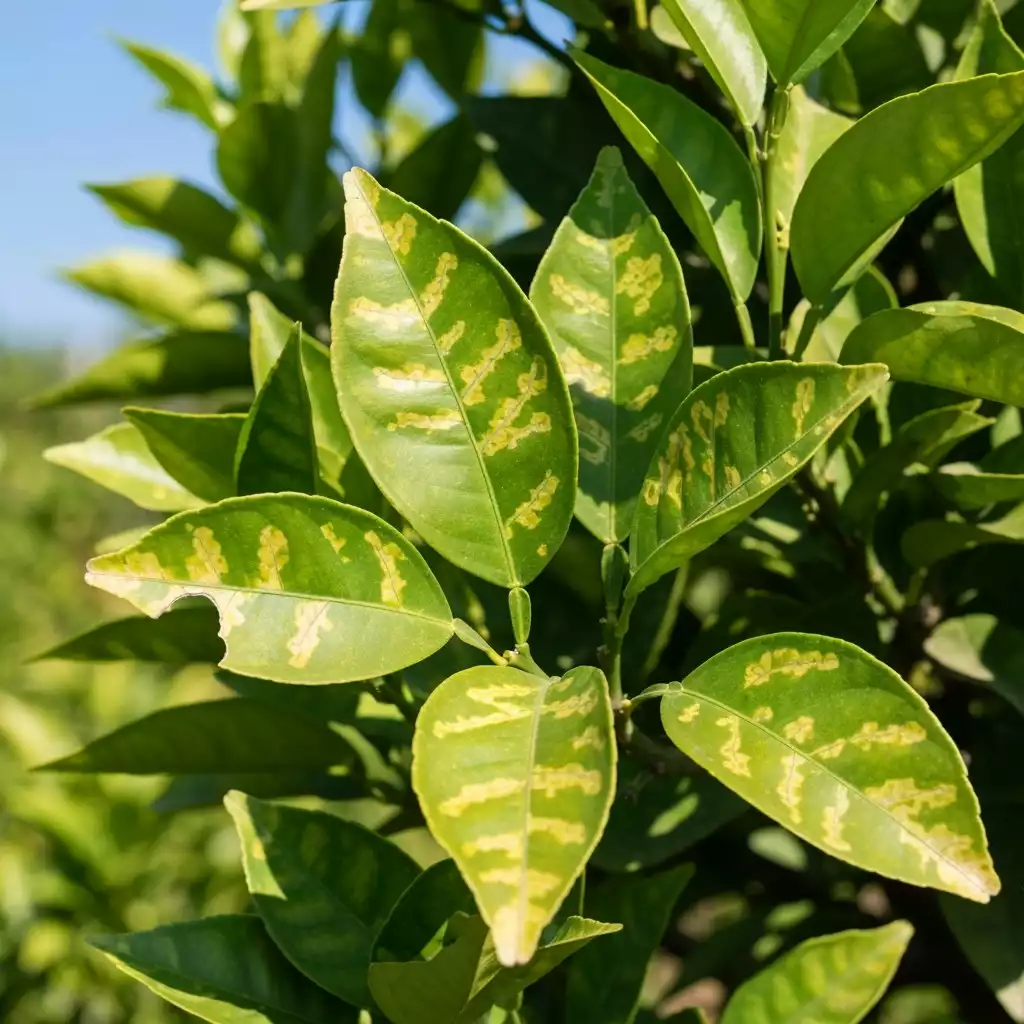
Overview of Alico’s Decision to Cease Citrus Farming
To better understand Alico’s decision, it’s essential to look at the broader economic context. The citrus industry has been grappling with multiple challenges over the years. In addition to the biological threats posed by pests and diseases, the financial toll of damage from recent hurricanes has been overwhelming. This situation highlights a critical turning point not just for Alico but for the entire Florida citrus sector.
- Challenges from citrus greening disease impacting production
- Increased hurricane frequency leading to severe crop damage
- Economic viability of continued citrus farming becoming questionable
These factors have created a landscape where many citrus producers are reconsidering their futures, echoing similar sentiments across the industry. Consequently, Alico has made the strategic decision to pivot towards new opportunities that promise a more stable future.
Understanding the Decline of Florida’s Citrus Industry
Historically, Florida has been a powerhouse in citrus production, known for its vibrant orange groves and world-class juice. However, over the past decade, the landscape has shifted. The decline of Florida’s citrus industry has been dramatic, with production dropping significantly. Alico’s situation serves as a microcosm of these broader trends, underscoring the need for adaptation and innovation.
- Historical context: Florida’s citrus industry peak and decline
- Impact of diseases and environmental factors
- Need for new agricultural strategies and diversification
Alico’s decision to cease citrus farming mirrors what many in our industry have faced: the challenge of adapting to an evolving environment. As we reflect on this decline, we recognize that moving forward requires embracing different avenues for growth and sustainability.
Industry Challenges Contributing to Alico’s Decision
The citrus industry is at a crossroads, with various economic challenges influencing decisions like ours at Alico. Factors such as fluctuating market prices, increasing production costs, and a lack of adequate pest control solutions have compounded the difficulties. This confluence of challenges has made it clear that a change was necessary.
- Economic downturns affecting citrus prices
- High costs of pest management and crop maintenance
- Limited agricultural innovation affecting productivity
As we assess these challenges, Alico is committed to leveraging our resources toward projects that promise better economic viability. We are excited about the future and believe that our pivot will bring significant benefits to the community and stakeholders alike.
Pro Tip
As the agricultural landscape continues to evolve, consider diversifying your investments. Exploring alternative crops or industries can provide stability and resilience against the unpredictable forces affecting traditional farming, such as climate change and market fluctuations.
Looking Ahead: What the Future Holds for Alico and Florida’s Citrus Industry
Alico’s transition from citrus farming marks a significant shift not just for the company, but for the entire Florida citrus industry. This decision, driven by ongoing challenges, reflects a broader narrative about the evolution of agricultural practices and land use in our state. As we navigate these changes, the implications stretch far beyond Alico’s immediate operations.
The impact of Alico’s exit from citrus farming resonates with many stakeholders. It highlights the need for adaptation and innovation in an industry that has faced persistent challenges. With Alico embracing real estate development, new opportunities arise, potentially reshaping the agricultural landscape into something that better suits today’s economic realities.
Frequently Asked Questions (FAQs)
- Q: What prompted Alico’s decision to cease citrus farming?
- A: Alico’s decision was primarily driven by economic pressures, including the severe impact of citrus greening disease, increased frequency and damage from hurricanes, and overall challenges to the economic viability of citrus operations.
- Q: How has citrus greening disease affected Florida’s citrus industry?
- A: Citrus greening disease has had a devastating impact, significantly reducing yields and the quality of citrus crops across Florida, making it difficult for many farms to maintain profitability.
- Q: What is Alico’s new strategic focus after ending citrus operations?
- A: Alico is pivoting towards economic diversification, focusing on real estate and community development initiatives, and embracing sustainable practices and stewardship.
- Q: What are the broader implications of Alico’s decision for Florida’s agricultural sector?
- A: Alico’s transition signifies a broader shift in Florida’s agricultural identity, highlighting the need for economic resilience, diversification, and adaptation to evolving environmental and economic pressures within the industry.
- Q: How can communities stay informed and engaged with Alico’s future developments?
- A: Communities can stay engaged by following local news, attending community meetings to voice opinions and learn about development plans, and monitoring Alico’s updates on social media platforms.
Conclusion on Alico’s Transition and Its Broader Significance
As we reflect on Alico’s journey, it’s clear that the decision to pivot from citrus operations is not merely a business strategy; it symbolizes a broader shift in Florida’s agricultural identity. This transition is significant for several reasons:
- Economic Resilience: Alico’s move highlights the need for economic diversification in response to agricultural uncertainties.
- Community Development: The focus on residential development opens doors for growth in local housing and amenities.
- Environmental Stewardship: Alico’s commitment to sustainability can inspire other businesses to integrate conservation into their development plans.
These elements not only redefine Alico’s business model but also signal a shift toward more sustainable practices within Florida’s agricultural sector. The transition serves as a case study in adaptability, where traditional farming meets contemporary residential needs. This strategic shift is further detailed in reports on Alico’s financial results after its last major citrus harvest, underscoring the company’s commitment to a viable future.
Community Engagement and Continuing Updates
As we look forward, it’s essential for our community to stay engaged with Alico’s developments. Keeping an eye on updates will allow us to understand how these changes will benefit us all. Here are a few ways you can stay connected:
- Follow Local News: Keep an eye on local news outlets for announcements regarding Alico’s projects.
- Attend Community Meetings: Join discussions to voice your opinions and learn more about development plans.
- Engage on Social Media: Follow Alico on social media platforms for the latest updates and insights.
Engaging with these initiatives not only fosters community connection but also ensures that we play a role in shaping the future of our local economy and environment. Together, we can navigate this transition, turning challenges into opportunities for growth and development in the vibrant community we call home!
Recap of Key Points
Here is a quick recap of the important points discussed in the article:
- Alico’s decision to cease citrus farming reflects the economic pressures from citrus greening disease and severe hurricanes.
- The Florida citrus industry is facing significant challenges, necessitating a shift towards new agricultural strategies and diversification.
- Alico’s transition emphasizes the need for economic resilience, community development, and environmental stewardship in the agricultural sector.


