



Alico Shifts Focus from Citrus
Click the play button above to listen to the article
A strategic shift can often lead to new opportunities. As Alico transitions from citrus operations to real estate development, their journey offers valuable lessons in adaptability and community engagement.
What You Will Learn
- Citrus greening disease has profoundly impacted Florida’s citrus industry, leading to significant declines in production and quality.
- Alico’s pivot from agribusiness to real estate development exemplifies a strategic response to environmental and economic challenges.
- Exploring crop diversification is essential for mitigating risks and ensuring sustainable agricultural practices in the face of adversity.
- Community involvement and effective land use planning are critical for fostering sustainable growth and addressing local needs.
Alico’s Strategic Shift: From Citrus to Real Estate
This visual outlines the key reasons behind Alico’s decision to exit citrus operations and their strategic pivot towards real estate development and diversification.
Reasons for Exiting Citrus Operations
- Pervasive citrus greening disease
- Significant production declines
- Increased production costs
- Threatened agricultural livelihoods
Environmental crisis driving business decisions.
Strategic Shift to Real Estate Development
- Leveraging land resources for housing projects
- Creating sustainable communities
- Enhancing local infrastructure and amenities
- Generating new economic opportunities
Building a resilient future for business and community.
Future Prospects & Diversification
- Crop diversification strategies post-citrus
- Long-term regional planning in Collier & Lee Counties
- Balancing growth with sustainability
- Importance of land use planning
Adaptive strategies for evolving market needs.
Community Engagement & Partnerships
- Engaging with community development plans
- Utilizing resources for ongoing updates
- Highlighting public-private partnerships
- Ensuring equitable access to resources
Collaboration for thriving, sustainable communities.
/* Responsive adjustments for smaller screens */ @media (max-width: 768px) { #alico-strategy-visual section { flex-basis: 100%; max-width: 100%; } }
Understanding Alico’s Decision to End Citrus Operations
As we navigate through the ongoing challenges faced by the Florida citrus industry, it’s crucial to understand Alico’s decision to cease its citrus operations. This decision was heavily influenced by the pervasive citrus greening disease, which has devastated many groves across the state. At Alico, we’ve witnessed firsthand the struggle against this insidious disease, as it not only affects fruit quality but also threatens the livelihood of agricultural communities.
The impact of citrus greening extends beyond just Alico. It has reshaped the landscape of Florida’s citrus production, forcing growers to rethink their strategies and the future of their farms. This transition isn’t merely a business decision; it’s a response to an environmental crisis that has left countless families and businesses in distress.
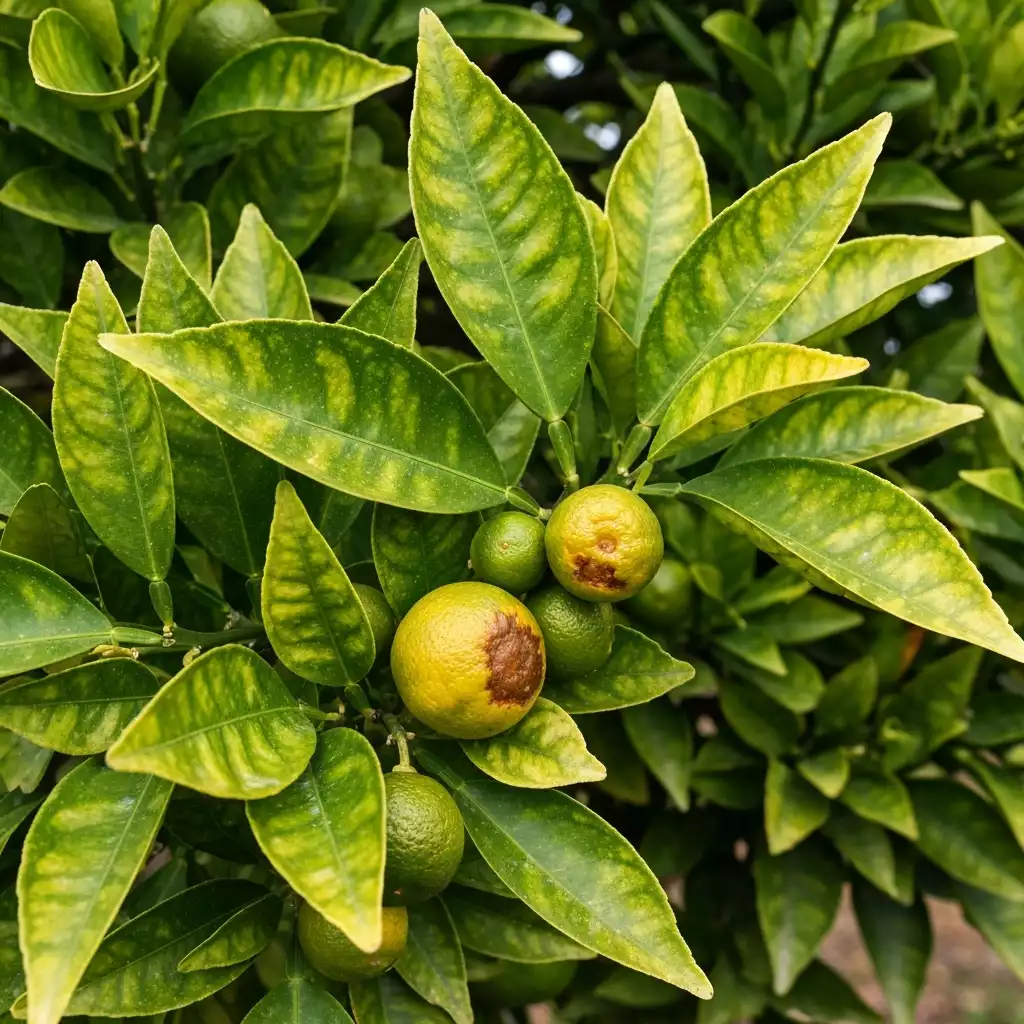
Impact of Citrus Greening Disease on Florida’s Citrus Industry
Overview of Citrus Greening and Its Effects
Citrus greening, also known as Huanglongbing (HLB), is a bacterial disease that affects citrus trees, causing fruit to become bitter and drop prematurely. This disease has become the most significant threat to Florida’s citrus industry, leading to severe production declines. As Alico assesses its future, it’s apparent that the broader implications of this disease must be addressed to secure any growth.
- Destroys fruit quality and marketability
- Reduces crop yields, affecting profitability
- Leads to increased production costs due to disease management
With these challenges, many growers have had to rethink their business models. The effects aren’t just economic; they ripple through communities dependent on citrus farming, highlighting the need for innovative solutions and strategies for recovery.
Declining Yields: A Historical Perspective
Historically, Florida has been a powerhouse in citrus production, but the onset of citrus greening has marked a significant downturn. Over the past decade, we’ve seen yields drop drastically, with many farms struggling to maintain operations. Alico is no exception; we’ve faced our share of challenges and have watched other growers exit the industry.
As we reflect on these declining yields, it’s clear that the traditional methods of citrus farming cannot sustain in the face of such adversity. This understanding has propelled us to explore new pathways, including real estate development, in order to adapt and thrive.
The Shift in Alico’s Business Strategy
Transition from Agribusiness to Real Estate Development
In response to the ongoing challenges, Alico has decided to pivot from agribusiness to real estate development. This transition is not just a change in focus; it’s a strategic move aimed at leveraging our land resources while supporting community growth. By moving into development, we aim to create sustainable communities and provide new economic opportunities.
- Utilizing our land for housing projects
- Creating jobs in construction and related sectors
- Enhancing local infrastructure and amenities
This new direction allows Alico to contribute positively to the local economy while reducing our dependency on a struggling industry. It’s about building a resilient future for both our business and the community.
Insights from Alico’s Leadership: Vision for the Future
As we embark on this new journey, our leadership team is keenly aware of the responsibilities that come with it. We are committed to engaging with community stakeholders and ensuring our developments not only fit the landscape but also meet the needs of local residents. My vision, as a part of Alico, is to create spaces that foster community connections while preserving our environment.
The transition from citrus farming to real estate development is filled with both challenges and opportunities. Our focus remains on building a sustainable future that aligns with community values and encourages a thriving local economy.
Exploring Crop Diversification Strategies Post-Citrus
While we have made the decision to exit citrus farming, the concept of crop diversification remains critical for our future strategy. We are actively researching alternative crops that can thrive in Florida’s climate and offer viable economic returns. This approach not only mitigates risks associated with disease but also enhances the ecological sustainability of our operations. With Alico posting results after its last major citrus harvest, the importance of these strategies is even more apparent.
- Identifying high-demand crops for local markets
- Integrating sustainable farming practices
- Exploring agro-tourism as a complementary venture
By embracing diversification, Alico aims to remain an active player in agriculture, while simultaneously adapting our business model to meet evolving market needs.
Pro Tip
Did you know? Embracing crop diversification can significantly enhance the resilience of your agricultural operations. By exploring alternative crops that are better suited for Florida’s climate, you can not only mitigate risks associated with diseases like citrus greening but also tap into emerging market demands. This proactive approach could pave the way for sustainable farming practices and a more robust agricultural future.
Looking Ahead: What Alico’s Move Means for the Future
As Alico transitions from its long-standing citrus operations to a focus on real estate development, the implications for the region are significant. This strategic shift opens up new avenues for growth and revitalization in Collier and Lee Counties, areas that have been evolving rapidly in response to changing economic landscapes. The future development opportunities are not just about *building homes*; they’re about enhancing community living and fostering sustainable practices.
With the development of Corkscrew Grove Villages, we see a promising model for future projects. This development holds the potential to redefine regional growth, emphasizing a harmonious balance between residential needs and the preservation of natural landscapes. Here’s what we can expect in terms of future development:
- Increased housing availability to meet population demands.
- Opportunities for mixed-use developments that integrate residential, commercial, and recreational spaces.
- Promotion of sustainable practices that enhance environmental conservation efforts.
These factors underscore the importance of long-term planning and strategic decision-making as we look ahead.

Long-term Regional Planning and Growth Prospects
In considering the future of Collier and Lee Counties, it’s crucial to look at the opportunities that lie ahead. Alico’s shift to real estate development reflects a broader trend in the region where strategic planning is essential for sustainable growth. This transition isn’t merely about changing land use; it involves a vision for how communities can thrive in the coming decades.
In this context, the counties can expect several key growth prospects:
- Enhanced infrastructure to support increased population density.
- Focus on creating walkable neighborhoods that promote community interaction.
- Integration of green spaces within residential areas for improved quality of life.
With these prospects, we can see how Alico’s vision aligns with broader regional goals of fostering sustainable development. The future looks promising if we successfully balance growth with the preservation of our environment!
Strategies for Balancing Growth and Sustainability
Finding the right balance between development and sustainability is vital as we move forward. Alico’s management is keen on implementing strategies that ensure growth does not come at the cost of our natural resources. Here are some strategies that can help:
- Incorporating green building practices in all new developments.
- Prioritizing *environmental assessments* before project initiation.
- Establishing partnerships with local conservation groups to protect vital ecosystems.
By focusing on these approaches, we can nurture a development model that supports economic growth while respecting our unique natural environment. It’s a shared responsibility that Alico is committed to!
Importance of Land Use Planning in Future Developments
Effective land use planning is fundamental to managing the complexities of growth in Collier and Lee Counties. As we embark on this new chapter, Alico’s leadership emphasizes that thoughtful planning will be crucial for the community’s future. Careful consideration in land use can lead to:
- Minimizing urban sprawl and protecting agricultural lands.
- Enhancing transportation networks to reduce congestion.
- Ensuring equitable access to amenities and resources for all residents.
As we navigate these developments, it’s clear that proactive land use planning will help shape vibrant, sustainable communities for the future. Alico looks forward to playing a pivotal role in this journey!
Get Involved and Stay Informed
It’s essential for community members to stay engaged with developments happening in their neighborhoods. Alico believes that involving residents in the planning process can lead to better outcomes. Here are some ways you can get involved:
How to Engage with Community Development Plans
There are numerous opportunities for community input and participation regarding Alico’s new projects. Whether you’re a resident or an interested stakeholder, your voice matters! Here’s how you can engage:
- Attend community meetings to learn about development plans and provide feedback.
- Participate in surveys and public forums that seek community opinions.
- Connect with local advocacy groups to voice your perspectives on sustainability.
By participating in these activities, you help ensure that the community’s needs and desires are reflected in development plans.
Resources for Ongoing Updates on Alico and Local Development
Staying informed is key to making your voice heard. Alico encourages residents to utilize available resources to keep up with ongoing developments. Here’s where you can find the latest updates:
- Visit Alico’s official website for news and project progress reports.
- Follow local news outlets covering community development and environmental issues.
- Join neighborhood forums and social media groups dedicated to local development.
These resources will help you remain engaged and informed about what’s happening in your community!
Highlighting Public-Private Partnerships for Community Growth
Alico recognizes the importance of collaboration between public and private sectors to drive community growth effectively. By fostering strong partnerships, we can leverage resources and expertise to create better solutions. Here are key areas where public-private partnerships can make a difference:
- Shared funding for infrastructure projects benefiting the community.
- Collaborative efforts in sustainability initiatives that enhance local ecosystems.
- Joint programs that provide education and training for local residents.
Through these partnerships, we can build a foundation for a thriving community that meets the needs of all its residents.
Frequently Asked Questions (FAQs)
- Q: Why did Alico decide to exit citrus operations?
- A: Alico’s decision was primarily driven by the pervasive citrus greening disease, which has severely impacted fruit quality, production levels, and the overall profitability of citrus farming in Florida.
- Q: What is Alico’s new strategic focus?
- A: Alico is strategically pivoting from agribusiness to real estate development, aiming to leverage its land resources to create sustainable communities and generate new economic opportunities in Collier and Lee Counties.
- Q: How does Alico plan to ensure sustainable development?
- A: Alico is committed to balancing growth with sustainability by incorporating green building practices, prioritizing environmental assessments, establishing partnerships with conservation groups, and emphasizing thoughtful land use planning.
- Q: What is crop diversification, and why is it important for Alico?
- A: Crop diversification involves exploring alternative crops that can thrive in Florida’s climate and offer viable economic returns. It’s crucial for Alico to mitigate risks associated with diseases like citrus greening and enhance the ecological sustainability of their operations.
- Q: How can community members get involved in Alico’s development plans?
- A: Community members can engage by attending community meetings, participating in surveys and public forums, and connecting with local advocacy groups. Alico encourages residents to utilize its official website and local news outlets for updates.
Recap of Key Points
Here is a quick recap of the important points discussed in the article:
- Alico’s decision to end citrus operations is primarily due to the devastating effects of citrus greening disease.
- The transition to real estate development aims to leverage land resources while fostering sustainable community growth.
- Crop diversification strategies are being explored to mitigate risks and enhance ecological sustainability.
- Community engagement is crucial for effective development planning and ensuring that local needs are met.
- Public-private partnerships are essential for driving community growth and sustainability initiatives.


