



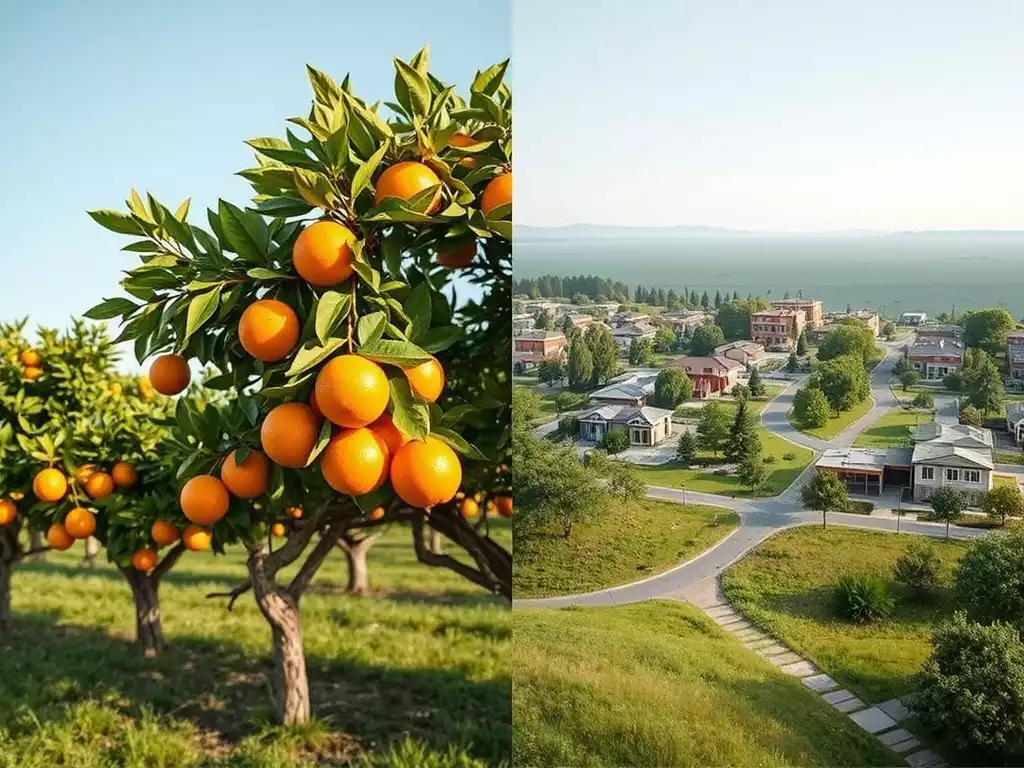
Alico Transitions from Citrus Operations
Click the play button above to listen to the article
As the citrus industry in Florida grapples with unprecedented challenges, Alico’s transition from citrus production to community development marks a pivotal moment. What lessons can we glean from this shift in focus?
What You Will Learn
- The impact of citrus greening disease and hurricanes on Florida’s citrus production.
- How shifting consumer preferences are reshaping the demand for traditional citrus products.
- The financial pressures and regulatory challenges leading to Alico’s decision to cease citrus operations.
- Alico’s vision for the future, focusing on sustainable community development and environmental stewardship.
- Ways for community members to engage and contribute to Alico’s development plans.
Alico’s Strategic Pivot: From Citrus to Real Estate
This visual illustrates the key drivers behind Alico’s decision to exit the citrus industry and their strategic shift towards real estate development.
Citrus Industry Challenges (Driving Forces)
- Citrus Greening Disease
- Frequent Hurricanes
- Shifting Consumer Preferences
Alico’s Strategic Shift (New Direction)
- Cessation of Citrus Operations
- Focus on Real Estate Development
- Building Inclusive Communities
Industry Trend Impacts (Market Realities)
- Market Saturation
- Increased Production Costs
- Stricter Regulatory Pressures
Future Vision & Engagement (Alico’s Path)
- Environmental Sustainability
- Community Engagement
- Smart Urban Design
Understanding Alico’s Shift: Ending Citrus Operations
The citrus industry in Florida has faced significant challenges over the last few decades, leading to a noticeable decline in production. Among the many factors, citrus greening disease has been one of the most destructive, impacting the quality and yield of citrus crops. Additionally, the series of hurricanes that have struck the state have devastated orchards, making it increasingly difficult for producers like Alico to maintain their foothold in the industry.
As a result, many citrus growers are reevaluating their operations. The financial and environmental strain has led to a broader conversation about the future of citrus production in Florida, a conversation that Alico is now part of as we navigate these turbulent waters.
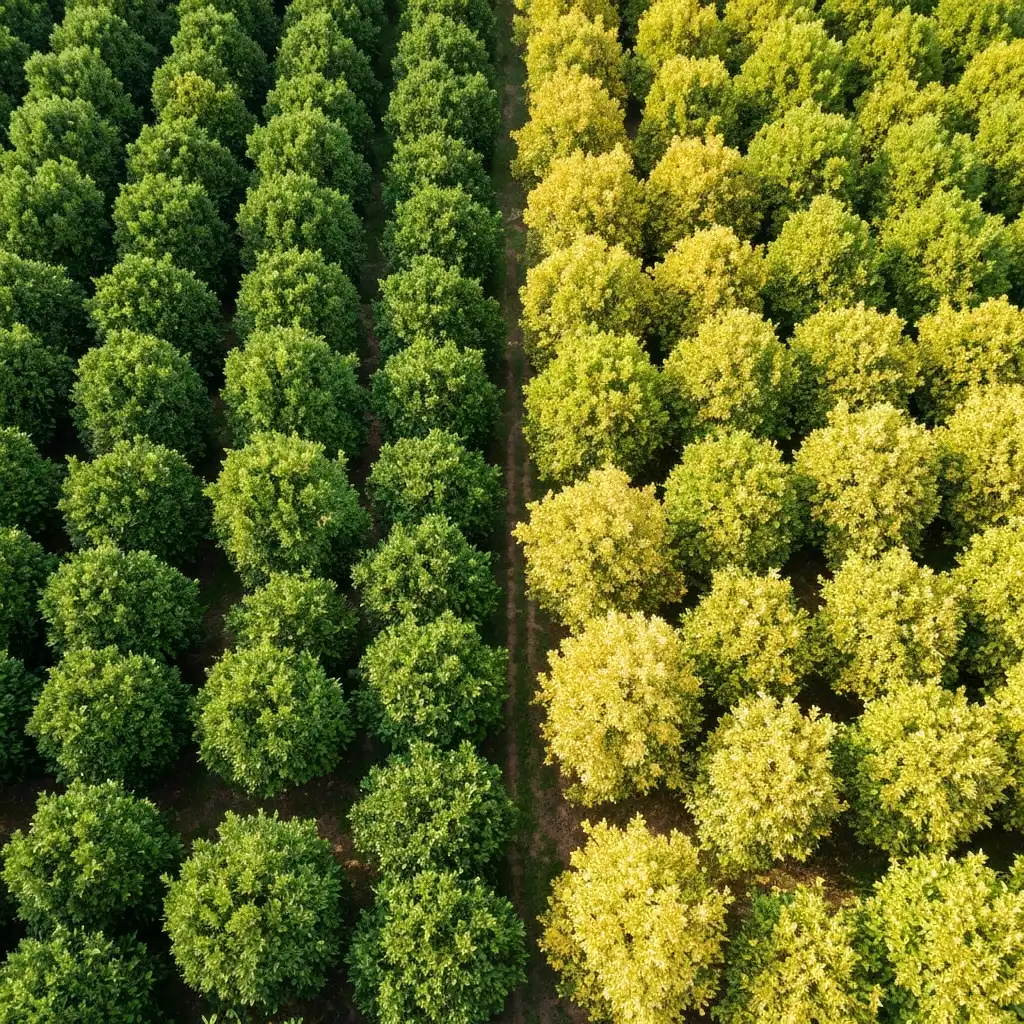
The Decline of Florida’s Citrus Industry
Over the years, Florida’s citrus industry has encountered numerous hurdles that contribute to its decline. The most notable challenges include:
- Citrus greening disease: This bacterial disease has severely affected citrus trees, leading to a drop in fruit quality and quantity.
- Hurricanes: Frequent storms have not only damaged trees but also disrupted the entire supply chain, creating economic uncertainty for growers.
- Shifting consumer preferences: As more consumers turn to alternative beverages, the demand for traditional citrus products has waned.
These factors have created a perfect storm for the citrus industry, forcing many companies, including Alico, to reassess their strategies and long-term viability.
Alico’s Long-Standing History in Citrus Production
Alico has a proud legacy in the citrus industry, with roots that run deep in Florida’s agricultural landscape. For decades, we have been committed to producing top-quality citrus products, but the recent challenges have tested our resilience.
Throughout our history, we’ve faced various obstacles—from changing market demands to environmental issues. Each challenge has shaped our approach and taught us valuable lessons. As we now shift our focus from citrus production, we reflect on how these experiences have prepared us for our next chapter in real estate development.
Citrus Industry Trends and Their Impact on Alico
Current trends in the citrus industry reveal a landscape that is rapidly evolving. The decline in traditional citrus farming has prompted many industry experts to predict a further contraction in production. This situation has directly influenced Alico’s decision to cease citrus operations, a move that was publicly announced as a strategic transformation of agricultural operations.
- Market saturation: With fewer consumers purchasing traditional citrus products, many growers are experiencing oversupply.
- Increased production costs: Rising costs associated with disease management and maintenance of citrus trees have made profitability challenging.
- Regulatory pressures: Stricter regulations regarding water usage and land management have also added to the operational burdens.
Recognizing these trends is crucial for understanding the rationale behind Alico’s shift. We believe that embracing new opportunities in real estate development will better position us for sustainable growth in the future, as reported by local news outlets.
Pro Tip
As Alico transitions away from citrus production, it’s essential to consider diversifying investments into sustainable practices. Exploring opportunities in green technology and eco-friendly developments can not only enhance profitability but also resonate with the growing consumer demand for environmentally responsible options.
Frequently Asked Questions About Alico’s Transition
Q: Why did Alico decide to stop citrus operations?
A: Alico ceased citrus operations primarily due to significant challenges in the Florida citrus industry, including the devastating impact of citrus greening disease, frequent hurricanes, shifting consumer preferences away from traditional citrus products, market saturation, increased production costs, and stricter regulatory pressures.
Q: What is citrus greening disease and how has it affected the industry?
A: Citrus greening disease is a bacterial disease that severely affects citrus trees, leading to a significant drop in fruit quality and quantity. It has been one of the most destructive factors contributing to the decline of Florida’s citrus industry.
Q: What is Alico’s new focus after ending citrus production?
A: Alico’s new focus is on real estate development, with a vision to create vibrant, sustainable communities in southwest Florida. This includes building inclusive communities, integrating green spaces, and implementing smart urban design.
Q: How can community members get involved in Alico’s new development plans?
A: Community members can contribute by participating in community forums and workshops, sharing feedback through online surveys, and engaging with Alico on social media platforms. Alico is committed to active dialogue with stakeholders to shape its future plans.
Q: What is Alico’s long-term vision for sustainable growth?
A: Alico’s long-term vision involves sustainable community development that prioritizes environmental stewardship and enhances the quality of life for residents. The company aims to build resilient communities that respect the natural beauty of Florida while promoting economic growth.
Looking Ahead: Alico’s Vision for the Future
As we step into this new era, Alico is dedicated to reshaping our vision following the cessation of our citrus operations. Our focus is now on creating vibrant communities that not only thrive economically but also prioritize environmental sustainability. We envision a future where our developments enhance the quality of life for residents while respecting the natural beauty of southwest Florida.
Key elements of our vision include:
- Building inclusive communities that cater to diverse lifestyles.
- Integrating green spaces and conservation areas within our developments.
- Implementing smart urban design that fosters connectivity and accessibility.
By aligning our goals with community needs, we aim to lay the groundwork for a prosperous future that emphasizes both community engagement and environmental stewardship.
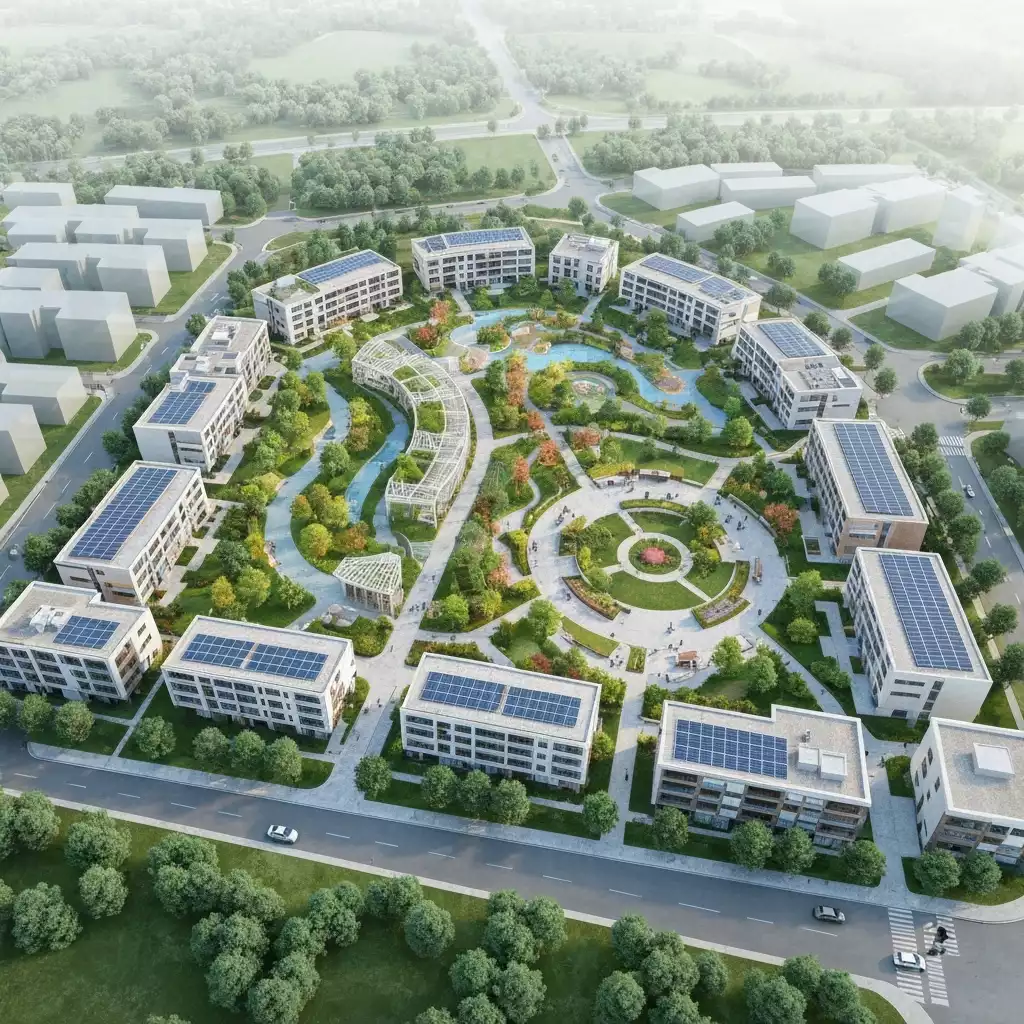
Community Feedback and Resilience Strategies
We believe that the success of our transition lies in active dialogue with community members and stakeholders. We invite everyone to share their thoughts on Alico’s new direction and the development plans unfolding in our region. Fostering resilience is more vital than ever, and your insights will help shape our strategies.
Here are a few ways you can contribute:
- Participate in community forums and workshops.
- Share feedback through our online surveys.
- Engage with us on social media platforms.
As we embark on this exciting journey, it’s essential that our community feels heard and valued in shaping the future. Together, we can build a resilient and sustainable environment for generations to come!
Conclusion: A New Chapter for Alico and Florida’s Landscape
Reflecting on our journey, Alico’s decision to pivot from citrus operations marks a significant chapter not just for our company but for the broader landscape of Florida. As we embrace community development, we remain committed to supporting agriculture and fostering growth in a manner that respects our environment and enhances community life.
Through collaboration and innovation, we are excited to redefine what it means to live and thrive in our beautiful state. The future holds endless possibilities, and we are proud to lead the way into this new era!
Recap of Key Points
Here is a quick recap of the important points discussed in the article:
- Citrus greening disease and hurricanes have significantly impacted Florida’s citrus industry, leading to declining production levels.
- Alico has a long history in citrus production but is now pivoting to focus on real estate development due to ongoing challenges.
- Current trends indicate market saturation and increased production costs, prompting Alico to cease citrus operations.
- Alico’s future vision includes building inclusive communities and prioritizing environmental sustainability within their developments.
- Community engagement and feedback are crucial for shaping Alico’s new direction and resilience strategies.


