



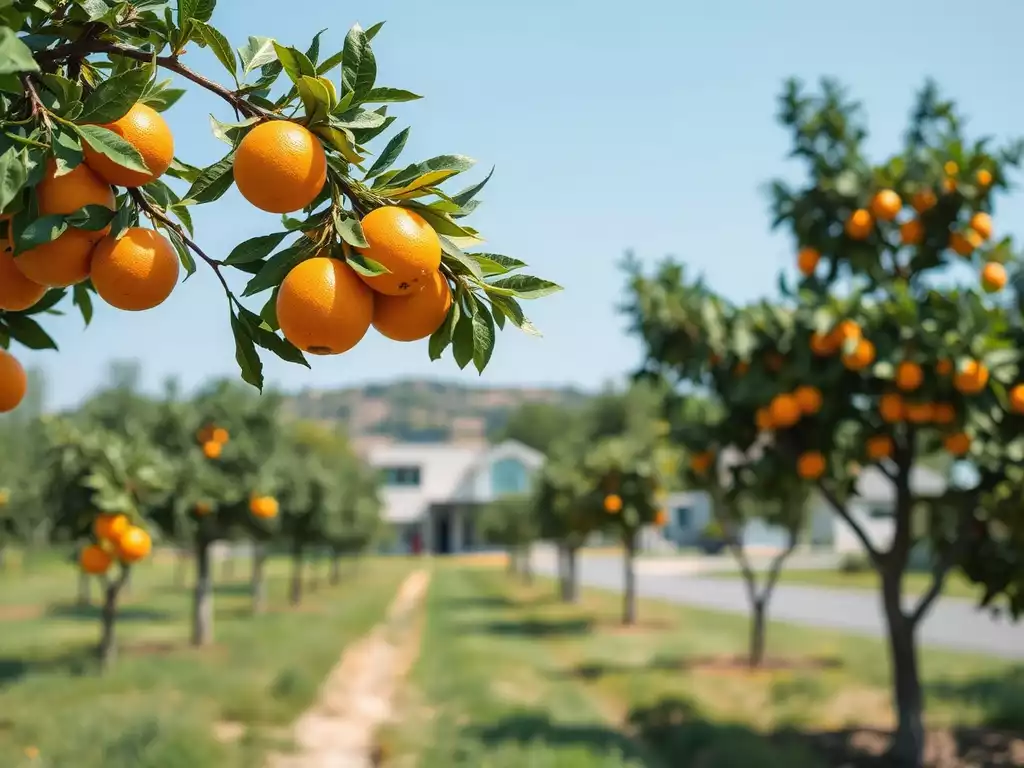
Alico’s Citrus Land Development Shift
Click the play button above to listen to the article
With the Florida real estate market booming, Alico’s bold shift from citrus production to residential development opens a new chapter in its operations. This significant transition not only addresses economic challenges but also emphasizes environmental responsibility.
What You Will Learn
- Alico’s strategic pivot to residential development is a response to declining citrus profitability and increasing operational costs.
- The Corkscrew Grove Villages project aims to create community-oriented living spaces with green areas and essential amenities.
- Florida’s growing population and low housing inventory are driving the demand for new residential developments.
- Alico is committing 6,000 acres for conservation, balancing development with environmental stewardship.
- Sustainable practices, like renewable energy and water conservation, are central to Alico’s new development strategy.
- Thorough environmental assessments will guide Alico in mitigating impacts from land use changes.
Alico’s Strategic Transition: From Citrus to Residential Development
Alico’s shift from agricultural roots to a new focus on residential and conservation efforts is driven by economic, market, and environmental factors, as illustrated below.
Economic & Market Drivers
- Declining citrus prices
- Increased operational costs
- Growing housing demand in Florida
- Low inventory levels
Residential Development Plans
- Corkscrew Grove Villages project
- Community-oriented design
- Inclusion of parks & natural areas
- Sustainable building practices
Environmental Commitments
- 6,000 acres for conservation
- Preserving native habitats
- Protecting water quality
- Sustainable land use practices
@media (min-width: 768px) {
#alico-transition-visual article {
flex-basis: calc(42% – 15px); /* 42% width – half gap */
max-width: calc(42% – 15px); /* Ensure 2 columns with space in between */
}
}
#alico-transition-visual article:hover {
transform: translateY(-5px);
}
Alico’s Strategic Transition: From Citrus Production to Residential Development
Alico’s decision to transition from citrus production to residential development marks a significant shift in its operational strategy. This change reflects the company’s response to economic challenges that have been mounting in the agricultural sector, as detailed in their strategic transformation announcement. Additionally, environmental considerations have played a crucial role in shaping this new direction. As we explore Alico’s journey, it’s essential to understand the various factors that led to this pivotal decision.
Understanding Alico’s Shift in Operations
The economic landscape for citrus farming has become increasingly challenging. With fluctuating market prices and the impacts of climate change, many citrus growers, including Alico, have faced tough decisions. Florida’s citrus grove land continues to dwindle, prompting companies like Alico to weigh the risks and pivot towards a more sustainable and profitable venture in residential development.
- Declining citrus prices affecting profitability
- Increased operational costs in agriculture
- Environmental factors such as water availability and soil health
- Growing demand for housing in Florida
These factors collectively influenced Alico’s strategy, highlighting the need to adapt to changing market conditions. By shifting focus, Alico aims to secure its future in a competitive landscape while also contributing positively to community growth.
Insights into Alico’s Development Plans
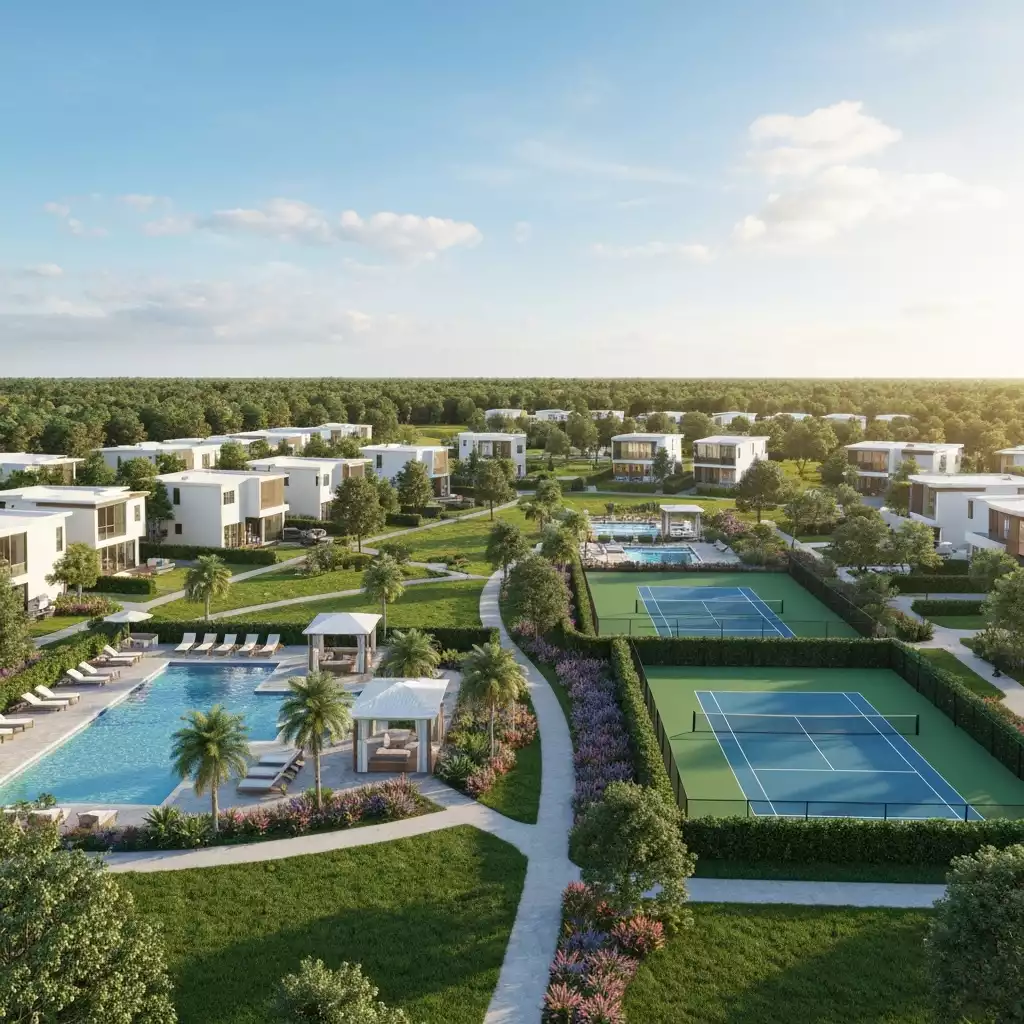
Alico’s ambitious Corkscrew Grove Villages project represents a key component of its new direction. This initiative is designed not just to develop residential spaces but to create vibrant communities that meet the needs of Florida’s growing population. The project aims to incorporate green spaces, recreational facilities, and essential amenities.
- Strategic location near existing infrastructure
- Focus on community-oriented design
- Inclusion of parks and natural areas
- Plans for sustainable building practices
This shift to residential development is not only about profit but also about crafting a living experience that enhances the quality of life for future residents. Through these plans, Alico hopes to foster a strong sense of community while creating a positive impact on the local economy.
The Role of Florida Real Estate Market Trends in Alico’s Decision
The Florida real estate market has shown resilient growth, fueled by a surge in population and demand for housing. Alico’s decision to transition to residential development aligns perfectly with these trends. By capitalizing on the growing demand, Alico aims to position itself as a leader in the housing sector.
- Increasing population driving housing needs
- Low inventory levels prompting new development
- Attractive investment opportunities in residential real estate
- Government incentives for housing development
By understanding these market dynamics, Alico is better equipped to make informed decisions that will benefit both the company and the surrounding communities. This strategic transition is a proactive step toward ensuring long-term success amidst evolving market conditions.
This video discusses Alico’s strategic transition, which includes diversifying its land use, but it does not specifically focus on residential development. If you need a video that directly addresses “Alico transitions citrus land to residential development,” you may need to search further or use a different video.
We Want to Hear From You!
What do you think about Alico’s transition from citrus production to residential development? Share your thoughts below:
Environmental Considerations in Alico’s Development Strategy
Alico is keen on ensuring that its transition to residential development is not just about growth but also about responsibility. One significant aspect of this transition is the focus on environmental considerations, particularly the commitment to set aside 6,000 acres for conservation. This area is crucial for protecting local wildlife and maintaining ecological balance.
By preserving this land, Alico aims to foster a sense of harmony between development and nature. This conservation effort is not only vital for biodiversity but also enhances the overall appeal of the new residential projects. People increasingly seek homes that are close to nature, and this initiative aligns perfectly with that demand!
Balancing Development with Conservation Efforts
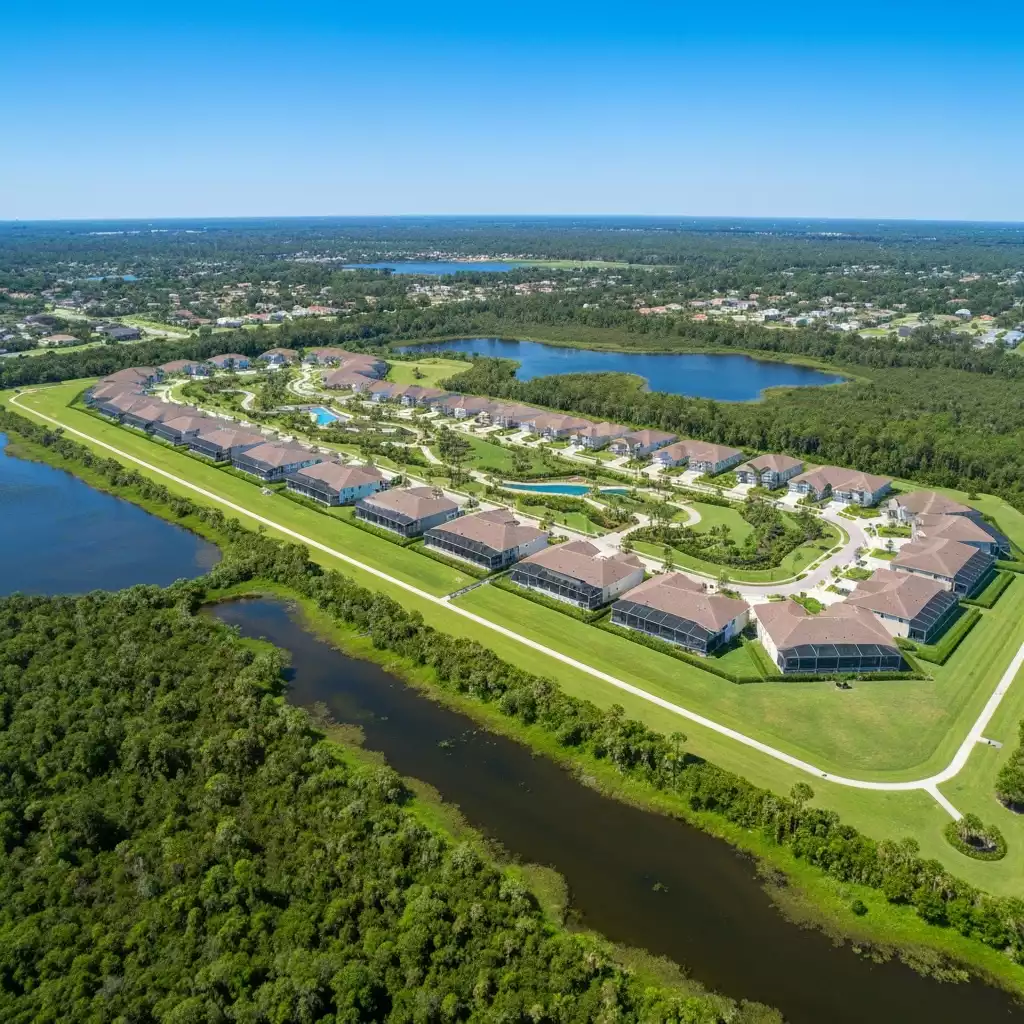
In planning the Corkscrew Grove Villages, Alico is working to strike a balance between development and conservation. The 6,000 acres earmarked for protection serve as a natural buffer, helping to maintain the area’s ecosystem while allowing for necessary growth. Their plans filed with Collier County explicitly detail these efforts for two villages as part of their development plans.
- Preserving native habitats
- Protecting water quality in local waterways
- Providing recreational spaces for the community
These efforts not only mitigate the impact of development on the environment but also add value to the residential properties by enhancing their surroundings. Alico recognizes that sustainability is a shared journey, and engaging the community in these conservation efforts is vital for long-term success.
The Role of Sustainable Practices in New Developments
Sustainable practices are at the forefront of Alico’s development strategy. Incorporating eco-friendly designs and materials will contribute to lower energy consumption and reduced environmental footprints. Some of the sustainable practices Alico plans to implement include:
- Using renewable energy sources, such as solar panels
- Implementing water conservation techniques, like rain gardens
- Enhancing green spaces with native plant landscaping
By prioritizing these practices, Alico not only meets regulatory requirements but also appeals to environmentally conscious buyers. The long-term benefits of sustainable development are clear: reduced operational costs and increased property values, aligning Alico’s growth with community interests.
Assessing the Environmental Impact of Land Use Change
Converting citrus land to residential use comes with its set of challenges and responsibilities. Alico is committed to conducting thorough environmental assessments to understand the implications of this land use change. These assessments will help identify potential negative effects on local ecosystems.
- Evaluating soil health and stability
- Monitoring wildlife displacement and habitat alteration
- Assessing impacts on local water resources
By proactively addressing these environmental concerns, Alico aims to implement mitigation strategies that safeguard the area’s natural resources. This thoughtful approach ensures that while we are building homes, we are also taking care of the land that nurtured our community for generations.
Frequently Asked Questions (FAQs)
Why is Alico transitioning from citrus production to residential development?
Alico’s transition is driven by a combination of economic challenges, including declining citrus prices and increased operational costs in agriculture, and the growing demand for housing in Florida. Environmental factors, such as water availability and soil health, also played a role in this strategic shift.
What is the Corkscrew Grove Villages project?
The Corkscrew Grove Villages project is Alico’s flagship residential development initiative. It aims to create community-oriented living spaces that include green areas, recreational facilities, and essential amenities, all designed to meet the needs of Florida’s growing population.
How does Florida’s real estate market influence Alico’s decision?
Florida’s real estate market is experiencing significant growth due to increasing population and low housing inventory. Alico is capitalizing on these trends to position itself as a key player in the housing sector, ensuring long-term success amidst evolving market conditions.
What are Alico’s environmental commitments in this transition?
Alico is committed to setting aside 6,000 acres for conservation to protect local wildlife and maintain ecological balance. This effort includes preserving native habitats, protecting water quality, and providing recreational spaces, all while incorporating sustainable building practices into new developments.
What sustainable practices will Alico implement in its new developments?
Alico plans to implement various sustainable practices, such as using renewable energy sources (e.g., solar panels), incorporating water conservation techniques (e.g., rain gardens), and enhancing green spaces with native plant landscaping. These practices aim to reduce environmental footprints and appeal to environmentally conscious buyers.
Recap of Key Points
Here is a quick recap of the important points discussed in the article:
- Alico transitioned from citrus production to residential development in response to economic challenges and environmental considerations.
- The Corkscrew Grove Villages project focuses on creating community-oriented residential spaces while incorporating green spaces and recreational facilities.
- Alico’s strategy aligns with Florida’s real estate market trends, driven by population growth and demand for housing.
- The company is committed to environmental responsibility, setting aside 6,000 acres for conservation to protect local wildlife.
- Sustainable practices, such as using renewable energy and water conservation techniques, are integral to Alico’s development approach.
- Thorough environmental assessments will guide Alico in mitigating the impacts of land use change on local ecosystems.


