



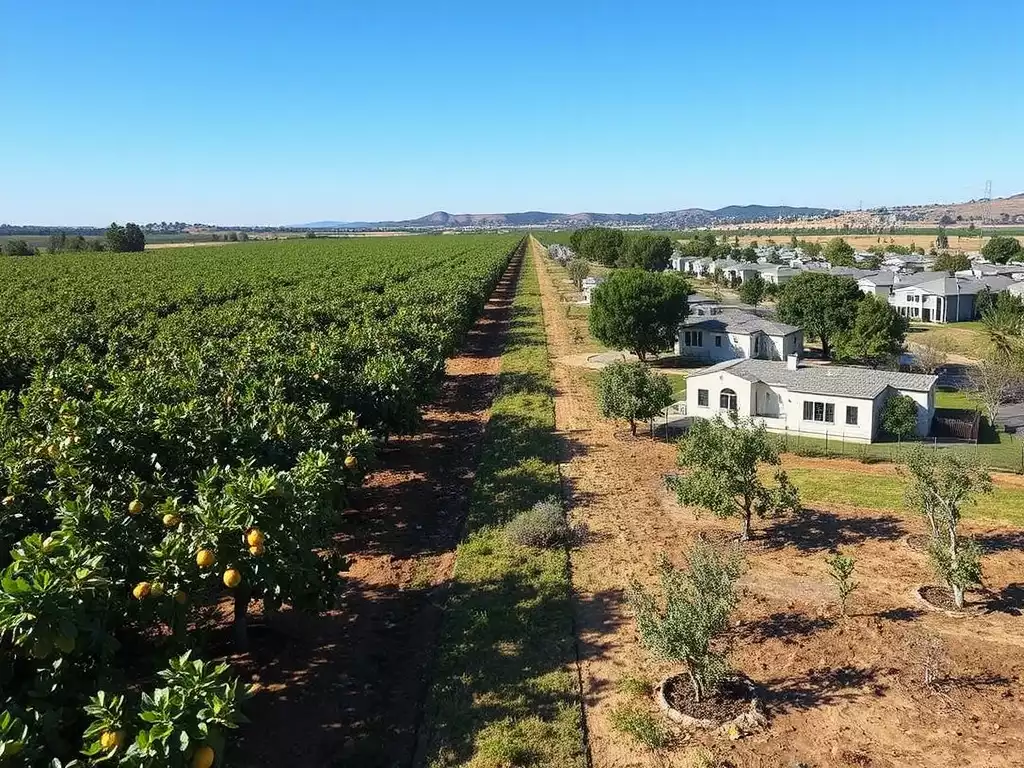
Alico’s Citrus Land Goes Residential
Click the play button above to listen to the article
As Alico transitions from its rich history in citrus production to residential development, we uncover the significant lessons learned along this path. This journey is driven by necessity and a commitment to community engagement and sustainability.
What You Will Learn
- The challenges faced by Alico, including citrus greening and hurricanes, prompting a shift in land use.
- The economic factors influencing the transition to residential development, including rising housing demand in Florida.
- The implications of agricultural land conversion, including legal considerations and community impact.
- The long-term benefits of development for Alico and local stakeholders, fostering job creation and economic resilience.
Alico’s Strategic Land Transition
Alico is undergoing a significant transformation from citrus farming to residential development. This visual highlights the key drivers and outcomes of this strategic shift.
From Citrus Land: Challenges
- •Citrus Greening Disease
- •Hurricane Devastation
- •Agricultural Viability Issues
To Residential Development: Drivers
- •Rising Housing Demand (FL)
- •Maximize Economic Returns
- •Economic Stimulation & Jobs
Implications & Benefits
- •Urban Development Trend
- •Enhanced Housing Options
- •Increased Tax Revenue
Commitment to Community
- •Adherence to Regulations
- •Community Feedback Integration
- •Transparent Progress Updates
/* Responsive adjustments for smaller screens */
@media (max-width: 768px) {
#alico-transition-visual article {
flex-basis: 100% !important;
max-width: 100% !important;
}
}
Understanding Alico’s Transition from Citrus Land to Residential Development
Alico has a rich history rooted in citrus production, but recent years have brought unexpected challenges. While our orchards once flourished, the rise of citrus greening disease and the devastation from hurricanes have made it increasingly difficult to maintain agricultural viability. This transition from our agricultural roots is not just a business decision, but a response to the changing landscape of Florida’s economy.
As these challenges mounted, we recognized the need to adapt. The impacts of climate change and disease have prompted many agricultural businesses, including Alico, to reevaluate their land use. As a result, we’ve begun to shift our focus from citrus farming to residential development, paving the way for a new chapter.
The Shift in Land Use: Alico’s Journey
Alico’s journey from citrus land to residential development is marked by significant events. Our storied legacy in citrus production, which has spanned decades, is facing an uphill battle against agricultural challenges. With citrus greening disease weakening our trees and hurricanes wreaking havoc, the viability of continuing in agriculture has become questionable. This has led us to explore other avenues for utilizing our land effectively.
Alico has officially filed plans for two new villages in Collier County, signaling a concrete step in this transition, as reported by WGCU. This move is a direct response to the agricultural viability issues mentioned above.
- History of citrus production in Alico
- Challenges from citrus greening disease
- Impact of hurricanes on agricultural operations
In light of these struggles, the decision to transition to residential development aligns with both market demand and the future potential of our land. It’s a decisive move that reflects our commitment to growth and sustainability.
Strategic Reasons Behind the Transition
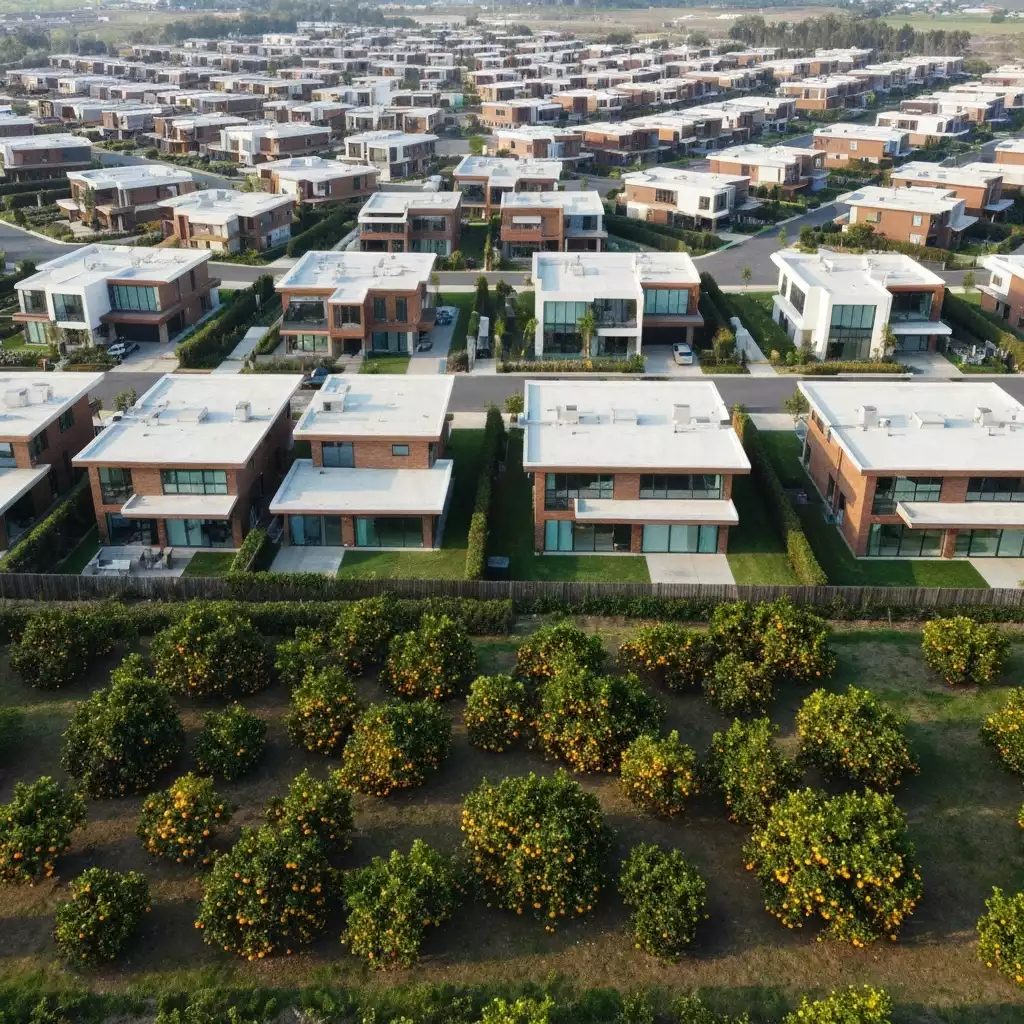
There are several compelling reasons driving Alico’s shift from agriculture to residential development. First and foremost, economic factors play a crucial role. As demand for housing continues to rise in Florida, especially in Collier County, it’s clear that our land can serve a higher purpose. By converting our citrus land, we aim to meet the housing needs of our growing community.
This strategic shift, which involves Alico transitioning from a citrus land firm to a developer, is a significant change aimed at maximizing economic returns, as highlighted by the Business Observer.
- Rising demand for residential housing
- Maximizing economic returns from land
- Long-term benefits for Alico and stakeholders
Additionally, this transformation isn’t just beneficial for Alico; it opens up opportunities for local stakeholders as well. With the development of new residential areas, we anticipate job creation and economic stimulation that will positively impact the entire region.
Implications of Agricultural Land Conversion
The trend of converting agricultural land is not unique to Alico; it’s seen throughout Florida. As urban sprawl continues to expand, agricultural land conversion is becoming a common practice. This shift reflects broader societal changes and needs. However, we must also consider the legal and policy implications that accompany such transformations.
Understanding the legal framework surrounding land use change is essential. We are committed to navigating these regulations carefully to ensure that our development aligns with both local policies and community standards. For instance, Alico’s announcement of development plans, detailed in Citrus Industry News, underscores the importance of adhering to these guidelines. Awareness of these guidelines helps us move forward responsibly while balancing development with ecological considerations.
- Overview of agricultural land conversion trends in Florida
- Legal considerations regarding land use
Through this transition, Alico is focused not just on our future, but on how we can positively contribute to the community and environment. This means engaging with stakeholders and adhering to regulations as we shape our next chapter.
Pro Tip
As Alico transitions from citrus farming to residential development, it’s essential to engage with local community initiatives. Staying connected with local organizations can provide insights into the needs and desires of residents, ensuring that development aligns with community values and fosters a sense of belonging.
Frequently Asked Questions about Alico’s Transition
Why is Alico transitioning from citrus farming to residential development?
Alico’s transition is driven by significant agricultural challenges, including citrus greening disease and hurricane devastation, which have made citrus production increasingly difficult and less viable. The shift also addresses the rising demand for housing in Florida and aims to maximize economic returns from its land holdings.
What are the main challenges Alico faced in citrus production?
The primary challenges included the widespread citrus greening disease, which severely impacts citrus trees, and frequent hurricane devastation, which caused significant damage to orchards and agricultural infrastructure.
What are the economic benefits of this transition?
The transition is expected to generate significant economic benefits, including meeting the high demand for residential housing in Florida, maximizing economic returns from Alico’s land, stimulating local economies through new development, and creating jobs for local stakeholders.
How will Alico ensure community engagement and sustainability during this development?
Alico is committed to adhering to all relevant regulations, integrating community feedback into its development plans, and providing transparent progress updates. The company aims to balance development with ecological considerations and contribute positively to the community and environment.
What are the legal implications of converting agricultural land for residential use?
Converting agricultural land involves navigating complex legal frameworks and policies related to land use change. Alico is committed to carefully adhering to these regulations and ensuring that its developments comply with local policies and community standards.
Concluding Thoughts on Alico’s Transition to Residential Development
As we reflect on Alico’s journey from citrus land to residential development, it’s clear that this transition holds significant implications not only for our company but also for the broader community. The shift marks a pivotal moment in our history, driven by both economic necessity and a vision for sustainable growth. This change isn’t just about changing land use; it represents an opportunity for revitalization and community building in Collier County.
The strategic move towards residential development positions Alico to better serve our stakeholders and meet the evolving needs of the community. By embracing a mixed-use approach, we aim to create a vibrant area that fosters connection among residents, supports local businesses, and contributes to the overall economic resilience of the region.
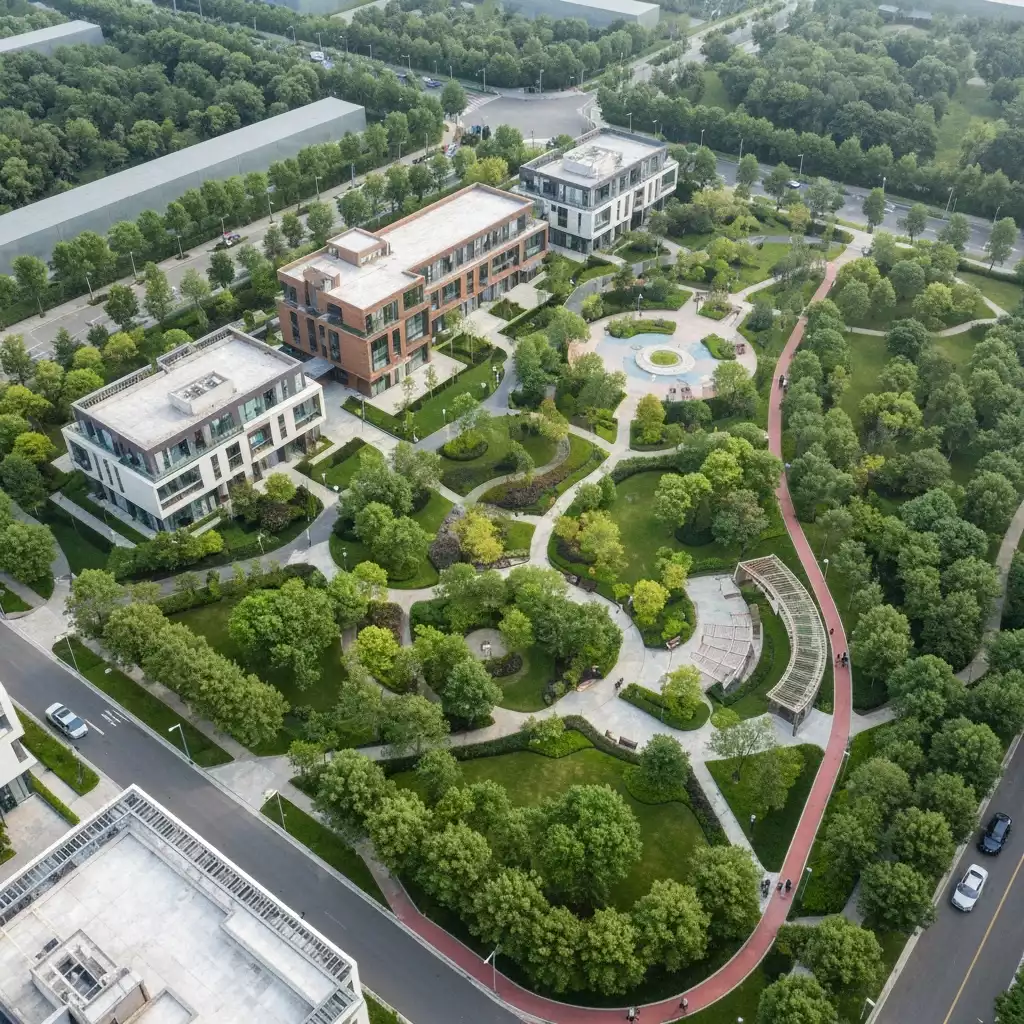
- Transformation of land use: Alico’s shift reflects a broader trend towards urban development.
- Community benefits: Enhanced housing options and amenities for residents.
- Long-term economic growth: Job creation and increased tax revenue for local services.
In summary, the transition from agriculture to residential development is not merely a shift in our business model but a commitment to fostering a thriving community. As we continue to navigate this exciting phase, we are dedicated to listening to community feedback and ensuring that our development aligns with the needs and desires of local residents.
Call to Action: Staying Informed on Development Progress
We encourage everyone to stay connected with the Corkscrew Grove development as it unfolds. Keeping informed about progress will help residents engage meaningfully in the changes happening in their community. We are committed to transparency throughout this process and want you to be part of our journey!
- Community meetings to discuss development updates.
- Detailed development plans available for review.
- Follow us online for the latest news and announcements.
By staying informed, you can ensure your voice is heard and that your needs are considered as we shape the future of Corkscrew Grove together. Thank you for being part of this exciting transition with Alico!
Recap of Key Points
Here is a quick recap of the important points discussed in the article:
- Alico’s transition from citrus production to residential development is a response to agricultural challenges.
- The shift is driven by rising demand for housing and the need for economic growth in Collier County.
- Understanding legal frameworks and community standards is crucial for responsible land use changes.
- The conversion of agricultural land reflects broader trends and presents opportunities for local stakeholders.
- Alico’s developments aim to enhance community connections and support local businesses.


