



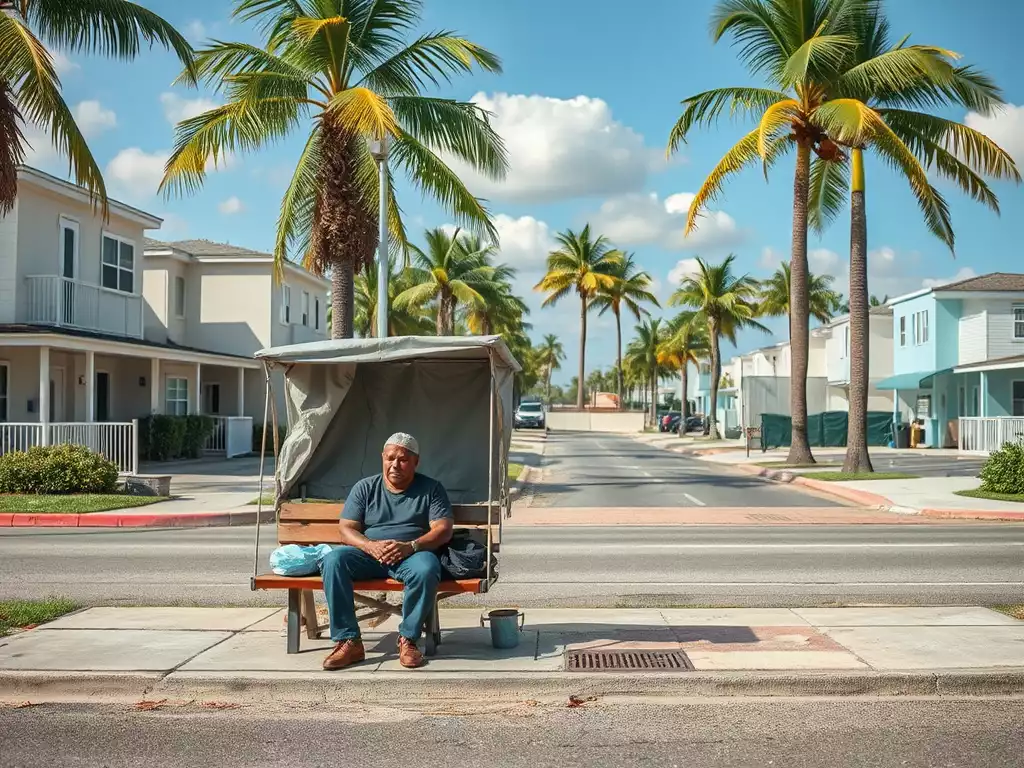
Fort Myers Housing and Homelessness Issues
Click the play button above to listen to the article
As we grapple with the rising issue of homelessness, consider this: approximately 450 individuals in Lee County are experiencing homelessness, and the numbers are on the rise, particularly among families. What can we do to address this urgent situation?
What You Will Learn
- Current statistics indicate that family homelessness in Fort Myers has increased by over 20% in the past year.
- Unaccompanied youth represent about 15% of the homeless population, highlighting a vulnerable demographic in need of support.
- Economic pressures, including job loss and the rising cost of living, are significant contributors to homelessness in the region.
- Community members can take actionable steps, such as volunteering, fundraising, and advocating for affordable housing policies.
- Government assistance programs play a crucial role in providing resources and financial support for those facing housing challenges.
Homelessness Trends in Fort Myers
Key statistics and contributing factors to the rise of homelessness in the region.
Key Statistics Overview
- Approx. 450 individuals homeless in Lee County
- Family homelessness up >20% in past year
- Unaccompanied youth are ~15% of homeless population
Economic Pressures
Job loss, insufficient wages, and the increasing cost of living contribute significantly to financial strain for families.
Affordable Housing Shortage
Many residents earn below 80% of the Area Median Income (AMI), making stable and affordable housing inaccessible.
Understanding the Rise of Homelessness in Fort Myers
The issue of homelessness in Fort Myers is a growing concern, impacting our community in profound ways. As we delve into this topic, it’s essential to understand the current landscape and the demographics most affected, including unaccompanied youth and families. By exploring the latest statistics and trends, we can start to grasp the magnitude of this complex problem.
Recent data shows that the number of homeless individuals has been on the rise, with the increase particularly notable among families who are struggling to find stable housing. According to local reports, Fort Myers has seen a significant uptick in homelessness rates, particularly among vulnerable groups. This is a wake-up call for all of us to take action to address these pressing issues.

Current Statistics and Trends in Homelessness
To better understand the situation, let’s look at some key statistics that paint a clearer picture of homelessness in Fort Myers:
- Approximately 450 individuals are experiencing homelessness in Lee County, as detailed in the Florida Council on Homelessness Annual Report.
- Family homelessness has increased by over 20% in the past year, reflecting broader trends in the region.
- Unaccompanied youth make up about 15% of the homeless population, a demographic highlighted by various health and demographic reports in Florida.
These numbers are alarming and indicate systemic issues that need to be addressed. It’s crucial for community members to stay informed and engaged with these statistics to foster awareness and support for local initiatives aimed at combating homelessness.
Factors Contributing to Increased Homelessness
Several factors contribute to the rise of homelessness in our region. Economic pressures play a significant role, with many families facing financial strain due to job loss or insufficient wages. The increasing cost of living in Fort Myers has exacerbated this issue, making it challenging for families to secure affordable housing.
Additionally, the lack of affordable housing options is a systemic problem that continues to grow. Many residents earn salaries below 80% of the Area Median Income (AMI), leaving them unable to afford rent. To address these challenges, we must work together to advocate for policy changes and increased support for affordable housing initiatives. Local organizations like St. Matthew’s House are actively working to address these issues in Fort Myers and Collier County.
Pro Tip
Did you know? Engaging with local policymakers can significantly impact homelessness initiatives in Fort Myers. By attending town hall meetings and advocating for affordable housing policies, you can help bring about the change our community desperately needs. Every voice counts!
Taking Action: What Can Be Done to Address These Challenges?
As we face the challenges of homelessness and housing affordability in Fort Myers, it’s crucial to understand that action is necessary. Our community can come together to make a difference, and there are numerous ways to support those in need. Let’s explore some effective strategies and resources that can help.
First, we need to ensure that residents in crisis have access to the right resources. Compiling a comprehensive directory of local shelters and assistance programs can guide those who find themselves without a place to stay. This directory can include vital contact information for services such as:
- Salvation Army Fort Myers
- Lee County Homeless Coalition
- Local food banks
- Emergency hotlines
Providing this information increases awareness and helps connect those in need with immediate support. In addition, raising awareness about local resources can empower community members to take action!

How Local Businesses and Organizations Can Get Involved
The power of community involvement cannot be understated! Local businesses, nonprofits, and individual residents all have a role to play in alleviating housing challenges. Here are some ways we can all contribute:
- Organize volunteering events at shelters or food banks.
- Host fundraising activities to support local housing organizations.
- Advocate for policies that promote affordable housing.
- Collaborate with other businesses to create community awareness campaigns.
By joining forces, we can amplify our impact and create lasting solutions to housing issues in Fort Myers. It’s about building relationships and fostering a sense of responsibility within our community!
Government Assistance Programs and Their Importance
Government assistance plays a critical role in supporting individuals and families facing housing challenges. Programs such as the Emergency Shelter Grants Program and the Community Development Block Grant Program are specifically designed to provide financial assistance and resources for those in need. These programs help:
- Fund emergency shelters and transitional housing.
- Provide support for rehabilitation of affordable housing.
- Offer rental assistance to low-income families.
Understanding the availability and significance of these programs can empower residents to seek help when they need it most. It’s essential that we keep these programs in the public eye and advocate for their continuation and enhancement!
Frequently Asked Questions About Homelessness in Fort Myers
- How many individuals are currently experiencing homelessness in Lee County?
- Approximately 450 individuals are experiencing homelessness in Lee County.
- What is the current trend in family homelessness in Fort Myers?
- Family homelessness has increased by over 20% in the past year in Fort Myers.
- What percentage of the homeless population consists of unaccompanied youth?
- Unaccompanied youth make up about 15% of the homeless population.
- What are the main factors contributing to the rise of homelessness in the region?
- Economic pressures, such as job loss and insufficient wages, combined with the increasing cost of living and a shortage of affordable housing, are the main contributing factors.
- How can community members help address homelessness?
- Community members can help by volunteering, organizing fundraising events, advocating for affordable housing policies, and raising awareness about local resources and assistance programs.
- What role do government assistance programs play in addressing homelessness?
- Government programs like the Emergency Shelter Grants Program and the Community Development Block Grant Program provide crucial financial assistance and resources for emergency shelters, transitional housing, affordable housing rehabilitation, and rental assistance for low-income families.
Recap of Key Points
Here is a quick recap of the important points discussed in the article:
- Homelessness in Fort Myers is on the rise, particularly affecting families and unaccompanied youth.
- Key statistics indicate approximately 450 homeless individuals in Lee County, with family homelessness increasing by over 20% in the past year.
- Economic pressures and the lack of affordable housing are primary factors contributing to homelessness in the area.
- Community involvement is essential; local businesses and organizations can organize events, fundraise, and advocate for affordable housing policies.
- Government assistance programs provide critical support, including funding for shelters and rental assistance for low-income families.


