



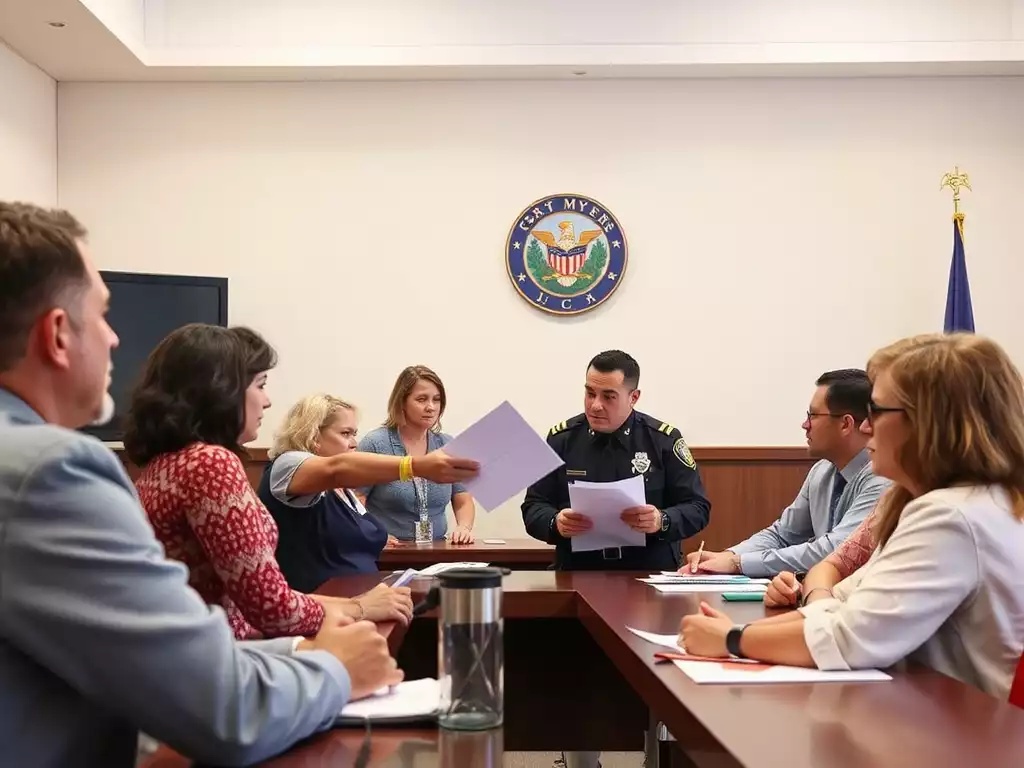
Fort Myers Police Train with ICE
Click the play button above to listen to the article
What if the decisions made by your local council had a direct impact on your community’s trust in law enforcement? The recent vote by the Fort Myers City Council on ICE training has raised questions about safety, immigration, and community relations.
What You Will Learn
- The decision to approve ICE training has increased tensions between immigrant communities and local law enforcement.
- Trust between police and residents may be compromised, affecting cooperation on public safety issues.
- Local advocacy groups now have an opportunity to push for more inclusive policies that respect human rights.
- Concerns about racial profiling may arise, prompting discussions on the need for education about immigrant rights.
- Collaboration among diverse community groups can amplify voices against unjust practices.
- Organizing community forums can help bridge gaps and facilitate discussions on policing and immigration.
- Establishing open channels for communication between residents and city officials can foster transparency.
- Community surveys can provide vital data to shape local policies and ensure all voices are represented.
Fort Myers City Council’s ICE Training Decision: A Process Flow
This diagram illustrates the key phases and influences behind the Fort Myers City Council’s decision regarding ICE training, from initial rejection to subsequent approval, highlighting the interplay between community concerns and state mandates.
Initial Rejection: Community Outcry & Concerns
- Public backlash against perceived federal overreach
- Concerns about community trust and safety
- Fear of fostering distrust with immigrant communities
Phase 1: Local Sentiment
Influencing Factors: State Pressure & Mandates
- State laws mandating cooperation with federal agencies
- Increased funding for immigration enforcement training
- Political pressure from state officials for compliance
Phase 2: External Directives
Council’s Shift: Balancing Act & Approval
- Navigating complex legal frameworks with limited local discretion
- Approval despite community concerns due to political pressures
- Mixed feelings among city officials (safety vs. trust)
Phase 3: Decision & Reversal
Key Implications: Community Impact
- Heightened tensions and potential for discrimination
- Compromised community trust with law enforcement
- Need for continued dialogue and advocacy
Phase 4: Aftermath
/* Responsive adjustments for smaller screens */
@media (max-width: 768px) {
#ice-training-decision-visual > section {
flex-basis: 100%;
max-width: 100%;
margin-top: 10px;
}
}
Understanding the Fort Myers City Council’s Decision on ICE Training
The recent decision by the Fort Myers City Council regarding ICE training has sparked significant discussion and debate within our community. Initially, the council rejected the proposal for local law enforcement to undergo ICE training, citing concerns from various community stakeholders. However, after further deliberation, they approved it, leading many to question the motivations behind this shift.
One of the pivotal factors that influenced this change was the increasing pressure from state-level mandates. Local councils often find themselves balancing community sentiment with state directives, creating a complex landscape for decision-making.
What Led to the Council’s Initial Rejection and Subsequent Approval?
When the Fort Myers City Council first voted against ICE training, it was largely due to public outcry from immigrant rights organizations and local citizens who feared it could foster distrust between law enforcement and immigrant communities. This initial rejection highlighted a significant divide in public opinion. However, as state-level pressures mounted, the council faced increased scrutiny to align with Florida’s law regarding immigration enforcement. As WUSF Public Media reported, the Fort Myers Council reversed course to allow ICE to train police officers.
- Public backlash against perceived overreach by federal authorities
- Concerns about community trust and safety
- State mandates emphasizing the need for law enforcement cooperation with ICE
Ultimately, these factors contributed to a reversal in the council’s stance. In light of political pressures, they approved the training, despite community concerns. This decision has left many residents wondering how their voices can be heard in such a process, and as WGCU News highlighted, the controversy over police ICE training could even cost the long-time Fort Myers City Attorney his job.
The Role of Florida State Law and Governor DeSantis in Local Immigration Policies
Florida’s immigration policies have a significant influence on local governance. Governor DeSantis has been vocal about his support for legislation that encourages local law enforcement to collaborate with ICE. This state-level push not only affects how local councils operate but also creates a ripple effect throughout communities.
- State laws mandating cooperation with federal agencies
- Increased funding for training programs focused on immigration enforcement
- Political pressure from state officials urging compliance
As a result, the Fort Myers City Council found itself navigating a challenging legal framework that left little room for local discretion. This interplay between state law and local policy highlights the complexities many city officials face when making decisions that impact their communities. As reported by Florida Politics, Fort Myers approved a police agreement with ICE days after shooting it down, underscoring the strong role of state pressure.
Insights from City Officials on the ICE Training Decision
City officials have expressed mixed feelings about the ICE training decision. While some see it as a necessary step toward enhanced public safety and compliance with state mandates, others recognize the potential for harm to relationships between law enforcement and immigrant communities. This split reflects the nuanced perspectives held by officials.
- Support for the training citing improved law enforcement capabilities
- Opposition based on community trust and safety concerns
- A call for more dialogue with community leaders before implementing such policies
As we proceed, it’s clear that ongoing conversations between city officials and community members are essential. Understanding the implications of this decision will require transparency and a commitment to addressing the community’s fears and concerns.
Pro Tip
To ensure your voice is heard in local governance, consider participating in community forums and discussions. Engage with your city council representatives, share your concerns, and advocate for policies that reflect the needs of your community. Grassroots movements can influence decision-making and shape local policies.
Summarizing the Implications of the Fort Myers City Council’s ICE Training Decision
As we reflect on the Fort Myers City Council’s recent decision regarding ICE training, it’s essential to understand the broader implications for both residents and immigrant communities. This decision is not just about training protocols; it showcases the ongoing struggle for balance between community safety and the rights of individuals. Let’s break down some of the key takeaways that emerge from this situation.
- Increased Tension: The decision has heightened tensions between immigrant communities and local law enforcement.
- Community Trust: Trust between police and residents may be compromised, affecting cooperation on public safety issues.
- Advocacy Opportunities: Local advocacy groups have an opportunity to push for more inclusive policies that respect human rights.
Each of these points is critical for understanding the ripple effects of the City Council’s choice. As someone who has engaged with the community, I know how vital it is to foster an environment where everyone feels safe and respected.
Key Takeaways for Residents and Immigrant Communities
For residents and immigrant communities, it’s important to grasp how this decision affects their daily lives. The key takeaways are multifaceted, touching on civil rights, community relations, and public safety.
- Potential for Discrimination: Concerns about racial profiling may arise as some feel targeted by law enforcement.
- Need for Education: Increased education about immigrant rights can empower residents to navigate these changes effectively.
- Unity in Advocacy: Collaboration among diverse community groups can amplify voices against unjust practices.
These takeaways highlight the necessity for continued engagement and open dialogue within our community. I believe that when we unite, we can take actionable steps toward ensuring that every voice is heard.
Encouraging Continued Dialogue on Immigration and Policing in Fort Myers
Encouraging dialogue is vital to address the concerns surrounding the ICE training decision. It’s not just about the immediate reactions, but also about laying a foundation for constructive conversations moving forward.
- Community Forums: Organizing community forums can help bridge gaps and facilitate discussions on policing and immigration.
- Open Channels: Establishing open channels for communication between residents and city officials can foster transparency.
- Feedback Mechanisms: Implementing feedback mechanisms allows residents to express their concerns and suggestions effectively.
I’ve seen firsthand how powerful community conversations can be. When we create spaces for dialogue, we not only build trust but also empower residents to advocate for themselves.
The Role of Community Surveys in Shaping Local Policy
Community surveys can be a powerful tool in shaping local policy, especially regarding contentious issues like ICE training. They provide vital data that reflects the sentiments of residents, helping to guide decision-making.
- Data-Driven Insights: Surveys can uncover trends and concerns that may not be visible otherwise.
- Inclusive Participation: Encouraging diverse participation in surveys ensures that all voices are represented.
- Policy Recommendations: Results can lead to actionable recommendations for local policymakers.
In my experience, utilizing surveys effectively can lead to more informed policies that resonate with community needs. By engaging residents in this way, we can create a more responsive and inclusive local government.
Frequently Asked Questions (FAQs)
- What was the Fort Myers City Council’s initial decision regarding ICE training?
- The Fort Myers City Council initially rejected the proposal for local law enforcement to undergo ICE training due to community concerns. However, they later approved it after further deliberation and state pressure.
- Why did the City Council reverse its decision on ICE training?
- The reversal was influenced by increasing pressure from state-level mandates and political pressure from state officials to align with Florida’s immigration enforcement laws.
- How do Florida state laws and Governor DeSantis influence local immigration policies?
- Florida state laws, often supported by Governor DeSantis, encourage local law enforcement to collaborate with ICE. This creates a legal framework and political pressure that limits local discretion on immigration policies.
- What are the main concerns of residents and immigrant communities regarding ICE training?
- Key concerns include heightened tensions between immigrant communities and law enforcement, potential racial profiling, and a breakdown of trust that could affect public safety cooperation.
- What can residents do to make their voices heard on local governance issues like this?
- Residents can participate in community forums, engage with city council representatives, share their concerns, advocate for inclusive policies, and participate in community surveys to help shape local policy.
Recap of Key Points
Here is a quick recap of the important points discussed in the article:
- Decision Dynamics: The Fort Myers City Council initially rejected ICE training due to community concerns but later approved it under state pressure.
- Community Trust: The decision may compromise trust between law enforcement and immigrant communities, affecting public safety cooperation.
- Advocacy Role: Local advocacy groups have a chance to promote inclusive policies that respect human rights amidst rising tensions.
- Importance of Dialogue: Continued conversation between city officials and residents is crucial for addressing fears and enhancing community relations.
- Surveys as Tools: Community surveys can provide insights and recommendations to inform local policy decisions effectively.


