



Fort Myers Shelter After Sleep Ban
Click the play button above to listen to the article
With the recent implementation of the Florida Public Sleeping Ban, our communities are facing new challenges and opportunities in addressing homelessness. The ban, aimed at enhancing public safety, has led to significant changes affecting vulnerable populations. Are we prepared to meet these challenges effectively?
What You Will Learn
- The Florida Public Sleeping Ban was enacted in 2021 to enhance public safety and cleanliness.
- Increased shelter demand in Fort Myers has stressed existing resources and facilities.
- Local government initiatives are in place to improve support services for homeless individuals.
- Community involvement is essential for creating lasting solutions to homelessness.
- Public awareness campaigns are key to changing perceptions and fostering community support.
Impact of Florida Public Sleeping Ban on Fort Myers Homeless Population and Solutions
The Florida Public Sleeping Ban, enacted in 2021, significantly impacted Fort Myers’ homeless population, leading to increased shelter usage and highlighting the need for comprehensive solutions. The visual below outlines key aspects and responses.
Understanding the Florida Public Sleeping Ban and Its Impacts
The Florida Public Sleeping Ban, implemented in 2021, was designed to address the issue of public sleeping by prohibiting individuals from resting in public spaces. This initiative aimed to create a cleaner and safer environment for residents and visitors alike. However, its implementation has sparked significant conversations about its effects on the homeless population in cities like Fort Myers.
As we dive into the details of the ban, it’s important to consider not just its intent but also the ripple effects it has had on our community. While the city aimed to enhance public safety, it’s clear that the repercussions have been far-reaching, especially for those who already face challenges.
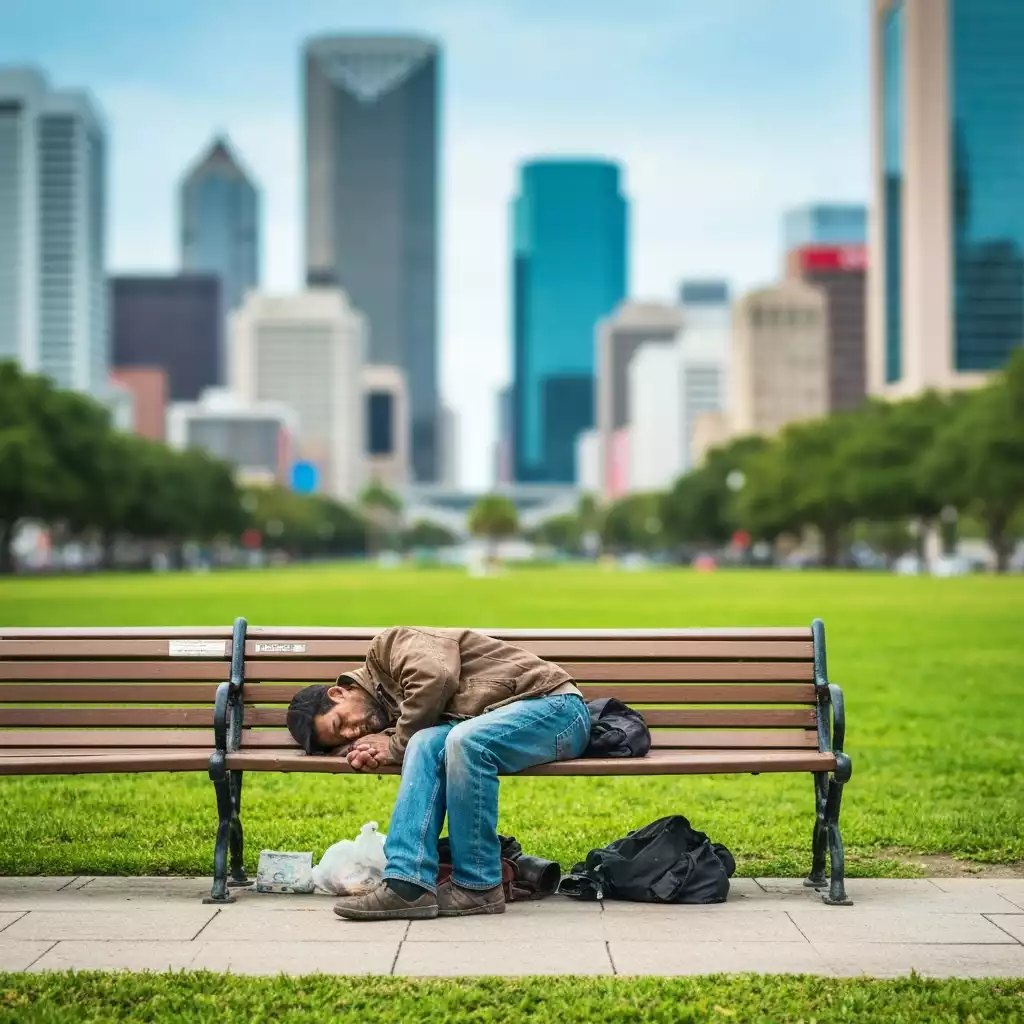
Overview of the Florida Public Sleeping Ban
The timeline of the Florida Public Sleeping Ban began with discussions around public welfare and safety, culminating in its formal enactment. The primary purpose of the ban was to mitigate the visibility of homelessness, which, while well-intentioned, raised concerns about where individuals without permanent shelter could seek refuge. For a deeper understanding of the law and its implications, you can refer to insights provided by WGCU Public Media on the new Florida law banning sleeping in public places.
- Enacted in 2021, reflecting ongoing concerns about public safety
- Aimed to reduce the visibility of homelessness in public spaces
- Intent to maintain cleanliness and order in urban areas
As the ban took effect, cities like Fort Myers faced immediate challenges in accommodating the homeless population. Understanding these complexities helps us grasp the broader implications of such policies.
The Immediate Effects on Fort Myers’ Homeless Population
In the wake of the ban, we saw a noticeable surge in the usage of local shelters. Many individuals who previously relied on public spaces for rest found themselves searching for alternatives. This spike in shelter demand has highlighted both the need for more resources and the challenges of accommodating everyone effectively. A report from Central Florida Public provides a detailed look at the ban’s impact six months later, shedding light on these immediate effects.
- Increased shelter usage, particularly during nighttime hours
- Challenges in meeting the needs of a growing homeless population
- Strain on existing facilities and resources
Yet, the influx doesn’t come without its difficulties. Shelters are experiencing strain, leading to overcrowding and increased stress on staff and resources. As we navigate these challenges, it’s vital to consider the human aspect behind the statistics and policies.
The Role of Local Government in Addressing Homelessness
Local government officials in Fort Myers, including the City Council, have stepped up to address the impacts of the Public Sleeping Ban. They’ve engaged in discussions to create more support services and improve shelter conditions, recognizing that merely enforcing a ban isn’t a complete solution. For example, FOX 4 Now reported on a Fort Myers shelter housing 288 people six months after the ban, illustrating the scale of the government’s response and the ongoing need for support.
- Implementation of programs to assist homeless individuals
- Increased funding for local shelters and outreach services
- Collaboration with non-profit organizations for comprehensive solutions
These efforts reflect a growing acknowledgment that addressing homelessness requires a multifaceted approach. The response from local government is crucial in shaping a supportive environment for our community’s most vulnerable members.
We Want to Hear From You!
What do you think about the Florida Public Sleeping Ban? Share your thoughts below:
Frequently Asked Questions About the Florida Public Sleeping Ban
What is the Florida Public Sleeping Ban?
The Florida Public Sleeping Ban, enacted in 2021, prohibits individuals from sleeping or resting in public spaces with the aim of enhancing public safety and cleanliness.
How has the ban impacted Fort Myers’ homeless population?
The ban has led to a significant increase in demand and usage of local shelters in Fort Myers, straining existing resources and facilities as individuals seek alternative places for rest.
What is the local government doing to address the impacts of the ban?
Local government in Fort Myers is implementing support programs, increasing funding for shelters and outreach services, and collaborating with non-profit organizations to provide comprehensive solutions for homeless individuals.
How can community members help address homelessness in Fort Myers?
Community members can get involved by participating in outreach events, donating to shelters and organizations, and advocating for policies that support affordable housing solutions.
What role do public awareness campaigns play in addressing homelessness?
Public awareness campaigns are crucial for educating the community, fostering empathy and understanding, and encouraging collaboration among residents and businesses to find lasting solutions to homelessness.
Reflecting on the Future of Homelessness Solutions in Fort Myers
As we look back on the effects of the public sleeping ban, it’s clear that the landscape of homelessness solutions in Fort Myers is undergoing significant changes. We’ve seen an increase in shelter usage, which has brought both challenges and opportunities for improvement. Understanding these impacts helps us identify areas where we can make a difference moving forward.
In particular, shelters are now operating at high capacity, accommodating many individuals who previously had no safe place to sleep. This is a crucial moment for us to reflect on how we can enhance our support systems for those in need.

Summarizing the Impact of the Public Sleeping Ban on Local Shelters
To recap, the public sleeping ban has led to increased demand for shelters throughout Fort Myers. This change has spurred a range of responses from local organizations and the community. Here are some key findings:
- Shelters are experiencing higher occupancy rates, putting a strain on resources.
- More individuals are seeking assistance, highlighting the urgent need for additional services.
- The ban has raised awareness about the complexities surrounding homelessness in our area.
These findings are essential for shaping future strategies that can better support our homeless population. It’s not just about providing shelter; it’s about creating a sustainable environment for everyone.
Encouraging Community Action and Ongoing Support for Homelessness
As we move forward, it’s vital for community members to step up and engage in local initiatives. Every small action counts and can significantly impact the lives of those experiencing homelessness. I invite you to consider how you can contribute, whether through volunteering, donations, or simply spreading awareness about the issues at hand.
Here are some ideas on how you can get involved:
- Participate in local cleanup or outreach events.
- Donate to shelters or organizations that work with the homeless.
- Advocate for policies that support affordable housing solutions.
Your involvement can help create a more compassionate community that actively seeks to uplift those in need. Together, we can foster change and make a lasting impact.
Public Awareness Campaigns and Their Role in Addressing Homelessness
Public awareness campaigns have become increasingly important in shaping how we view and address homelessness. These initiatives play a crucial role in educating the community and encouraging support for local solutions. By promoting understanding, they help dismantle stereotypes and misconceptions about homelessness.
Evaluating the effectiveness of these campaigns shows that they can:
- Increase participation in community support programs.
- Foster a sense of empathy and connection within the community.
- Encourage local businesses and residents to collaborate on solutions.
As someone involved in community outreach, I’ve seen firsthand how powerful these campaigns can be in uniting people toward a common cause. It’s essential that we continue to amplify these messages and work together toward a future where every individual has a place to call home.
Recap of Key Points
Here is a quick recap of the important points discussed in the article:
- The Florida Public Sleeping Ban, enacted in 2021, aimed to enhance public safety by reducing the visibility of homelessness.
- Increased demand for local shelters has resulted from the ban, highlighting the urgent need for additional resources and support services.
- Local government initiatives are crucial for addressing homelessness, focusing on shelter improvements and collaboration with non-profit organizations.
- Community involvement is essential; individuals can participate in local initiatives to support the homeless population.
- Public awareness campaigns play a significant role in educating the community and fostering empathy towards homelessness.


