



Revitalizing Downtown Fort Myers Projects
Click the play button above to listen to the article
As we look toward the future, the revitalization of Downtown Fort Myers stands as a shining example of community-driven development. With every initiative, residents play a crucial role in shaping the vibrant hub of tomorrow. Here’s what you’ll learn about this transformative journey.
What You Will Learn
- The historical context of downtown revitalization highlights the importance of community resilience and identity.
- Current and planned projects, including the River District and Gardners Park, are designed to enhance public spaces and community engagement.
- The role of the Fort Myers Redevelopment Agency is crucial in facilitating collaboration and ensuring community needs are met.
- Future initiatives aim to improve accessibility, public transportation, and green spaces, fostering a sustainable environment for residents.
- Active community involvement is essential; attending meetings and providing feedback can significantly influence redevelopment outcomes.
- Comparative insights reveal how Fort Myers prioritizes community engagement over solely economic interests in its redevelopment strategy.
Key Milestones in Downtown Fort Myers Redevelopment
The transformation of Downtown Fort Myers from the 1970s to today, highlighting key periods of decline, preservation, initiative growth, and current developments.
1970s: Era of Decline
Marked by a significant decline in both population and local businesses, leading to a fading urban core.
Historical Context
1980s: Preservation Efforts
Initial steps taken towards preserving historical sites and engaging the community in revitalization talks.
Community & Heritage
1990s: Revitalization Initiative
Formal launch of downtown revitalization initiatives, setting the stage for future growth.
Strategic Planning
2000s: Business & Culture Boom
Significant growth in new businesses and the emergence of vibrant cultural venues.
Economic & Cultural Growth
Today: Ongoing Initiatives
Current projects like River District, Gardners Park, and Midtown developments continue the transformation.
Modern Development
Future: Sustainable Growth
Focus on community involvement, enhanced infrastructure, and green spaces for long-term prosperity.
Vision for Tomorrow
@media (max-width: 768px) {
#redevelopment-visual-container article {
flex-basis: 100% !important;
max-width: 100% !important;
}
}
Understanding Downtown Fort Myers Redevelopment Projects
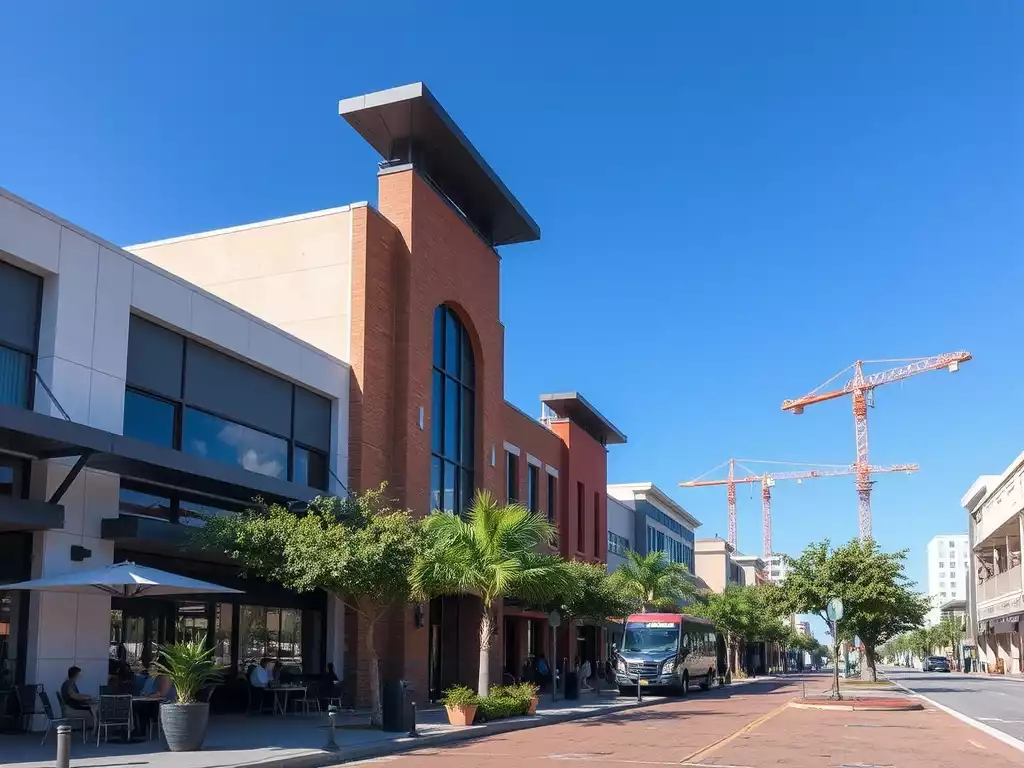
Downtown Fort Myers has undergone an incredible transformation since the 1970s. What was once a fading center is now evolving into a vibrant community hub. This change has not only revitalized the area but also fostered a sense of pride among residents and local businesses alike.
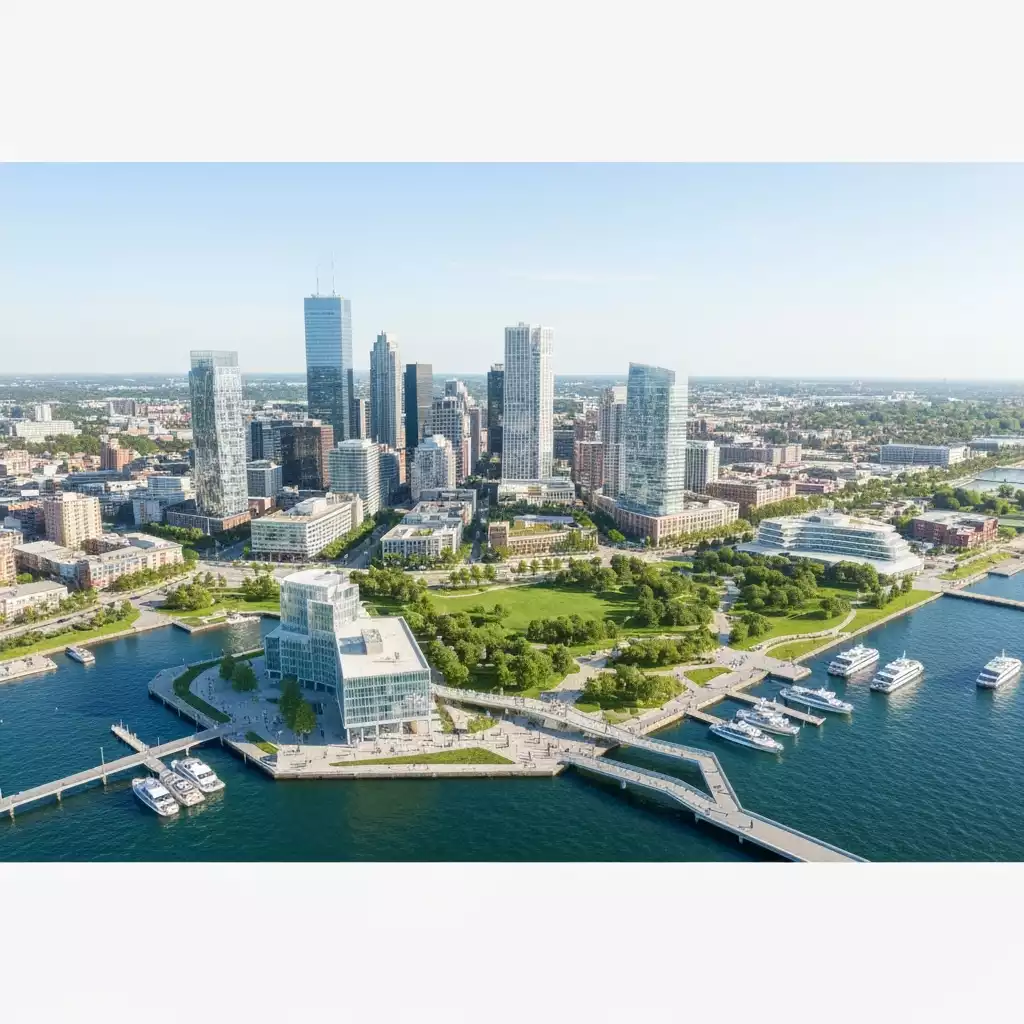
As we look back, the key changes that shaped our downtown are essential to understanding its current landscape. From the establishment of historic preservation efforts to the introduction of new businesses, the impact of these initiatives has been significant, paving the way for today’s redevelopment projects.
The Historical Context of Downtown Fort Myers
When we dive into the historical context, we see a rich tapestry woven with challenges and triumphs. The revitalization started in the late 20th century, where investments in infrastructure and community spaces began to shift perceptions. Landmarks such as the Fort Myers Historical Museum and the renovation of the River District played a pivotal role in attracting visitors and residents.
- 1970s: Decline in population and businesses
- 1980s: Initial preservation efforts and community engagement
- 1990s: Launch of the downtown revitalization initiative
- 2000s: Growth in new businesses and cultural venues
These milestones reflect the community’s resilience and willingness to adapt. They remind us that redevelopment is not just about construction; it’s about rebuilding our identity and enhancing our quality of life.
Current and Planned Redevelopment Initiatives
Fast forward to today, and we see a flurry of activity aimed at enhancing downtown’s appeal. Projects like the River District and Gardners Park are underway, promising to bring new life to our streets. Each project is a testament to our commitment to creating a welcoming and functional space for everyone.
- River District: Enhancements to waterfront access and commercial spaces
- Gardners Park: New recreational areas and community facilities
- Midtown: Mixed-use developments with residential and retail options
- West First Street Extensions: Improved walkability and connectivity
These initiatives aim to cater to a diverse range of needs, from housing to entertainment. It’s an exciting time for our community as we witness the bold steps being taken to shape the future of downtown Fort Myers.
The Role of the Fort Myers Redevelopment Agency
At the heart of these efforts is the Fort Myers Redevelopment Agency. This agency has been instrumental in driving these initiatives forward, securing funding, and fostering collaboration among stakeholders. Their work ensures that redevelopment aligns with our community’s vision and goals.
The impact of their initiatives is visible in the renewed enthusiasm for local businesses and cultural events. By engaging with residents, the agency has created a participatory approach that allows community feedback to shape the redevelopment agenda.
- Community workshops to gather input on projects
- Collaborations with local businesses for mutual benefit
- Funding opportunities for sustainable initiatives
Through their dedication, we are not just seeing changes in the landscape; we are experiencing a cultural renaissance that celebrates our unique heritage while looking forward to a promising future.
Pro Tip
To make the most of the ongoing redevelopment in Downtown Fort Myers, consider becoming an active participant in community forums. Not only does your voice contribute to shaping the future, but it also connects you with like-minded neighbors who share your passion for enhancing our city’s vibrancy.
Looking Ahead: The Future of Downtown Fort Myers
As we explore the ongoing evolution of Downtown Fort Myers, it’s clear that the future holds exciting possibilities! The efforts currently underway not only aim to enhance our community’s landscape but also significantly impact the local economy and quality of life.
The key takeaway from our discussion is the essential role of community involvement in these redevelopment projects. This evolution is not just about buildings; it’s about creating a vibrant community space where residents feel connected and engaged. We’re witnessing a transformation that promises to foster social interaction, improve infrastructure, and boost economic growth.
- Continued collaboration with local agencies and institutions
- Enhanced public transportation options for better accessibility
- Creation of more green spaces to improve quality of life
With these initiatives, we’re not only addressing the current needs of the community but also paving the way for a sustainable and prosperous future for all Fort Myers residents!
FAQs About Downtown Fort Myers Redevelopment
- What are the key milestones in Downtown Fort Myers’ redevelopment?
- The redevelopment journey includes key periods such as the decline in the 1970s, preservation efforts in the 1980s, the launch of revitalization initiatives in the 1990s, a business and culture boom in the 2000s, and ongoing projects today focused on sustainable growth.
- What are some current and planned redevelopment projects?
- Current and planned projects include enhancements to the River District, new recreational areas in Gardners Park, mixed-use developments in Midtown, and improved walkability and connectivity through West First Street Extensions.
- What is the role of the Fort Myers Redevelopment Agency?
- The Fort Myers Redevelopment Agency is crucial for driving initiatives, securing funding, fostering collaboration, and ensuring that redevelopment projects align with the community’s vision through participatory approaches and feedback mechanisms.
- How can residents get involved in the redevelopment efforts?
- Residents can actively participate by attending community meetings, providing feedback through surveys, and engaging with local leaders via social media to help shape the future of Downtown Fort Myers.
- How does Fort Myers’ redevelopment strategy compare to other cities?
- Fort Myers prioritizes community engagement and sustainable development over purely commercial interests, a distinctive approach compared to some other cities that might focus more on rapid, aggressive development strategies or tourism-driven projects.
Get Involved: Participate in the Ongoing Dialogue
Your voice matters in shaping the future of Downtown Fort Myers! I encourage you to actively participate in the redevelopment efforts by attending community meetings and engaging with local forums. This is an incredible opportunity to share your thoughts and needs regarding our city’s future.

Providing feedback through surveys is another way to make your opinion heard. Your insights can help guide decision-makers, ensuring that the redevelopment reflects the desires and aspirations of our community. Together, we can create a Downtown that not only meets our current needs but also anticipates future growth!
- Attend upcoming community meetings to voice your opinions
- Fill out surveys to share your thoughts on redevelopment plans
- Engage with local leaders through social media for real-time discussions
Let’s work together to ensure that Downtown Fort Myers remains a thriving hub for all residents! Your involvement is key to our collective success.
Comparative Insights: Fort Myers vs. Other Cities
When comparing Fort Myers’ redevelopment strategies to those of similar cities in Florida and beyond, it’s fascinating to see a range of approaches. Many cities share common goals like enhancing economic vitality and improving livability, but the methods can differ significantly.
For instance, while some cities focus heavily on tourism-driven projects, Fort Myers emphasizes community engagement and sustainable development as central pillars. This approach creates a unique opportunity for local residents to directly influence the nature of redevelopment.
- Fort Myers prioritizes community feedback over purely commercial interests
- Other cities may implement faster, more aggressive development strategies
- Focus on environmental sustainability sets Fort Myers apart from many peers
This comparative analysis not only highlights our city’s progress but also reminds us that there’s always room for learning and improvement. By observing and adapting, we can continue to develop a Downtown that reflects our community’s unique character and needs!
Examining Public-Private Partnerships in Urban Development
In Fort Myers, successful public-private partnerships have been pivotal in driving economic revitalization. These collaborations leverage the strengths of both sectors to create innovative solutions that benefit the community. For example, the Activate Midtown initiative exemplifies how partnerships between local businesses and government agencies can lead to the development of shared spaces and initiatives that enhance the urban environment. These collaborations not only fuel economic growth but also foster a sense of community ownership and pride.
- Joint ventures that stimulate local job creation
- Collaborative projects that address infrastructure needs
- Community events sponsored by local businesses and city officials
Engaging in these partnerships ensures a holistic approach to redevelopment, creating a Downtown Fort Myers that thrives economically while nurturing its community spirit. Let’s celebrate and support these efforts as they shape our city’s future!
Recap of Key Points
Here is a quick recap of the important points discussed in the article:
- Downtown Fort Myers has transformed from a declining area in the 1970s to a vibrant community hub.
- Key redevelopment projects include the River District and Gardners Park, enhancing both commercial and recreational spaces.
- The Fort Myers Redevelopment Agency plays a crucial role in driving initiatives and engaging the community for feedback.
- Community involvement is essential—not just for shaping redevelopment but also for fostering social connections and improving quality of life.
- Public-private partnerships have been pivotal in driving economic revitalization, ensuring projects benefit the community.


