



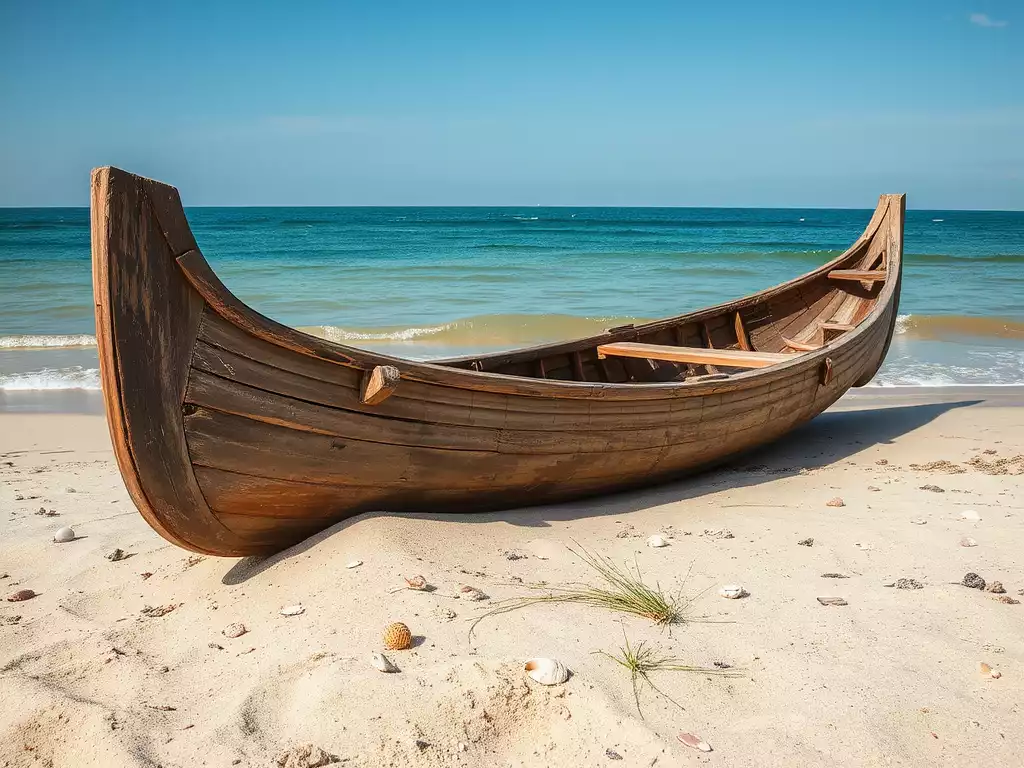
Ancient Canoe Found After Hurricane
Click the play button above to listen to the article
What can the discovery of an ancient canoe teach us about our community’s history? As Hurricane Ian reshaped the landscape of Fort Myers, it also unveiled hidden treasures that have sparked curiosity and engagement among residents and historians alike.
What You Will Learn
- Hurricane Ian’s aftermath revealed artifacts, highlighting how natural disasters can uncover hidden histories.
- Community involvement in archaeological discoveries fosters a deeper appreciation for local heritage.
- The canoe discovery opens avenues for future research on indigenous cultures and maritime traditions.
- Coastal erosion poses significant risks to archaeological sites, necessitating awareness and conservation efforts.
Impact of Hurricane Ian on Fort Myers Archaeology
Hurricane Ian’s aftermath reshaped the landscape, uncovering an ancient canoe and revealing opportunities for archaeological discovery and community engagement.
Discovery Context
- ✓ Hurricane Ian (Sept 2022) effects
- ✓ Strong currents & shifting sands
- ✓ Unearthed during cleanup efforts
Archaeological Opportunities
- ⚠ Increased site visibility (erosion)
- ⚠ Re-evaluation of historical narratives
- ⚠ Community engagement & preservation
Future Research Areas
- 🔍 Canoe construction techniques
- 🔍 Connections to regional trade routes
- 🔍 Environmental conditions of origin
Coastal Erosion Threats
- ⚠ Increased storm activity & shifting sands
- ⚠ Rising sea levels submerging sites
- ⚠ Human activity altering landscapes
Context of the Ancient Wooden Canoe Discovery in Fort Myers
In the wake of Hurricane Ian, a remarkable discovery emerged from the debris strewn across Fort Myers. The hurricane, which struck in late September 2022, unleashed powerful winds and heavy rainfall, altering landscapes and uncovering hidden treasures. Among these was an ancient wooden canoe, unearthed during cleanup efforts, that has captured the attention of archaeologists and local residents alike. Information about similar significant discoveries can be found at Florida Historical Society.
The conditions following Hurricane Ian played a significant role in the canoe’s discovery. The strong currents and shifting sands exposed artifacts that had long lain hidden beneath the surface. As clean-up crews and volunteers worked tirelessly to restore the area, the canoe was spotted, sparking excitement and curiosity about its origins and historical significance. The Smithsonian Magazine has highlighted how such finds, like a canoe found after Hurricane Irma, can date back centuries, providing invaluable historical context.
Hurricane Ian and Its Impact on Local Archaeology
The aftermath of Hurricane Ian reshaped not just the physical landscape of Fort Myers but also the archaeological narrative of the region. Many residents were engaged in clearing debris when they came across the canoe, a striking reminder of the past amid the chaos. The uncovering of this artifact highlights how natural disasters can sometimes reveal hidden histories, prompting discussions about preservation and local heritage.
- Increased visibility of archaeological sites due to erosion.
- Opportunities for local historians to re-evaluate historical narratives.
- Community engagement in preservation efforts and education.
Through this lens, Hurricane Ian not only challenged the community but also offered a unique opportunity to reconnect with its rich history. The excitement surrounding the canoe’s discovery has ignited discussions among local historians and archaeologists, each eager to explore what this ancient vessel can teach us about Fort Myers and its past.
The Story Behind the Discovery
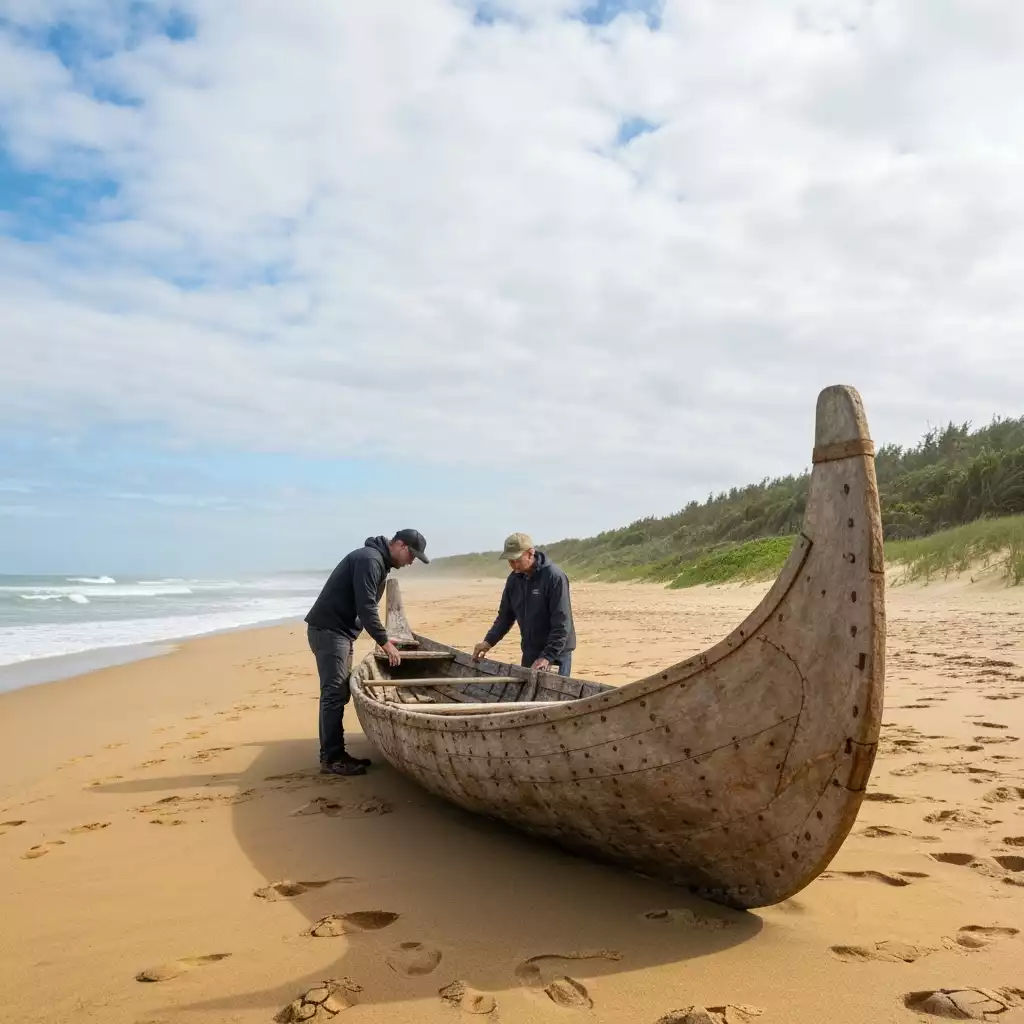
Meet John, a Fort Myers resident who plays a pivotal role in the canoe’s story. While helping with cleanup efforts, he stumbled upon the canoe, which stood out from the usual debris. His keen eye and interest in local history led him to report the find, bringing attention to this extraordinary piece of our past. John’s discovery is not just about an old canoe; it’s a testament to the community’s spirit and commitment to preserving its heritage.
The significance of this discovery extends beyond an interesting artifact; it represents a connection to the indigenous cultures and maritime traditions that have shaped our region. As John shared his experience, it became clear how such findings can foster a deeper appreciation for local history among residents and visitors alike.
Pro Tip
Did you know that engaging local schools in archaeological projects can significantly enhance students’ understanding of history? Consider volunteering to host workshops on canoe-building techniques, which can provide hands-on learning experiences and foster a deeper appreciation for Florida’s rich cultural heritage.
Summarizing the Significance of the Canoe Discovery
The discovery of the ancient wooden canoe has opened up numerous avenues for future research and community involvement. This remarkable find not only sheds light on Florida’s rich historical tapestry but also invites us, as locals, to explore our roots. Educational initiatives could flourish from this, emphasizing the canoe’s role in understanding indigenous cultures and maritime practices.
With the community’s enthusiasm, we can create programs that engage residents and tourists alike. For instance, workshops could be developed to teach canoe-building techniques, fostering a deeper appreciation for our local history. There are many potential areas for future research, including:
- Investigating the canoe’s construction techniques in relation to indigenous practices
- Exploring the connections between the canoe and regional trade routes
- Studying the environmental conditions during the time it was built
These research directions not only stimulate academic interest but also strengthen our community’s connection to its past. As we embrace this discovery, it becomes vital to incorporate educational programs that excite future generations about Florida’s archaeological heritage.
Frequently Asked Questions (FAQs)
- What caused the ancient canoe to be discovered?
- The ancient canoe was unearthed during cleanup efforts following Hurricane Ian in late September 2022, as strong currents and shifting sands exposed previously hidden artifacts.
- Who discovered the canoe?
- A Fort Myers resident named John, who was assisting with cleanup efforts, discovered the canoe and reported his find to authorities.
- What is the significance of this canoe discovery?
- The discovery sheds light on Florida’s rich historical tapestry, offering insights into indigenous cultures and maritime traditions. It also provides avenues for future archaeological research and educational initiatives.
- How old is the canoe?
- The article does not specify the exact age of the canoe found after Hurricane Ian, but similar discoveries in Florida have been dated to centuries ago, such as the one mentioned by Smithsonian Magazine that may date to the 1600s.
- What are the potential areas for future research related to the canoe?
- Future research can investigate the canoe’s construction techniques, its connections to regional trade routes, and the environmental conditions during its time of origin.
- What threats do archaeological sites in Florida face?
- Archaeological sites, including the canoe, are significantly threatened by coastal erosion, increased storm activity, rising sea levels, and human activity altering coastal landscapes.
- How can the community get involved in preserving archaeological heritage?
- Community involvement can include supporting conservation efforts, participating in educational programs, volunteering for workshops (e.g., canoe-building), attending community events showcasing archaeological finds, and developing partnerships with local schools.
Encouraging Ongoing Interest in Florida’s Archaeological Heritage
As we reflect on the discovery of the canoe, it is crucial to stress the importance of preserving archaeological artifacts. Each artifact tells a story, and protecting these pieces ensures that future generations can learn from them. Public support is essential in this endeavor; we must rally our community to back conservation efforts and further studies. The Florida Museum of Natural History provides valuable resources and research on preserving such significant artifacts.
By fostering an environment that values history, we can inspire others to take an interest in local archaeology. This can be achieved through various initiatives, such as:
- Hosting community events that showcase archaeological finds
- Creating informative signage around excavation sites
- Developing partnerships with local schools to enhance educational programs
As someone deeply invested in our community’s heritage, I believe these initiatives will not only promote awareness but also create a sense of pride in our shared history. Together, we can cultivate an appreciation for Florida’s archaeological treasures!
The Environmental Impact of Coastal Erosion on Archaeological Sites
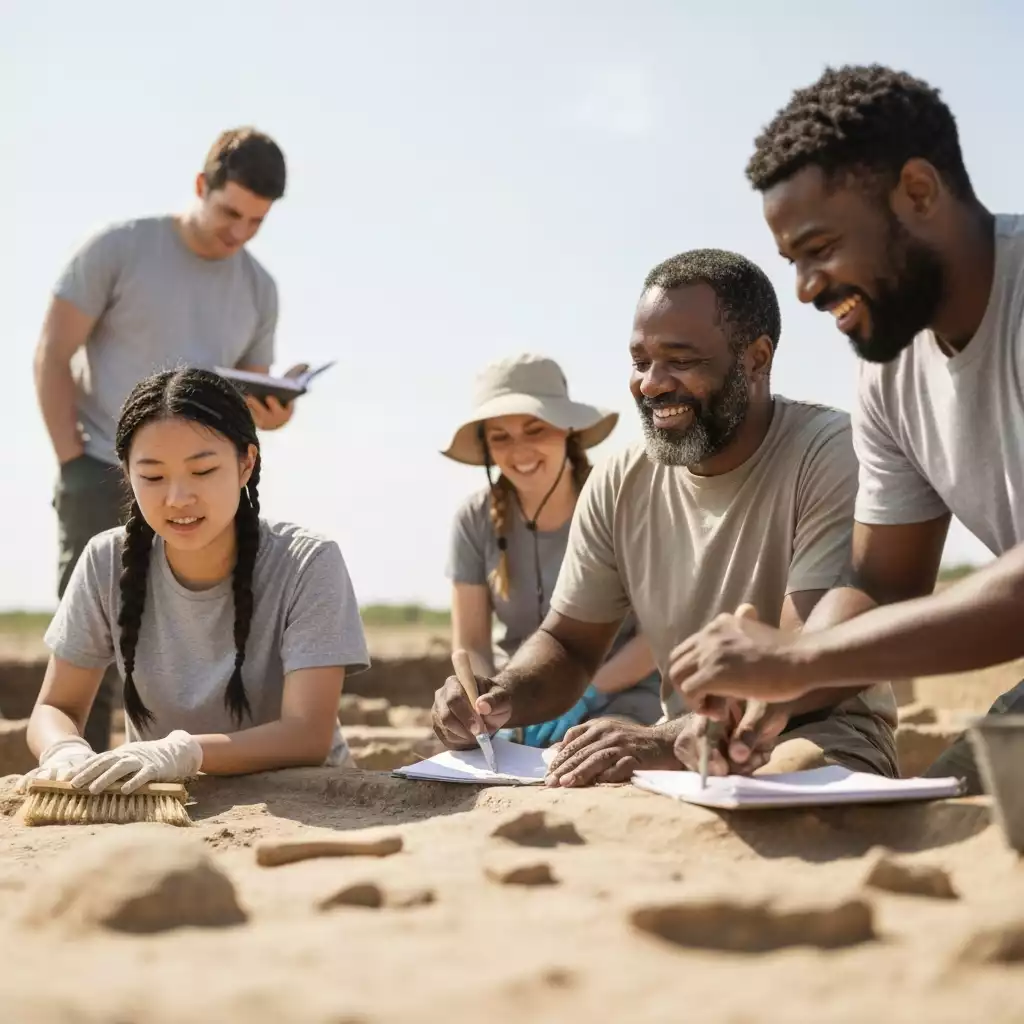
Coastal erosion presents a significant challenge for preserving archaeological sites in Florida. As the coastlines shift, numerous artifacts, including our beloved canoe, are at risk of being lost forever. Understanding how these environmental changes affect our heritage is vital for future conservation efforts.
Several factors contribute to the impact of coastal erosion on archaeological finds:
- Increased storm activity, leading to more frequent flooding
- Rising sea levels, which can submerge important sites
- Human activity that alters coastal landscapes
Addressing these issues requires a concerted effort from both the community and researchers. By raising awareness about the environmental threats facing archaeological sites, we can work together to develop effective conservation strategies that protect our history from disappearing beneath the waves.
Recap of Key Points
Here is a quick recap of the important points discussed in the article:
- The ancient wooden canoe was discovered in Fort Myers during cleanup after Hurricane Ian, highlighting the effects of natural disasters on archaeological finds.
- Community engagement played a crucial role in the canoe’s discovery, with local residents contributing to the preservation and appreciation of historical artifacts.
- Future research opportunities include exploring indigenous construction techniques, trade routes, and environmental conditions related to the canoe.
- Initiatives to promote awareness of Florida’s archaeological heritage can foster community pride and encourage educational programs.
- Coastal erosion poses a significant threat to archaeological sites, necessitating collaborative conservation efforts to protect these important artifacts.


