



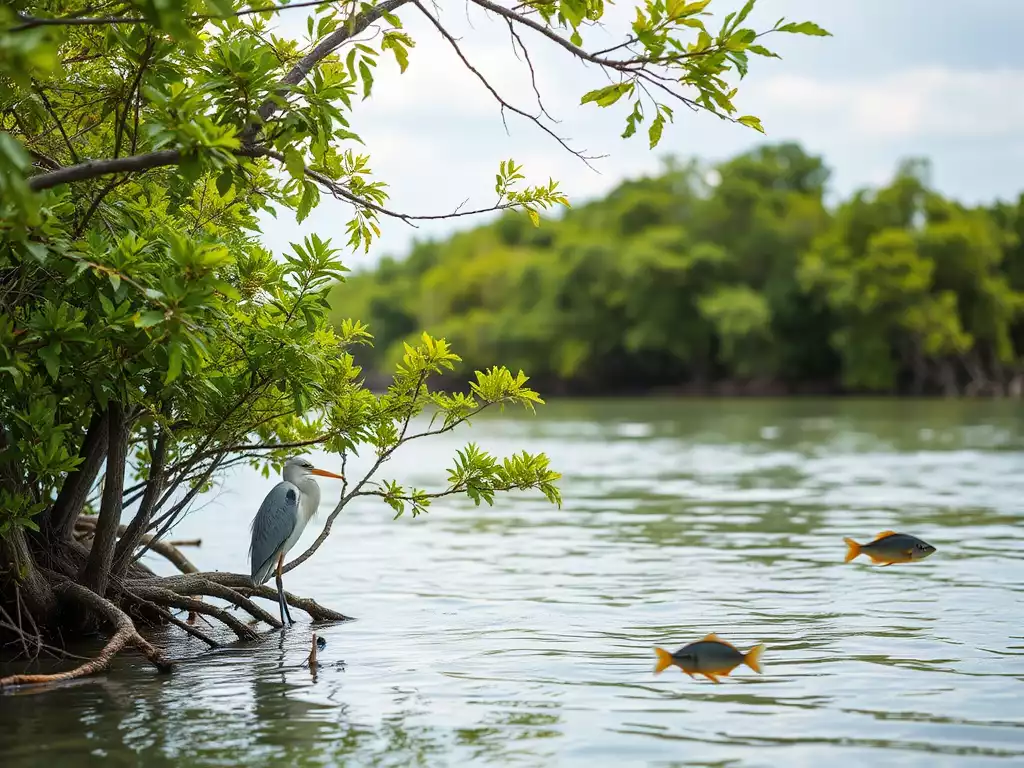
Storm Effects on Fort Myers Wildlife
Click the play button above to listen to the article
Research shows that storms can reshape not only landscapes but also the delicate balance of ecosystems. Understanding these changes is key to fostering resilience in our natural world.
What You Will Learn
- Storms lead to significant habitat destruction and wildlife displacement in Fort Myers.
- Coastal ecosystems like mangroves and wetlands are crucial for supporting biodiversity and mitigating storm impacts.
- Understanding storm surge effects is vital for enhancing ecosystem resilience and conservation efforts.
- Community involvement in conservation initiatives plays a key role in supporting wildlife recovery post-storm.
Key Storm Impacts on Fort Myers Ecosystems
Hurricanes significantly affect Fort Myers’ coastal ecosystems and wildlife. Below are the primary impacts on marine and terrestrial environments, highlighting key disruptions and vulnerabilities.
Coastal Ecosystem Challenges
- Coastal erosion: loss of beaches, dunes, wetlands
- Increased salinity disrupting life
- Destruction of mangrove forests
- Disruption of nesting/breeding grounds
Wildlife Displacement & Vulnerability
- Manatees seeking deeper waters
- Nesting birds losing breeding areas
- Varying species recovery rates
- Community aid for rehabilitation
Storm Surge & Habitat Disruption
- Wetland inundation & biodiversity loss
- Sedimentation smothering reefs/seagrass
- Long-term water quality changes
Community Action for Recovery
- Engage in local conservation programs
- Participate in educational workshops
- Support protective environmental policies
- Promote disaster preparedness plans
@media (max-width: 768px) {
#storm-impact-visual article {
flex-basis: 100%;
max-width: 100%;
margin-top: 10px; /* Ensure spacing when stacked */
}
#storm-impact-visual {
max-width: 95%; /* Adjust for smaller screens if needed */
}
}
@media (min-width: 769px) {
#storm-impact-visual article:nth-child(2n+1) {
margin-right: 0; /* Clear margin for 2-column layout */
}
}
Understanding the Storm Impact on Fort Myers Ecosystems and Wildlife
Storms, especially hurricanes, can have devastating effects on ecosystems and wildlife in Fort Myers. These powerful weather events disrupt not only the physical landscape but also the delicate balance of life within both marine and terrestrial environments. It’s crucial for us to understand these impacts as they shape the future of our local ecosystems.
From coastal erosion to habitat destruction, storms leave an indelible mark on our natural surroundings. By examining these effects, we can better appreciate the resilience of Fort Myers’ ecosystems and the importance of their recovery.
What Happens to Coastal Ecosystems During Hurricanes?
During hurricanes, coastal ecosystems face severe challenges. The immediate effects include coastal erosion, which removes sand and sediment that are vital for protecting shorelines. This erosion can result in the loss of beaches, dunes, and wetlands that serve as critical habitats for diverse wildlife.
- Increased salinity levels altering plant and animal life
- Destruction of mangrove forests that stabilize coastlines
- Disruption of nesting and breeding grounds for birds and marine life
The aftermath of a storm often reveals the full scale of habitat destruction, where the intricate web of life is significantly disrupted. Understanding these processes allows us to advocate for conservation efforts that can help mitigate future impacts. For instance, research published in Nature highlights how storms affect ecosystem structures and functions, providing valuable insights for future resilience strategies.
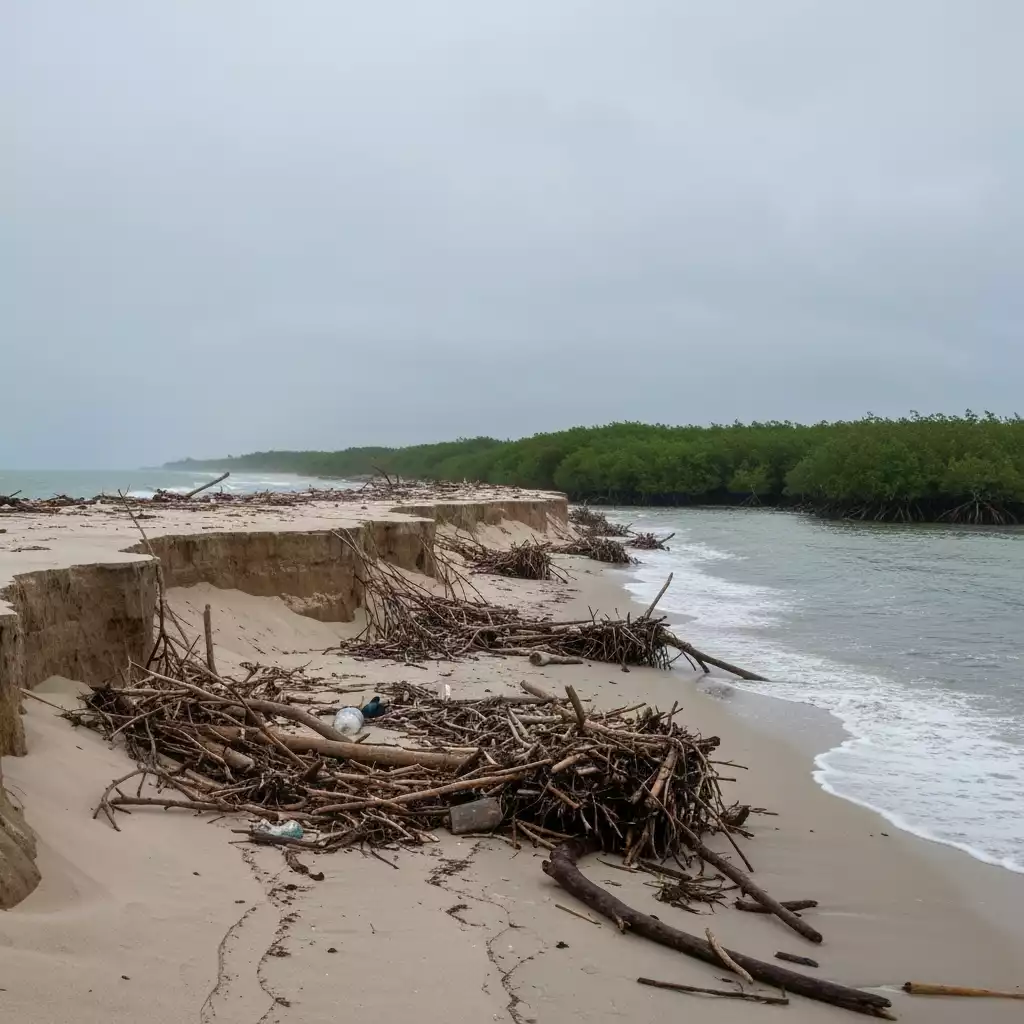
How Hurricanes Displace Wildlife in Fort Myers
Wildlife in Fort Myers is particularly vulnerable to displacement during hurricanes. Species like the Florida Manatee and various shorebirds face significant threats as their habitats are destroyed or altered by storm events. For example, manatees may be forced to seek refuge in deeper waters, while nesting birds lose their breeding grounds.
- Distinct patterns of movement following storm events
- Species recovery rates vary depending on habitat resilience
- Community efforts play a role in wildlife rehabilitation
This displacement can lead to increased stress on populations, making it crucial to implement strategies that support wildlife recovery in the aftermath of storms. As we learn more about these patterns, we can take informed steps to protect our local fauna. Insights from institutions like UConn show how researchers are assessing the aftermath of hurricanes like Ian, offering crucial data on wildlife displacement and recovery.
The Role of Storm Surge in Coastal Ecosystem Disruption
Storm surge is a significant factor contributing to the disruption of coastal habitats. This phenomenon occurs when strong winds push seawater towards the shore, resulting in flooding that can further erode coastlines and damage habitats. The effects of storm surge are often exacerbated in Fort Myers, where low-lying areas are particularly susceptible.
- Inundation of wetlands leading to loss of biodiversity
- Increased sedimentation that smothers coral reefs and seagrasses
- Long-term changes in water quality affecting marine life
Understanding the impact of storm surge is essential for conservation efforts. By recognizing how it contributes to habitat loss and fragmentation, we can work toward solutions that enhance ecosystem resilience in the face of climate variability.
Pro Tip
Did you know? Implementing native plant landscaping can significantly enhance local wildlife habitats and provide natural barriers against storm impacts. Native plants are adapted to the local climate and provide essential food and shelter for wildlife, thereby supporting ecosystem resilience during and after storm events.
Frequently Asked Questions About Storm Impacts on Fort Myers Ecosystems
Q: What are the main impacts of hurricanes on Fort Myers’ coastal ecosystems?
A: Hurricanes cause significant coastal erosion, leading to the loss of beaches, dunes, and wetlands. They also increase salinity levels, destroy mangrove forests, and disrupt critical nesting and breeding grounds for various species.
Q: How do hurricanes affect wildlife in Fort Myers?
A: Hurricanes displace wildlife by destroying or altering their habitats. Species like Florida Manatees may seek deeper waters, and nesting birds lose their breeding areas. This displacement increases stress on populations and requires concerted recovery efforts.
Q: What is storm surge and how does it impact coastal habitats?
A: Storm surge is the abnormal rise in water generated by a storm, which pushes seawater toward the shore. In Fort Myers, it causes widespread flooding, further eroding coastlines, inundating wetlands, increasing sedimentation that smothers reefs and seagrasses, and leading to long-term changes in water quality.
Q: What role do mangroves and wetlands play in mitigating storm impacts?
A: Mangroves and wetlands act as natural barriers, stabilizing coastlines, protecting inland areas from storm surge, and providing essential habitats for diverse species. They are crucial for supporting biodiversity and aiding in ecosystem recovery.
Q: How can the community contribute to ecosystem recovery after storms?
A: Community involvement is vital. Actions include engaging in local conservation programs, participating in educational workshops, supporting environmental policies, promoting disaster preparedness plans, and helping with wildlife rehabilitation efforts.
Summarizing the Effects of Storms on Fort Myers Ecosystems and Wildlife
In our exploration of the effects of storms on Fort Myers ecosystems and wildlife, several key points emerged. The immediate aftermath of hurricanes reveals significant challenges, including coastal erosion and the displacement of local wildlife. It’s crucial to recognize that while storms can devastate habitats, they also trigger remarkable resilience within these ecosystems.
We’ve seen how coastal ecosystems, such as mangroves and wetlands, play a vital role in mitigating storm impacts. These natural barriers not only protect inland areas but also support diverse species during recovery phases. Understanding these dynamics is essential for anyone invested in the long-term health of our local environment.
- Storms cause immediate habitat destruction and displacement of wildlife.
- Coastal ecosystems exhibit resilience through natural recovery processes.
- Mangroves and wetlands are critical in supporting local biodiversity.
In summary, our ecosystems have a remarkable ability to rebound from the devastation caused by storms. However, this recovery requires our active participation and ongoing conservation efforts. For more detailed information on conservation and wildlife management, resources like the Wildlife Management Institute offer valuable insights into supporting wildlife recovery post-storm. We must be aware of the challenges our local wildlife faces and work together to ensure their survival.
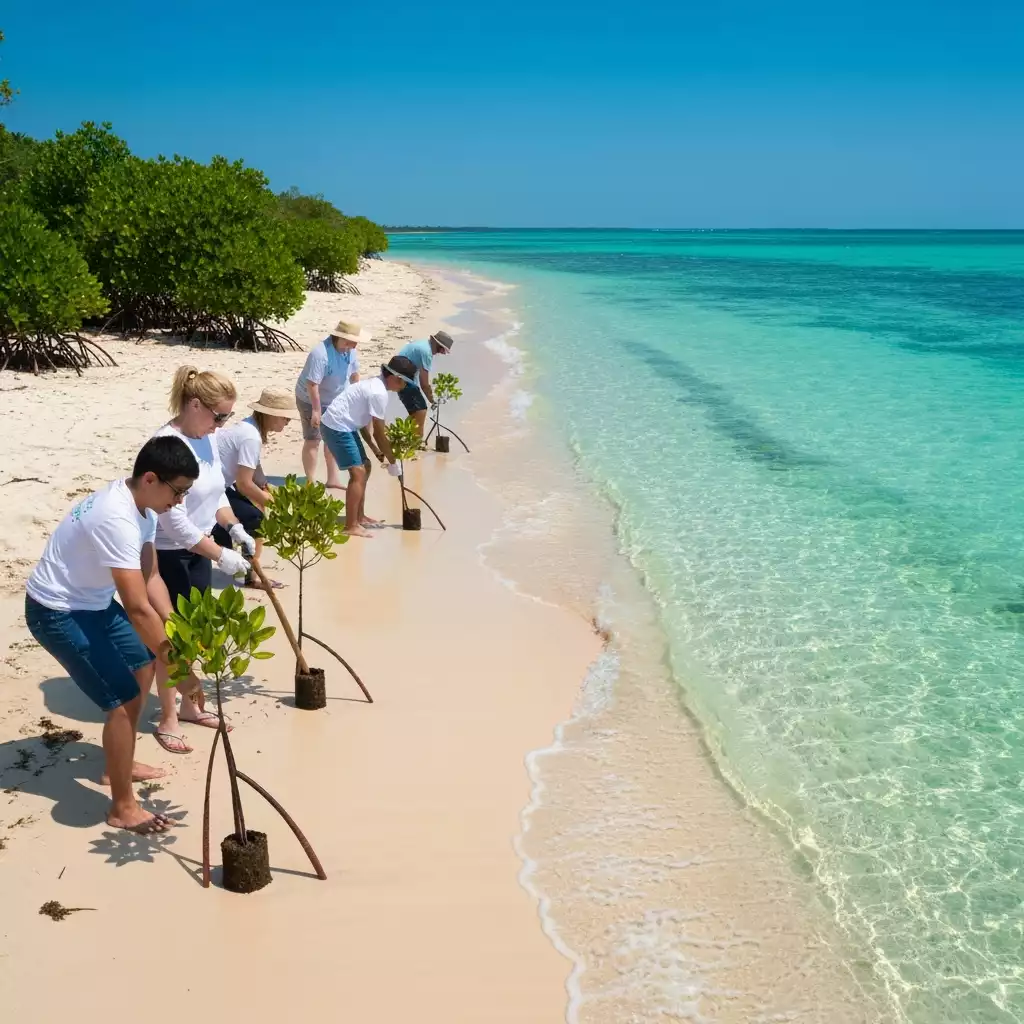
Taking Action for a Sustainable Future
As we reflect on the resilience of our ecosystems, it’s clear that community involvement is vital for a sustainable future. By supporting local conservation efforts, we can help protect not only the wildlife that calls Fort Myers home but also the habitats that sustain them. Engaging with initiatives can make a significant difference!
Everyone has a role to play in ecosystem recovery. Whether it’s participating in beach clean-ups, advocating for environmental policies, or simply educating ourselves and others about local wildlife, every action counts. Together, we can create a stronger, more resilient environment for future generations.
- Engage in local conservation programs and initiatives.
- Participate in educational workshops on wildlife and habitat preservation.
- Support policies that protect natural habitats and biodiversity.
By taking these steps, we can ensure that Fort Myers remains a vibrant home for our unique ecosystems and wildlife. Let’s come together as a community and make a positive impact on our environment!
Community Awareness and Disaster Preparedness for Wildlife Conservation
Public awareness and preparedness are crucial elements in the fight for wildlife conservation, especially in the face of natural disasters. Initiatives aimed at educating our community on the importance of biodiversity can significantly enhance our collective response when storms strike.
It’s vital that we promote disaster preparedness plans that prioritize wildlife conservation. This includes understanding how to protect local habitats and ensuring that emergency response strategies take into account the needs of our ecosystems.
- Host community workshops on disaster preparedness and wildlife safety.
- Encourage local schools to include environmental education in their curricula.
- Develop materials that inform residents about local species and conservation best practices.
By fostering a culture of awareness, we empower ourselves and our neighbors to act decisively during emergencies. Every bit of knowledge shared can lead to a more resilient Fort Myers, where both people and wildlife thrive together.
Recap of Key Points
Here is a quick recap of the important points discussed in the article:
- Storms lead to immediate habitat destruction and significant displacement of wildlife.
- Coastal ecosystems, such as mangroves and wetlands, demonstrate resilience and play a vital role in recovery.
- Community involvement is essential for supporting conservation efforts and ensuring the survival of local wildlife.
- Public awareness and disaster preparedness are crucial for wildlife conservation, enhancing our response to natural disasters.
- Engaging in local conservation initiatives can help protect habitats and biodiversity in Fort Myers.


