



Lee County’s Coastal Resilience Efforts
Click the play button above to listen to the article
Coastal resilience isn’t just a buzzword—it’s a necessity for communities facing the threats of climate change. In Lee County, we stand at a pivotal moment where our actions today will determine the health of our environment and the safety of our residents tomorrow.
What You Will Learn
- Community engagement is crucial for effective conservation projects.
- Natural solutions, such as protecting mangroves and wetlands, offer essential flood defenses.
- Collaboration with organizations boosts the effectiveness of conservation strategies.
- Raising awareness about coastal issues is vital for fostering community action.
Coastal Resilience in Lee County: Challenges & Solutions
This visual highlights the critical aspects of coastal resilience in Lee County, focusing on key challenges, the role of local government, and how community involvement strengthens conservation efforts.
Key Challenges: Storm Surge & Sea Level Rise
- • Increased hurricane frequency & intensity
- • Long-term impacts on low-lying areas
- • Need for updated flood-resistant infrastructure
Board of County Commissioners’ Role
- • Developing climate action plans
- • Funding conservation projects
- • Engaging community in planning
Key Takeaways from Conservation Efforts
- • Community engagement is vital
- • Natural solutions (mangroves, wetlands) work
- • Collaboration multiplies impact
- • Education promotes awareness
How You Can Support Initiatives
- • Participate in local volunteer events
- • Become a member of local organizations
- • Advocate for sustainable practices
- • Educate friends and family
@media (max-width: 767px) {
#lee-county-resilience-visual section {
flex-basis: 100% !important;
max-width: 100% !important;
}
}
Understanding Coastal Resilience in Lee County
Coastal resilience is a critical concept that directly impacts communities like ours in Lee County. It refers to the ability of coastal areas to withstand and recover from challenges such as extreme weather events, rising sea levels, and other environmental stresses. Enhancing our coastal resilience not only protects our natural habitats but also safeguards the livelihood and well-being of our residents, businesses, and visitors. By focusing on coastal resilience, we’re taking proactive steps to ensure a sustainable future for everyone in our beautiful region.
Understanding coastal resilience is essential as we face increasing threats from climate change. In Lee County, where our beaches and ecosystems are vital to our economy and way of life, it’s important to prioritize resilience measures tailored to our unique challenges. This includes investing in infrastructure, protecting natural habitats, and fostering community engagement.
Defining Coastal Resilience: Why It Matters in Lee County
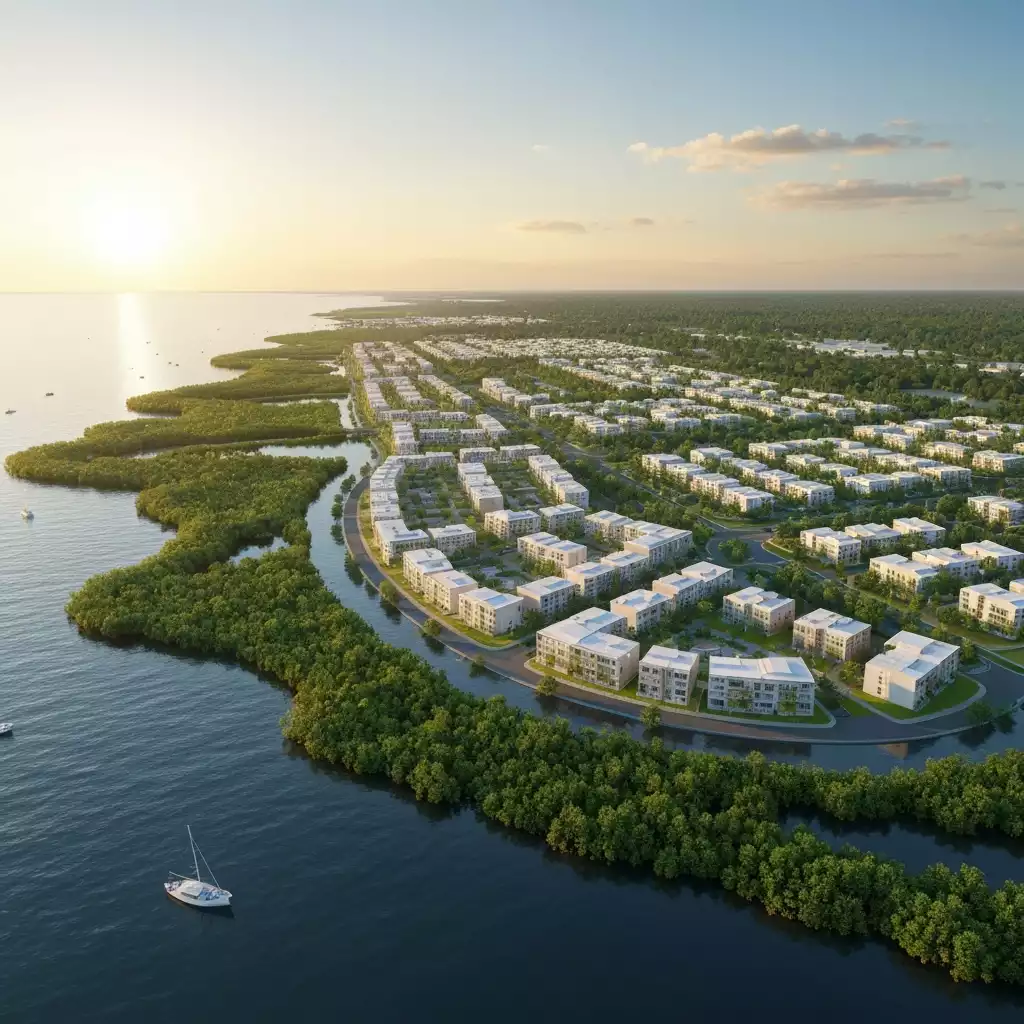
Coastal resilience involves a combination of natural and built systems working together to manage risk and adapt to changing conditions. It encompasses various approaches, including land-use planning, environmental conservation, and community preparedness. In Lee County, enhancing coastal resilience means protecting our local ecosystems while ensuring that our communities remain vibrant and economically viable. For more insights into local risks and resilience planning, you can review the Lee County Risk and Resilience Study.
- Protecting natural habitats such as wetlands and mangroves
- Implementing sustainable development practices
- Engaging community members in resilience planning
By focusing on these areas, we can build a more sustainable future. Strengthening our coastal resilience not only benefits the environment but also promotes long-term economic growth by attracting tourists and supporting local businesses.
Key Challenges: Storm Surge and Sea Level Rise in Florida
In Lee County, we face significant threats from storm surge and sea level rise. Storm surges from hurricanes can inundate coastal areas, causing extensive damage to infrastructure and ecosystems. As sea levels continue to rise, low-lying regions are increasingly vulnerable to flooding, which poses risks to both property and human safety. The State of Florida also provides a comprehensive Statewide Flooding and Sea Level Rise Resilience Plan which outlines broader strategies.
- Increasing frequency of hurricanes leading to stronger storm surges
- Long-term impacts of sea level rise on coastal communities
- Need for updated infrastructure to withstand flooding
These challenges highlight the urgency of adopting resilience measures in our region. By understanding and addressing the factors contributing to these vulnerabilities, we can take meaningful action to protect our communities and the natural beauty of Lee County.
Role of the Lee County Board of County Commissioners in Promoting Resilience
The Lee County Board of County Commissioners plays a crucial role in promoting coastal resilience through policy-making and planning initiatives. They are responsible for implementing strategies that not only protect our coastlines but also enhance the quality of life for residents. By prioritizing resilience in their agendas, they pave the way for effective solutions to our pressing challenges.
- Developing comprehensive climate action plans
- Funding conservation projects to enhance natural defenses
- Engaging the community in resilience discussions
Through these efforts, the Board is actively working to create a safer and more resilient Lee County. By fostering collaboration between government, businesses, and community members, we can collectively build a stronger foundation for our future.
Pro Tip
Did you know? Engaging in local conservation efforts not only helps protect our coastal environments but also fosters a sense of community and belonging. By attending workshops or volunteering for clean-up events, you can make a direct impact while connecting with like-minded individuals who care about Lee County’s future.
Bringing It All Together: The Future of Coastal Resilience in Lee County
As we look toward the future, the importance of coastal resilience in Lee County has never been clearer. Our efforts in conservation and collaboration have set a solid foundation for protecting our beautiful coastlines and the diverse ecosystems they support. Let’s reflect on what we’ve learned from our conservation initiatives and how we can continue to strengthen our efforts moving forward.
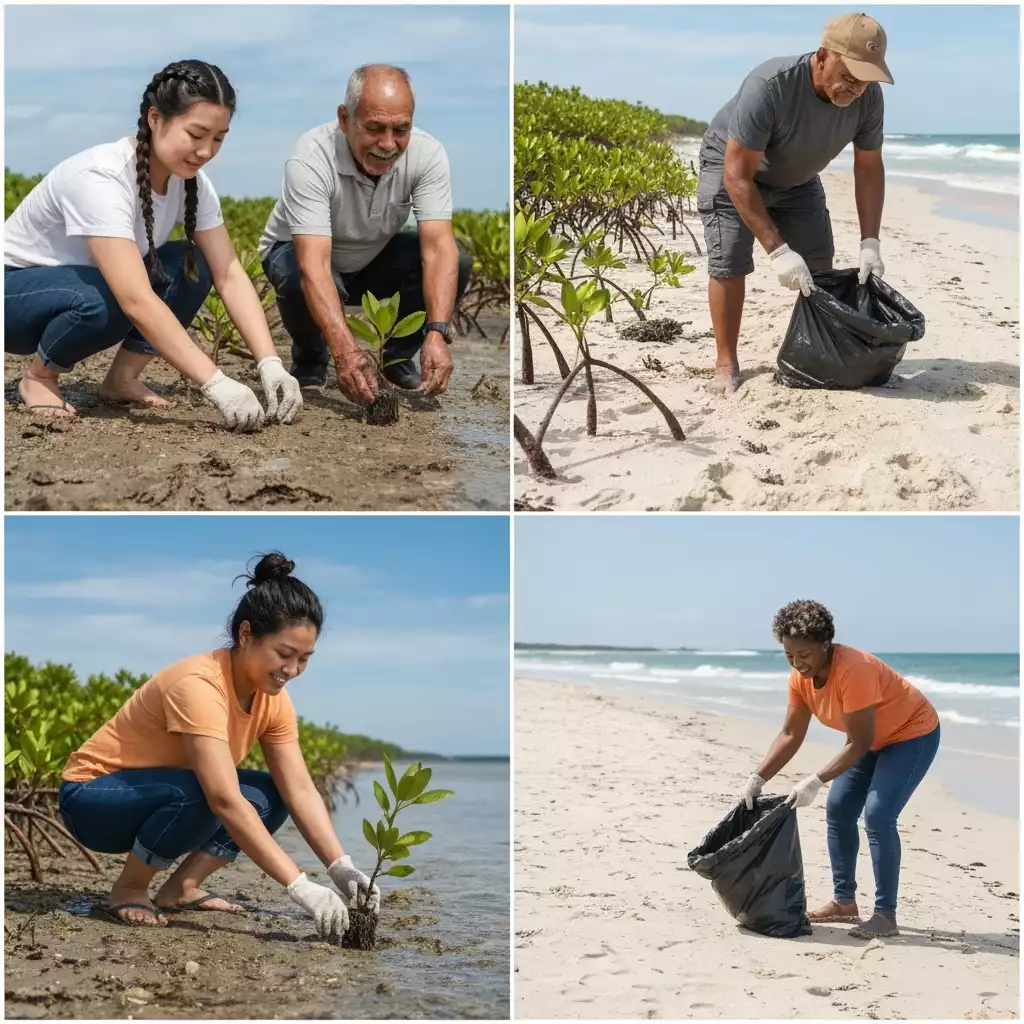
One of the key takeaways from our exploration of coastal resilience is the undeniable impact of community involvement. Each step we’ve taken together has highlighted the significance of protecting our natural resources and the need for sustainable practices. Our combined efforts can make a tangible difference in mitigating the effects of climate change, especially in areas vulnerable to storm surge and rising sea levels.
Key Takeaways: What We’ve Learned About Conservation Efforts
Through our journey in conservation, several crucial lessons have emerged:
- Community Engagement is Essential: Local participation is vital for successful conservation projects.
- Natural Solutions Work: Protecting ecosystems, like mangroves and wetlands, provides natural flood defenses.
- Collaboration Multiplies Impact: Working with organizations, such as the Sanibel-Captiva Conservation Foundation, enhances our conservation strategies.
- Education Promotes Awareness: Informing residents about coastal issues fosters a community ready to take action.
These insights reflect the essence of our ongoing efforts. By understanding these key lessons, we can shape the way forward, ensuring that our coastal environments remain resilient for generations to come.
Frequently Asked Questions about Coastal Resilience in Lee County
- What is coastal resilience?
- Coastal resilience refers to the ability of coastal areas to withstand and recover from challenges like extreme weather events, rising sea levels, and other environmental stresses. It involves protecting natural habitats, safeguarding livelihoods, and ensuring the well-being of residents.
- Why is coastal resilience important for Lee County?
- In Lee County, coastal resilience is crucial because our economy and way of life are deeply connected to our beaches and ecosystems. It helps protect us from the increasing threats of climate change, such as storm surges and rising sea levels, ensuring a sustainable future for the region.
- What are the main challenges to coastal resilience in Lee County?
- The primary challenges include increased hurricane frequency and intensity, leading to stronger storm surges, and the long-term impacts of sea level rise on low-lying coastal communities. This necessitates updated flood-resistant infrastructure.
- How does the Lee County Board of County Commissioners support coastal resilience?
- The Board plays a vital role by developing climate action plans, funding conservation projects to enhance natural defenses, and actively engaging the community in resilience discussions and planning initiatives.
- What are some effective solutions for enhancing coastal resilience?
- Effective solutions include protecting natural habitats like wetlands and mangroves, implementing sustainable development practices, and fostering strong community engagement in resilience planning and initiatives.
- How can community members get involved in coastal resilience efforts?
- Community members can get involved by participating in local conservation events and volunteer opportunities, becoming members of local conservation organizations, advocating for sustainable practices, and educating friends and family about the importance of coastal resilience.
Getting Involved: How You Can Support Coastal Resilience Initiatives
Want to make a difference in protecting Lee County’s coastlines? Here’s how you can get involved:
- Participate in local conservation events and volunteer opportunities.
- Become a member of local conservation organizations.
- Advocate for sustainable practices in your community.
- Educate friends and family about the importance of coastal resilience.
Your involvement can be a game changer! Every small action contributes to a larger impact, helping us to maintain our coastal ecosystems and prepare for future challenges.
Future Collaborations with the Conservancy of Southwest Florida and Other Organizations
Looking ahead, we are excited about the potential for future collaborations with the Conservancy of Southwest Florida and other key organizations. By joining forces, we can:
- Enhance research on coastal ecosystems and biodiversity.
- Implement innovative conservation strategies.
- Share resources and expertise to amplify our impact.
These partnerships can lead to groundbreaking initiatives that further strengthen our coastal resilience efforts. I genuinely believe that together, we can create a sustainable future that honors our natural heritage while protecting our community.
Recap of Key Points
Here is a quick recap of the important points discussed in the article:
- Coastal resilience is vital for protecting natural habitats and supporting local economies in Lee County.
- Key strategies include investing in infrastructure, protecting ecosystems, and engaging community members in resilience planning.
- The Lee County Board of County Commissioners plays a crucial role in implementing policies for coastal resilience.
- Community engagement and collaboration with organizations enhance conservation efforts and promote awareness.
- Getting involved through local events, advocacy, and education is essential for supporting coastal resilience initiatives.


