




Tracking Tropical Systems in Florida
Click the play button above to listen to the article
As the Atlantic hurricane season approaches, understanding tropical systems is not just beneficial—it’s essential for your safety and that of your loved ones. With the potential for increased storm activity in 2025, being informed can make all the difference.
What You Will Learn
- Definitions Matter: Know the difference between tropical storms and hurricanes to respond effectively.
- Monitoring is Essential: Stay updated with real-time information from trusted sources to prepare for storms.
- Community Preparedness: Engage with your community and local government for effective disaster response.
- Climate Change Impact: Understand how climate change is influencing the frequency and intensity of storms.
Tropical Systems: Definitions and Impacts
Understanding the distinctions between tropical storms and hurricanes, along with the broader implications of climate change on these weather patterns, is crucial for preparedness in Southwest Florida.
Tropical Storms vs. Hurricanes
Tropical Storm
39-73 mph Sustained Winds
Hurricane
74+ mph Sustained Winds
Categorized by wind speed and potential damage.
Key Impacts of Tropical Systems
- Strong Winds
- Heavy Rain
- Flooding
- Storm Surge (rise in sea level)
Climate Change & Storm Trends (2025)
- Increased storm frequency
- More intense storms
- Higher flooding risk
- Potentially longer hurricane seasons
@media (max-width: 768px) {#custom-visual-container article {flex-basis: 100% !important;max-width: 100% !important;}}
Understanding Tropical Systems Near Southwest Florida
As a resident of Southwest Florida, understanding tropical systems is essential for keeping yourself and your loved ones safe. Tropical storms and hurricanes can develop quickly, and being informed helps ensure that you are prepared for any situation that may arise. In this section, we’ll dive into what tropical systems are and why they matter, along with current trends in the 2025 Atlantic hurricane season.
Learning about tropical systems isn’t just for meteorologists—it’s critical for all of us living in areas prone to these weather phenomena. We’ll explore how monitoring these storms can significantly impact your safety and the well-being of your community.
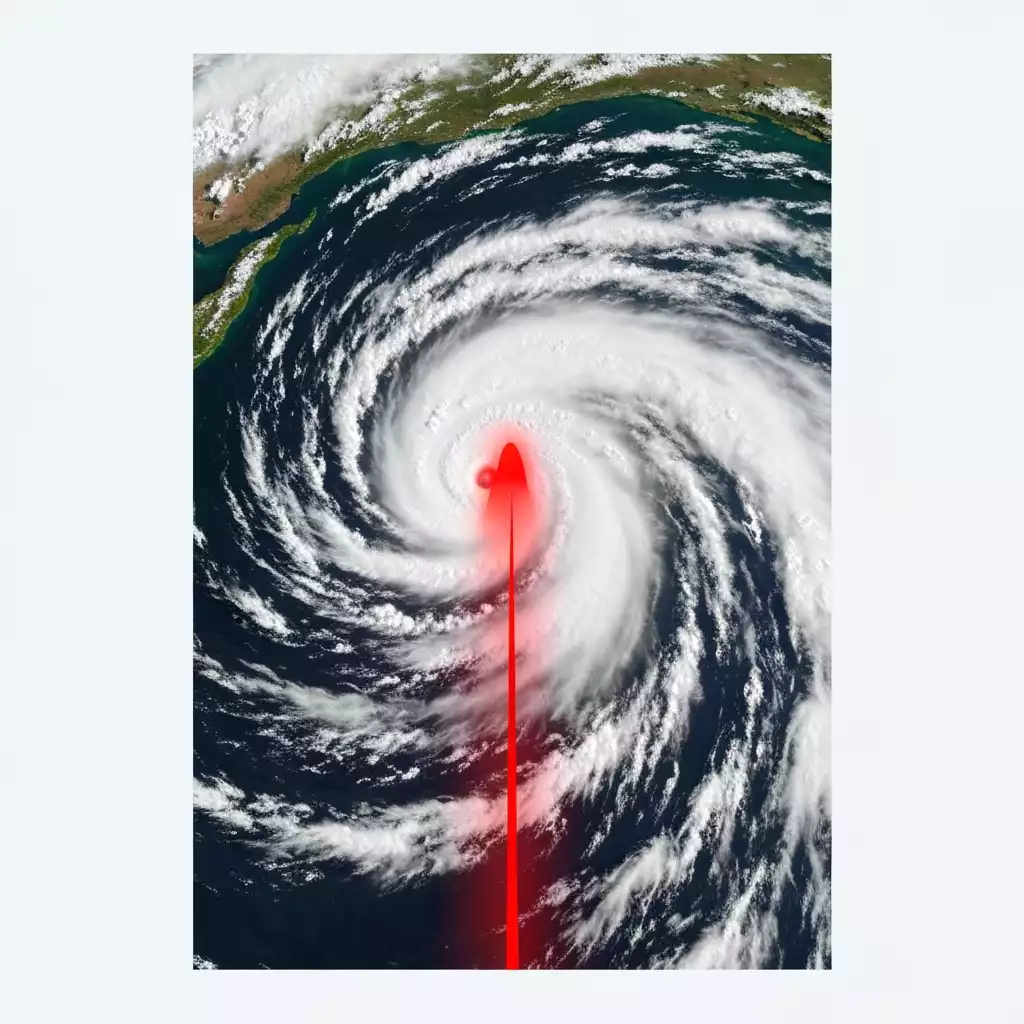
What Are Tropical Systems and Why They Matter?
Tropical systems refer to a variety of weather patterns, including tropical storms and hurricanes, that originate over warm ocean waters. These systems can produce strong winds, heavy rain, and even flooding, making it crucial for us to stay informed. Understanding how these storms develop and their potential impacts can help us take necessary precautions.
- Tropical Storms: These storms have sustained winds ranging from 39 to 73 mph.
- Hurricanes: A hurricane has sustained winds of 74 mph or higher.
- Storm Surge: One of the most dangerous aspects, this is the rise in sea level during a storm.
Being aware of these definitions can make a big difference when it comes to preparing for storms. Each storm is unique, and knowing the differences allows you to respond effectively.
Defining Tropical Storms and Hurricanes
To put it simply, tropical storms and hurricanes are categorized based on their wind speeds and potential for damage. A tropical storm becomes a hurricane when it reaches those higher wind speeds. Hurricanes can carry devastating impacts, including structural damage and loss of power, making it essential to regularly monitor them during hurricane season.
Understanding these definitions not only helps you identify potential threats but can also guide you in crafting an effective safety plan. We must recognize that these storms can change trajectory quickly, which can affect our local communities.
The Importance of Monitoring Tropical Systems
Monitoring tropical systems allows residents to stay ahead of the storm. Keeping an eye on updates from official sources helps everyone understand when to evacuate, stock up supplies, and prepare for power outages. By following the guidance from meteorologists and local officials, we can act swiftly and minimize risks, as emphasized by resources like the National Weather Service’s tropical weather guidance.
- Stay informed through trusted sources.
- Follow evacuation orders if issued.
- Prepare an emergency kit with essential items.
When tropical systems are approaching, every minute counts. The more aware we are of developing storms, the better prepared we can be as a community.
Frequently Asked Questions
- What is the difference between a tropical storm and a hurricane?
- A tropical storm has sustained winds ranging from 39 to 73 mph. A hurricane has sustained winds of 74 mph or higher. The classification depends on wind speed and indicates potential damage levels.
- Why is it important to monitor tropical systems?
- Monitoring tropical systems is crucial for staying ahead of potential threats. It allows residents to prepare for evacuations, stock up on supplies, and minimize risks by following official guidance and real-time updates.
- How does climate change impact tropical storm patterns?
- Climate change contributes to warmer ocean waters, which can lead to more intense storms, increased rainfall, higher chances of flooding, and potentially longer, more unpredictable hurricane seasons.
- What are the key impacts of tropical systems?
- Tropical systems can bring strong winds, heavy rain, widespread flooding, and dangerous storm surges (a rise in sea level).
- Where can I find reliable, real-time updates during hurricane season?
- Reliable real-time updates can be found from authoritative sources such as the National Hurricane Center, local weather services, and trusted news outlets. You can also refer to resources like UF Emergency Management’s hurricane tracking information.
Current Trends in the 2025 Atlantic Hurricane Season
This year, the Atlantic hurricane season has shown some patterns that we should keep an eye on. Each season brings its own set of challenges, and 2025 is no exception. With the potential for increased tropical cyclone activity, it’s important for us to stay updated.
In the following sections, we will explore what this year has looked like so far in terms of storm formation and how trends relating to climate change are also impacting storm patterns. This information is vital for understanding what we can expect in our region.
Overview of Tropical Cyclone Activity This Year
The 2025 Atlantic hurricane season has experienced a mix of activity, with a few notable storms already forming. It’s essential to keep track of these storms because their paths can shift and create new risks for our area. By understanding the current trends, we can better prepare for the remainder of the season.
- Increased storm formations in early summer.
- Notable cyclones with potential impacts on the Gulf Coast.
- Predictions indicating a busier than average season.
As we navigate this season, knowing the current activity patterns can help us stay alert and proactive. Keep checking reliable forecasts regularly to ensure you’re fully informed.

Recent Storm Formation and Tracking Updates
Recent storms have been tracked closely by meteorologists, helping us stay aware of their developments. Understanding how to interpret storm tracking updates enables us to make well-informed decisions. It’s crucial to follow these updates, especially if a storm threatens Southwest Florida, utilizing resources like the University of Florida’s comprehensive hurricane tracking information.
By using online resources and local news, we can keep ourselves and our families safe. This way, we will be prepared for any changes in the storm’s path or intensity.
Impact of Climate Change on Tropical Storm Patterns
Climate change is playing a significant role in how tropical storms form and behave. Warmer ocean waters can lead to more intense storms and increased rainfall. It’s essential for us to recognize how these changes affect our hurricane seasons and how we can adapt to these new realities.
- Increased frequency of severe storms.
- Higher chances of flooding due to intense rainfall.
- Longer hurricane seasons with more unpredictable patterns.
By staying informed about these trends, we can better prepare for the future. It’s our responsibility to monitor the changing climate and its implications for our community.
Real-Time Updates from Authoritative Sources
Staying informed during tropical storms hinges on having access to real-time updates from trusted sources. Organizations like the National Hurricane Center provide crucial information that can save lives and property. In the next sections, we will discuss how to utilize these resources effectively.
Maintaining a proactive approach to storm tracking is vital; being prepared can make all the difference when a storm approaches. As we continue through the hurricane season, let’s keep our communities safe by accessing the right information.
Pro Tip
Did you know? Having a pre-assembled emergency kit can significantly reduce stress during a storm. Include essentials like water, non-perishable food, a flashlight, batteries, medications, and important documents. Regularly check and update your supplies to ensure everything is ready when you need it most!
Summarizing the Importance of Staying Informed
In our ever-changing climate, understanding how tropical systems impact Southwest Florida is crucial. As we navigate through the hurricane season, staying informed can literally make a difference between safety and disaster. Preparedness is not just a suggestion—it’s a necessity!
As residents, our ability to respond effectively hinges on our awareness and understanding of tropical threats. This article has highlighted key aspects that emphasize why being informed is vital for everyone in our region.
Key Takeaways for Residents of Southwest Florida
To wrap up, let’s focus on the main points that we should all remember. Here are some essential takeaways:
- Preparedness is Key: Always have a plan in place.
- Stay Informed: Rely on trusted sources for real-time updates.
- Share Information: Make sure your family and friends are aware of the latest news.
By keeping these points in mind, we can enhance our community’s resilience against tropical storms. Preparedness isn’t just about you; it’s about your loved ones and neighbors too!
The Necessity of Preparedness and Awareness
Preparedness goes beyond simply having supplies ready. It includes being aware of your surroundings, understanding local flood zones, and knowing your evacuation routes. By continually educating ourselves, we can mitigate the threats posed by tropical storms.
Moreover, engaging in community programs can enhance our readiness. The more we know, the better we can protect ourselves and those around us.
Staying Updated with Reliable Information Sources
During storm season, having access to reliable information is paramount. Utilizing resources like the National Hurricane Center, local weather services, and trusted news outlets can provide you with the most accurate updates. Remember, misinformation can lead to panic and poor decision-making!
Stay connected with alerts via apps or social media platforms from reliable sources to ensure you’re always in the loop.
Engaging with Local News Stations for Timely Updates
Your local news stations are valuable assets during emergencies. They provide timely updates, forecasts, and safety tips. Establishing a routine to check in on these stations can empower you to make informed decisions when storms approach.
Consider setting alerts on your phone for breaking news in your area. This small action can make a big difference when every minute counts!
Engaging with Your Community for Better Preparedness
One of the strongest tools we have against tropical storms is our community. Working together can foster a supportive environment where everyone feels secure. Here’s how we can engage more effectively:
- Local Government Support: Know what resources are available.
- Collaboration is Key: Share safety information within your community.
- Training Opportunities: Attend local preparedness events to learn more!
By participating actively in community initiatives, we strengthen our collective resilience and support one another in times of need.
How Local Governments Can Assist During Storm Events
Local governments play a pivotal role in coordinating disaster response efforts. They set up shelters, provide resources, and disseminate vital information during storms. Being aware of what your local government offers can help you leverage these resources effectively.
Don’t hesitate to reach out or attend town hall meetings to familiarize yourself with their plans and services.
Encouraging Community Collaboration and Communication
Communication is essential in a crisis. Encourage neighbors to share their emergency plans and resources. This creates a network of support where everyone is on the same page.
Using community platforms or group chats can facilitate ongoing dialogue about preparedness strategies and updates as storm threats develop.
Participating in Community Preparedness Events and Training
Engaging in community preparedness events is a fantastic way to learn valuable skills. From workshops to simulation drills, these events provide hands-on experience and knowledge that can be lifesaving.
Check with local organizations for upcoming events; investing your time in these opportunities can only enhance your family’s safety during tropical storms.
Recap of Key Points
Here is a quick recap of the important points discussed in the article:
- Understanding Tropical Systems: Be aware of the definitions of tropical storms and hurricanes, including their wind speeds and the dangers they pose.
- Monitoring is Crucial: Stay informed through trusted sources for real-time updates and follow evacuation orders if issued.
- Preparedness is Essential: Always have a plan in place, and prepare an emergency kit with essential supplies.
- Community Engagement: Collaborate with neighbors and local organizations to enhance community resilience and share vital information.
- Climate Change Awareness: Recognize how climate change impacts storm patterns and increase your preparedness accordingly.


