



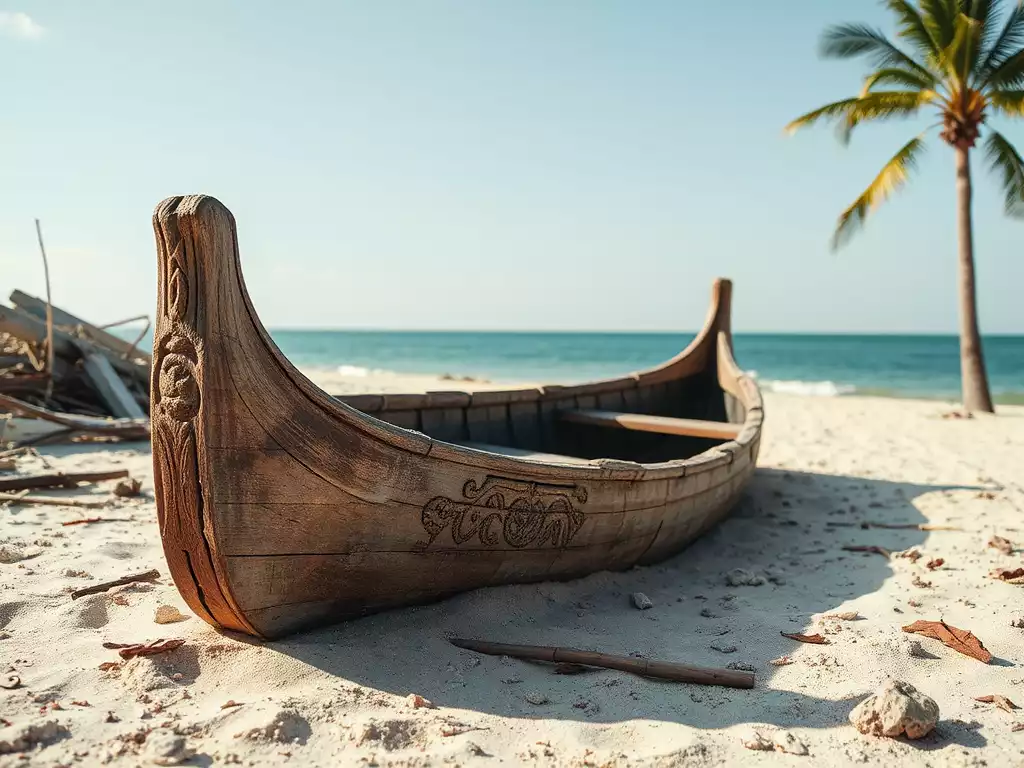
Ancient Canoe Found Post-Hurricane Ian
Click the play button above to listen to the article
The recent discovery of an ancient wooden canoe in Fort Myers during Hurricane Ian’s cleanup has unveiled a significant piece of Florida’s maritime history. This find not only connects us to the past but also fosters community engagement and appreciation for local heritage.
What You Will Learn
- The ancient canoe is believed to be one of the first mahogany canoes discovered in Florida.
- Its recovery emphasizes the importance of local history preservation during natural disasters.
- Community involvement plays a crucial role in historical preservation and archaeological exploration.
- Ongoing research aims to uncover the canoe’s age, construction methods, and cultural significance.
- Public engagement initiatives are underway to educate the community about Florida’s rich maritime narrative.
The Ancient Wooden Canoe: Discovery, Significance, and Future
The discovery of an ancient wooden canoe in Fort Myers following Hurricane Ian has unearthed a wealth of historical and cultural insights. This visual outlines the key aspects of its discovery, its profound significance, and the ongoing efforts for its preservation and community engagement.
Discovery Context: Post-Hurricane Ian
- • First mahogany canoe discovered in Florida.
- • Emphasizes preserving local history during disasters.
- • Cleanup efforts merged with archaeological exploration.
Significance: Historical & Cultural Impact
- • Reshapes understanding of Florida’s maritime history.
- • Insights into indigenous peoples’ resource use.
- • Connects contemporary Floridians with ancestors.
Recovery Efforts: Preservation & Community
- • Collaboration between authorities and archaeologists.
- • Specialized equipment for careful excavation.
- • Community outreach to raise awareness.
Future Research & Engagement
- • Carbon dating to ascertain age.
- • Wood species analysis and cultural connections.
- • Educational programs and interactive exhibits.
@media (max-width: 768px) {
#custom-visual-container article {
flex-basis: 100% !important;
max-width: 100% !important;
}
}
Revelation of the Ancient Wooden Canoe in Fort Myers
During the turbulent times following Hurricane Ian, an extraordinary discovery emerged in Fort Myers—a remarkable ancient wooden canoe. While the storm wreaked havoc on the area, the ensuing cleanup efforts revealed this slice of history, drawing attention to its fascinating origins. The canoe’s discovery amidst the storm debris has ignited curiosity about its past and what it means for the local community.
The timing of this discovery is pivotal, not only in the context of recovery after a natural disaster but also in highlighting the significance of our local heritage. As we look back on the aftermath of Hurricane Ian, it is essential to appreciate how unexpected moments can lead to remarkable findings that connect us to our history.
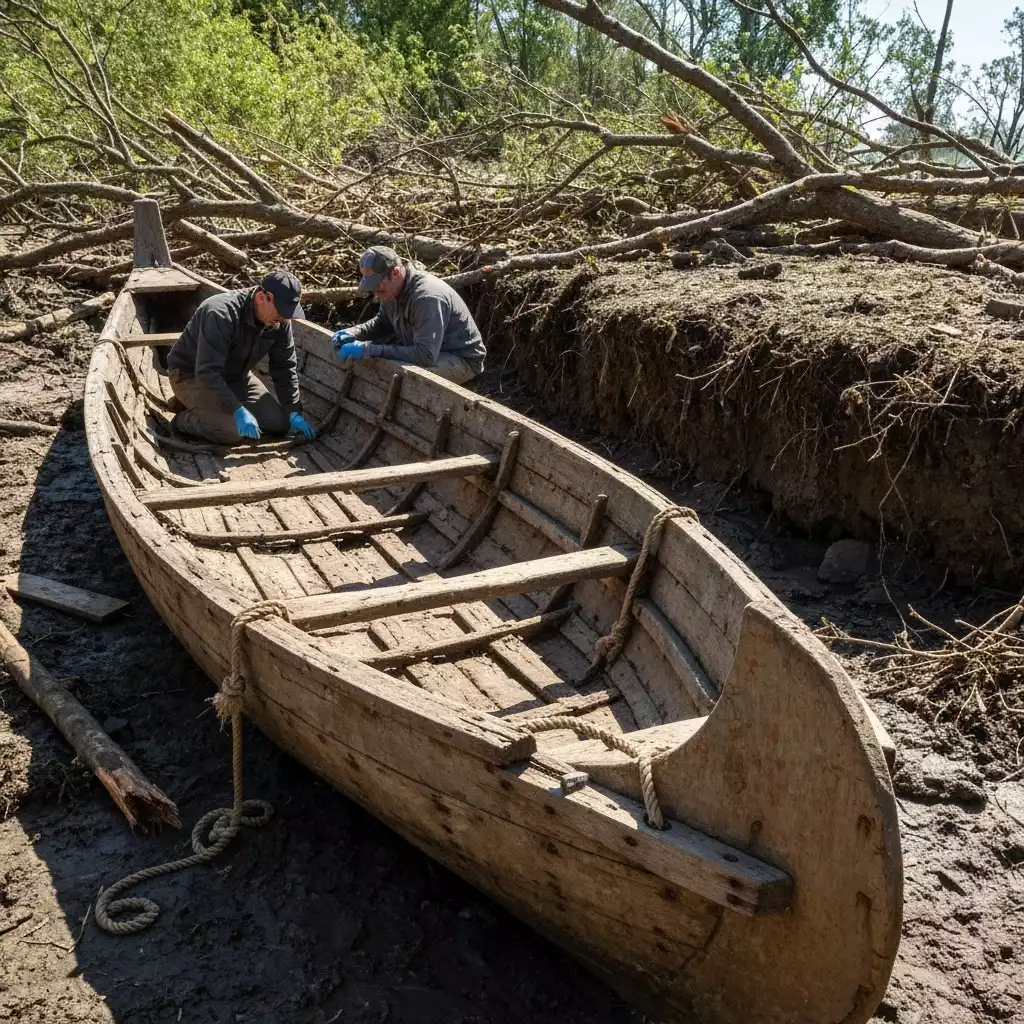
Context of the Discovery During Hurricane Ian
Hurricane Ian struck Florida with immense force, leaving destruction in its wake. In the midst of the recovery efforts, workers stumbled upon the ancient canoe, which had been buried beneath layers of storm debris. This unexpected find sparked excitement among archaeologists and historians, as they recognized the canoe’s potential historical value.
- The canoe’s material suggests it may be one of the first mahogany canoes discovered in Florida.
- Its discovery emphasizes the importance of preserving local history in the face of natural disasters.
- Cleanup efforts turned into archaeological explorations, merging restoration with historical significance.
As recovery teams cleared the area, they not only sought to restore the community but also unearthed a treasure that brings our past closer to the present. This discovery is a testament to the resilience of history, even in the wake of destruction.
Significance of the Ancient Wooden Canoe Found in Florida
The ancient canoe holds exceptional significance for the region, as it is believed to be one of the first mahogany canoes found in Florida’s rich archaeological record. Mahogany, known for its durability and beauty, suggests that this canoe was not only a means of transportation but also a reflection of the skilled craftsmanship of the time. This finding offers new perspectives on Florida’s diverse archaeological landscape.
- Potential to reshape our understanding of Florida’s maritime history.
- Insights into the indigenous peoples and their use of natural resources.
- A bridge connecting contemporary Floridians with their ancestors.
This canoe serves as an important artifact that can tell stories of those who came before us, opening doors to discussions about Florida’s indigenous cultures and their sophisticated maritime practices. Its discovery invites us to delve deeper into our local history and cultural identity. The Florida Division of Historical Resources has been actively involved in its study and preservation.
Recovery Efforts After the Storm
In the aftermath of Hurricane Ian, the recovery efforts to locate and preserve the ancient wooden canoe were both challenging and inspiring. Local archaeologists and volunteers worked tirelessly, sifting through debris to ensure that this historical piece would not be lost. Their dedication highlights the importance of community involvement in preserving our heritage.
- Collaboration between local authorities and archaeologists for effective recovery.
- Utilization of specialized equipment to carefully excavate the canoe.
- Community outreach to raise awareness about the significance of the find.
These efforts underscore the importance of safeguarding our history, especially during times of crisis. As we reflect on the canoe’s recovery, it becomes clear that history is not merely a story of the past but a living narrative that continues to shape our community today.
Understanding the Construction and Materials of the Canoe
This ancient canoe is much more than just a relic; it represents a significant achievement in maritime technology and craftsmanship. The materials used and the construction techniques employed tell us a great deal about the people who created it and their understanding of the natural environment.
As we delve into the unique features of this mahogany canoe, we uncover layers of cultural significance that highlight the intersection of nature and human ingenuity.
Pro Tip
Did you know? Engaging with local history can significantly enhance your understanding of cultural identity. Consider visiting local museums or participating in community events that focus on artifacts like the ancient canoe. This not only supports preservation efforts but also enriches your connection to your community’s heritage.
Current Status and Future Research on the Ancient Canoe
The ancient wooden canoe found in Fort Myers is not just a fascinating artifact; it’s a treasure trove of research potential! As we continue to uncover its mysteries, several ongoing research efforts aim to shed light on its history and significance. The collaborative work among archaeologists, historians, and local experts ensures that we’re taking every step necessary to protect and study this remarkable find.
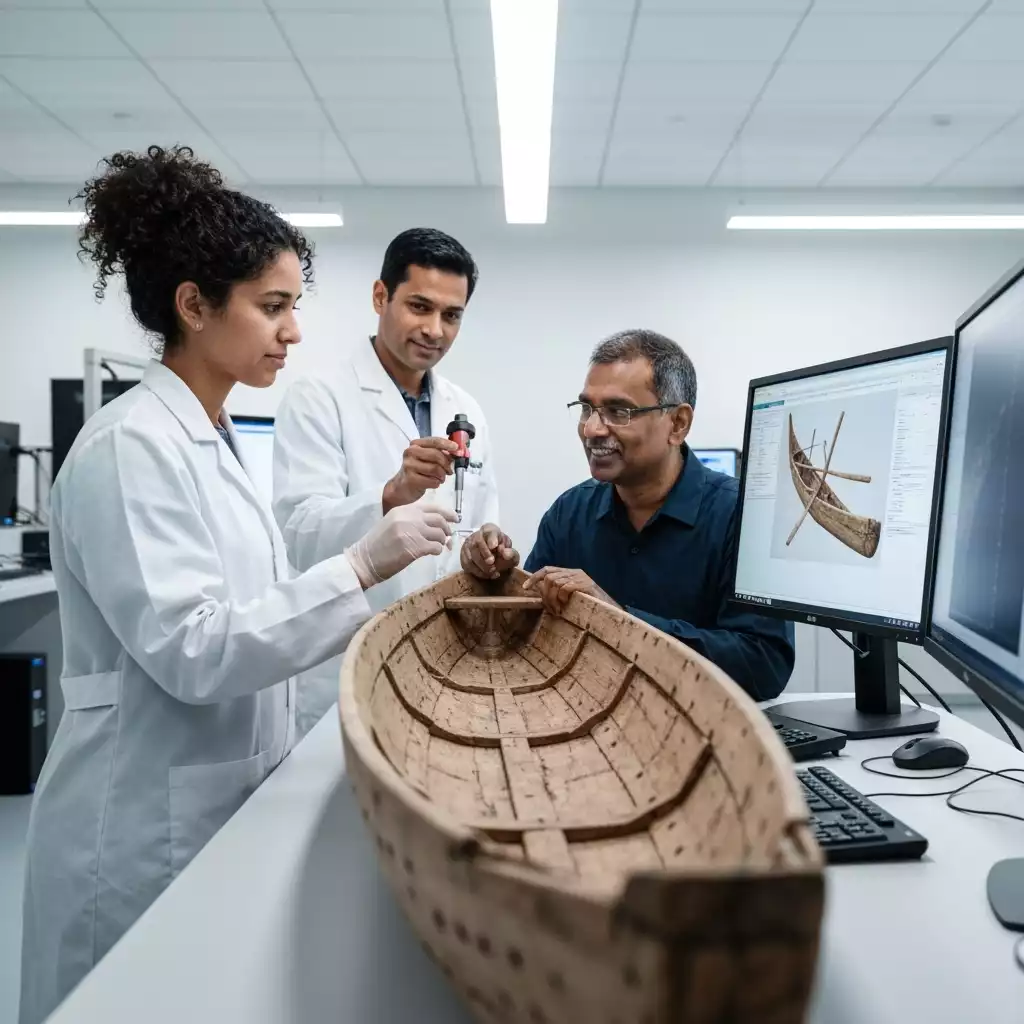
Moving forward, the research team is focusing on preservation techniques and the canoe’s construction methods. This includes opportunities for carbon dating to determine its age and detailed analyses to understand the materials used. Each of these steps plays a critical role in piecing together the story behind this canoe!
What’s Next for the Ancient Wooden Canoe?
- Conducting in-depth carbon dating to ascertain the canoe’s age
- Analyzing the wood species to understand its sourcing
- Collaborating with local tribes to explore cultural connections
- Preparing educational materials for future community engagement
These research initiatives not only aim to preserve the canoe but also to enhance our understanding of Florida’s maritime history. The canoe’s future is bright, and I’m excited to see where it leads us!
How the Discovery Influences Local Community and Historians
The discovery of the canoe has sparked immense interest within the local community and among historians alike. With its historical implications, many community members are becoming more engaged in regional history. Schools and local organizations are taking this opportunity to educate students about our rich past, fostering a new generation of history enthusiasts!
Local historians are particularly excited as well. This find not only fills gaps in our understanding of Florida’s indigenous cultures, but it also serves as a catalyst for further archaeological explorations in the area. The canoe has proven to be a bridge connecting our past with our present.
Public Engagement and Educational Programs Related to the Canoe
To ensure that the significance of the canoe is communicated effectively, various public engagement initiatives are underway. We’re developing educational programs that will introduce the community to the canoe’s history and its importance in Florida’s maritime narrative.
- Workshops for local schools focusing on archaeology and history
- Public lectures featuring experts in the field
- Interactive exhibits at local museums showcasing the canoe
- Community events encouraging citizen involvement in preservation efforts
These programs will not only educate but also inspire future generations to appreciate and protect our cultural heritage!
Frequently Asked Questions About the Ancient Canoe Discovery
- Q: Where was the ancient wooden canoe discovered?
- A: The ancient wooden canoe was discovered in Fort Myers, Florida, during cleanup efforts following Hurricane Ian.
- Q: What makes this canoe discovery particularly significant?
- A: It is believed to be one of the first mahogany canoes discovered in Florida, offering unique insights into the region’s maritime history and indigenous craftsmanship. The Florida Division of Historical Resources has completed its conservation, highlighting its importance.
- Q: How did Hurricane Ian contribute to the discovery?
- A: The hurricane’s powerful forces and subsequent cleanup efforts unearthed the canoe, which had been buried beneath debris, revealing it to recovery teams.
- Q: What kind of research is being conducted on the canoe?
- A: Ongoing research includes carbon dating to determine its age, analysis of the wood species, and collaboration with local tribes to understand its cultural significance and construction methods.
- Q: How is the community involved in the preservation of the canoe?
- A: Community involvement has been crucial, from initial recovery efforts by volunteers and archaeologists to ongoing public engagement initiatives, educational programs, and interactive exhibits aimed at raising awareness and fostering appreciation for local heritage.
Engaging with the Discovery: How You Can Learn More
To dive deeper into Florida’s archaeological treasures, there are numerous resources available for exploration. As a history lover, I find it exhilarating to uncover more about our past, and I encourage everyone to do the same. Here’s where you can start:
Resources for Further Exploration of Florida’s Archaeology
- Florida Historical Society – Explore a wealth of historical resources
- Archaeological Institute of America – Access articles and updates on archaeology
- Museum of Florida History – Visit exhibits and learn about local history
- Florida State Parks – Discover historical landmarks and archaeological sites
These resources will help you discover the fascinating world of Florida’s archaeology and history!
Cultural Programs and Heritage Tourism Related to the Canoe
In addition to educational initiatives, there are exciting cultural programs and heritage tourism opportunities centering around the canoe. These programs not only promote awareness but also celebrate our rich history.
- Guided tours of historical sites in Fort Myers
- Cultural festivals highlighting local indigenous cultures
- Workshops and hands-on experiences related to canoe building and maritime history
By participating in these programs, you’re not just learning about history; you’re also helping to keep it alive for future generations. I can’t wait to see how our community grows through this incredible discovery!
Recap of Key Points
Here is a quick recap of the important points discussed in the article:
- The ancient wooden canoe discovered in Fort Myers provides a unique glimpse into Florida’s maritime history.
- The canoe is believed to be one of the first mahogany canoes found in the region, highlighting the craftsmanship of indigenous peoples.
- Community involvement was crucial in the recovery and preservation efforts following Hurricane Ian.
- Ongoing research initiatives aim to analyze the canoe’s materials and construction techniques, enhancing our understanding of local history.
- Public engagement programs are being developed to educate the community about the canoe’s significance and promote cultural heritage.


