



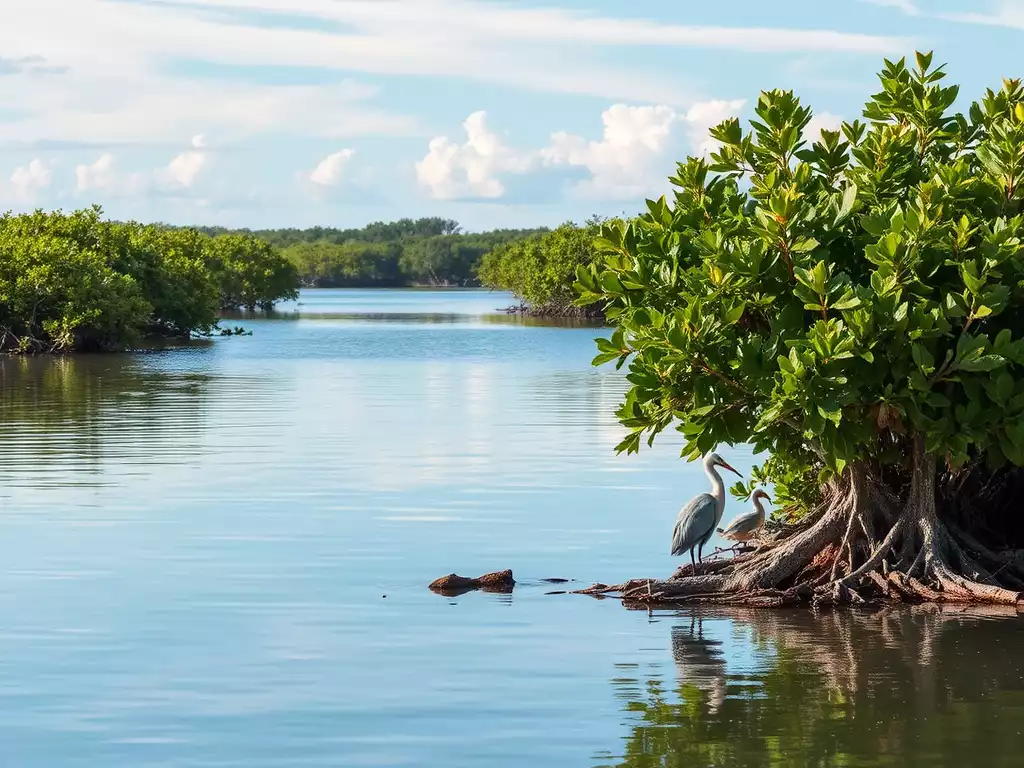
Storm Effects on Fort Myers Wildlife
Click the play button above to listen to the article
The effects of storms on ecosystems can be staggering, reshaping landscapes and endangering wildlife. Understanding these impacts is not just an academic exercise; it’s a call to action for all of us. What can we do to protect the delicate balance of nature in Fort Myers?
What You Will Learn
- Hurricanes can dramatically alter habitats, leading to loss of biodiversity.
- Coastal flooding displaces both aquatic and terrestrial wildlife, threatening their survival.
- Mangroves and estuaries act as crucial buffers against storm impacts, protecting ecosystems.
- Ongoing coastal management is essential to maintain ecosystem health and resilience.
- Community involvement in habitat restoration can significantly contribute to wildlife preservation.
Impact of Storms on Fort Myers Ecosystems and Wildlife
An overview of how hurricanes affect local environments, coastal areas, and the critical role of natural buffers.
Ecosystem Effects
- Habitat Loss
- Food Chain Disruption
- Increased Competition
Coastal Flooding Consequences
- Submerged Nests
- Altered Migration Patterns
- Increased Predation
Role of Mangroves & Estuaries
- Storm Surge Absorption
- Habitat for Species
- Improved Water Quality
Coastal Management Focus
- Habitat Protection
- Water Quality Monitoring
- Sustainable Development
Understanding Storm Impacts on Fort Myers Ecosystems and Wildlife
Fort Myers is no stranger to the powerful forces of nature, especially when it comes to hurricanes. Storms like Hurricane Gabrielle and Hurricane Helene have profoundly impacted our local ecosystems and wildlife. The physical changes these storms bring can reshape landscapes, alter habitats, and disrupt the delicate balance of our natural world.
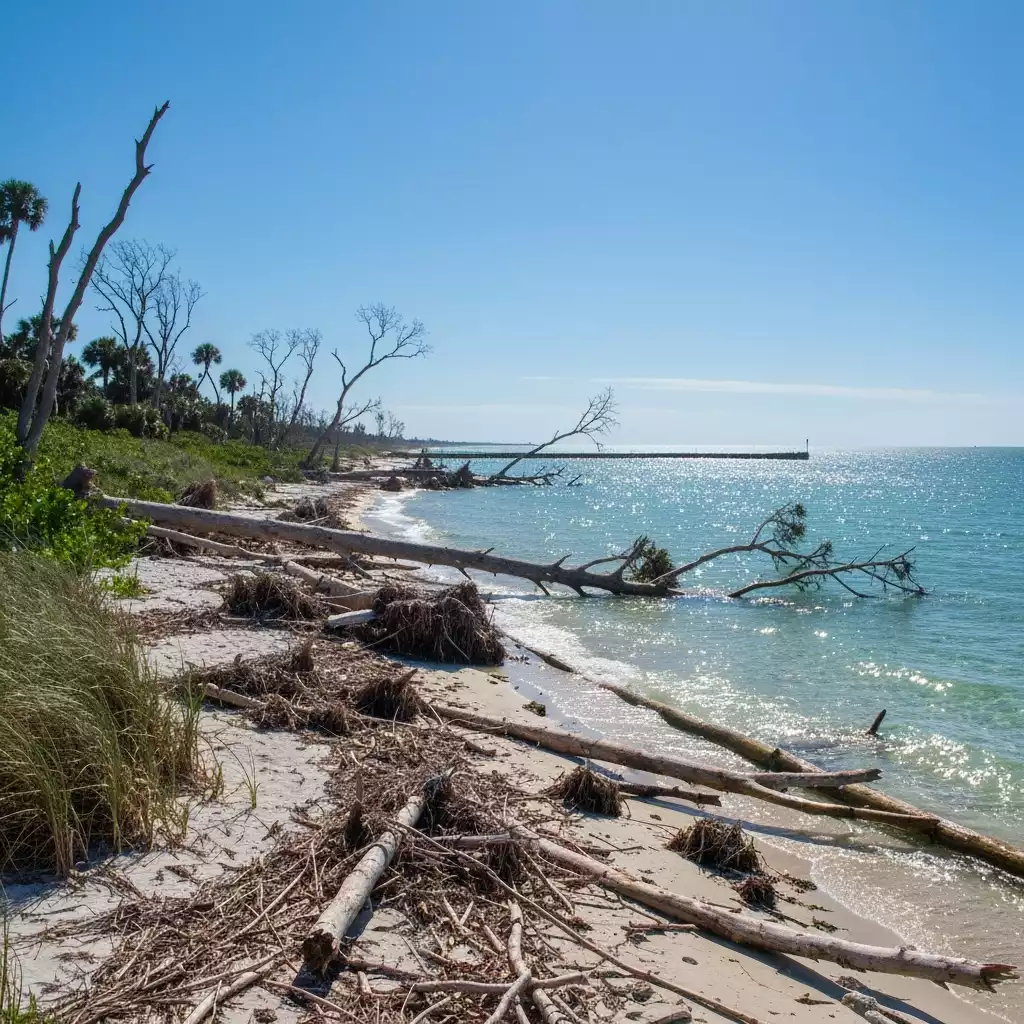
During these storms, we witness dramatic shifts in our environment. For example, the intense winds and heavy rainfall can lead to significant erosion along coastlines, while flooding can inundate areas that are typically dry. These changes not only affect the scenery but also create long-lasting consequences for the flora and fauna that call Fort Myers home. The impact of such events is well-documented, as seen in the documentary “Sanibel: The Hurricane Diaries,” which highlights the environmental challenges faced by neighboring regions.
Analyzing the Effects of Hurricanes on Local Ecosystems
When we analyze the impacts of hurricanes on our local ecosystems, it’s clear that the effects are wide-ranging. First and foremost, the physical destruction of habitats can lead to loss of biodiversity as species struggle to survive. One of the most noticeable repercussions is the alteration of nesting sites for various birds and marine life.
- Habitat Loss: Storms can destroy critical habitats, leading to a decline in species populations.
- Food Chain Disruption: The removal of vegetation can displace food sources for many animals.
- Increased Competition: As habitats shrink, remaining species may face increased competition for resources.
These consequences emphasize the need for ongoing monitoring and recovery efforts to ensure that our ecosystems can bounce back. It’s a reminder of how interconnected we all are within these ecosystems and why protecting them is crucial! For further insight into how ecosystems recover, the Wildlife Management Institute offers valuable perspectives on ecosystem resilience.
Coastal Flooding and Its Consequences for Wildlife
Coastal flooding is another significant concern during storm events. It disrupts habitats for both aquatic and terrestrial species, leading to severe consequences for wildlife populations. For example, rising waters can submerge critical nesting areas for shorebirds and create challenges for reptiles like sea turtles trying to nest along our beaches.
- Submerged Nests: Flooding can wash away eggs before they even have a chance to hatch.
- Altered Migration Patterns: If food sources are impacted, species may be forced to find new migration routes.
- Increased Predation: Displaced animals may be more vulnerable to predators when they are forced into unfamiliar territories.
These examples highlight the importance of understanding how flooding affects wildlife and the overall health of our ecosystems. Each storm brings new challenges, and it’s our responsibility to advocate for the recovery of these precious habitats! Encouragingly, recent reports indicate that wildlife on the Fort Myers coast is showing signs of recovery, including eagles, turtles, and pelicans, demonstrating the resilience of nature with proper support.
The Role of Mangroves and Estuaries in Storm Protection
Mangroves and estuaries play a pivotal role in safeguarding our wildlife and ecosystems during storms. These natural buffers absorb storm surges, reducing the impact of flooding and erosion. They serve not only as protective barriers but also as vital habitats for a diverse array of species.
- Storm Surge Absorption: Mangroves can lessen the force of incoming tides and reduce flooding.
- Habitat for Species: They provide shelter and breeding grounds for fish, birds, and other wildlife.
- Improved Water Quality: These ecosystems filter pollutants, contributing to healthier marine environments.
Understanding the importance of mangroves and estuaries helps us appreciate their role in maintaining ecosystem integrity. As someone deeply invested in the health of Fort Myers’ natural surroundings, I believe that protecting these vital areas is crucial for the resilience of our wildlife against future storms!
Pro Tip
Did you know? Volunteering for local conservation efforts not only helps protect wildlife but also enhances your connection to Fort Myers’ natural beauty. Engaging with community projects fosters awareness and drives collective action towards preserving fragile ecosystems.
Summarizing the Impact of Storms on Fort Myers Ecosystems
As we’ve explored, storms have a profound impact on our beloved Fort Myers ecosystems and wildlife. From the physical changes to habitats caused by hurricanes like Hurricane Gabrielle and Hurricane Helene, to the disruption of animal populations due to coastal flooding, understanding these effects is crucial. Recognizing the ripple effects of storm activity is essential for us as a community to develop better strategies for preservation.
For instance, coastal flooding can lead to significant habitat loss for both marine and terrestrial species. This impacts not just individual species but the entire ecological balance of the region. By summarizing these findings, we can appreciate the urgency of protecting our natural environment against the threats posed by severe weather.
- Hurricanes reshape landscapes and alter habitats.
- Coastal flooding displaces aquatic and terrestrial wildlife.
- Mangroves and estuaries play a vital role in storm protection.
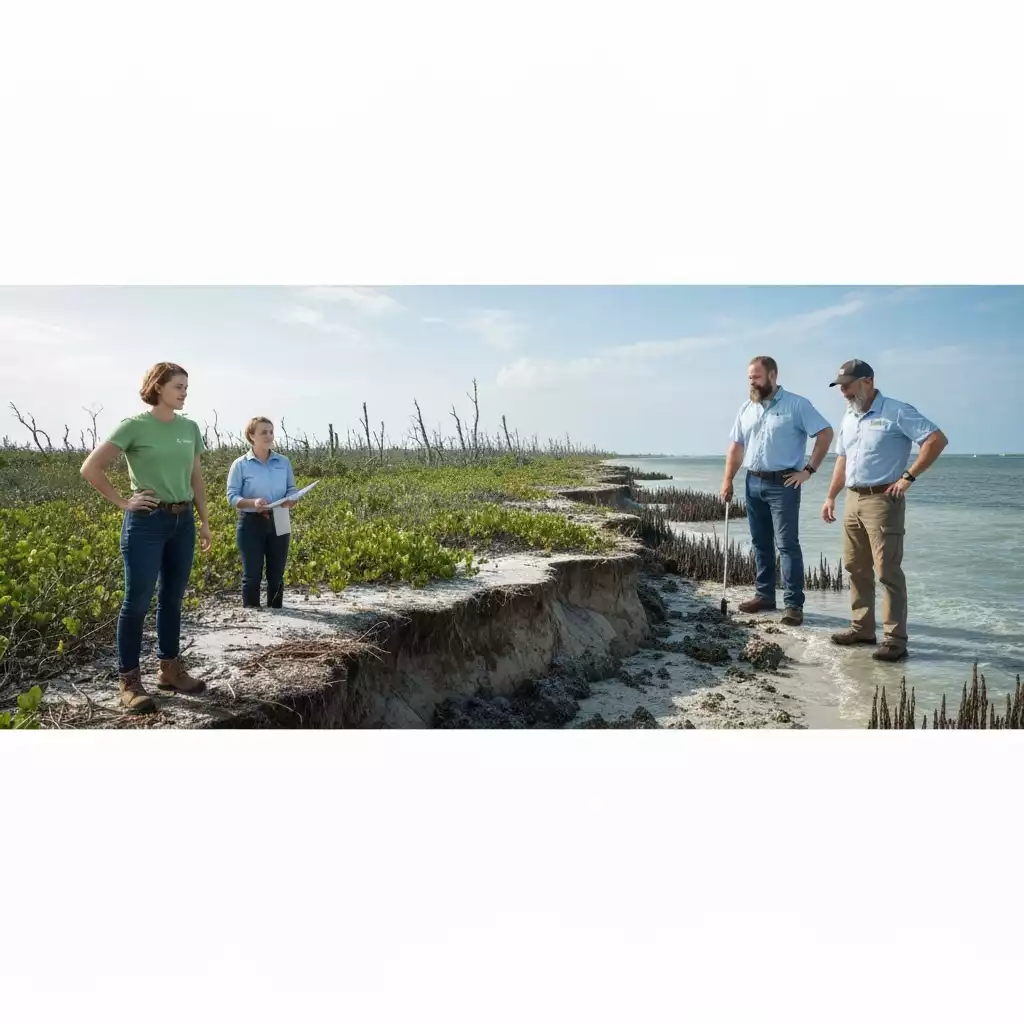
- Dune erosion affects nesting sites for endangered species.
These points highlight the interconnectedness of our ecosystems and emphasize the need for ongoing research and community action. By staying informed about how storms impact our wildlife, we can take steps to mitigate these effects and support recovery efforts.
Frequently Asked Questions About Storm Impacts on Fort Myers Ecosystems
- Q: How do hurricanes specifically impact Fort Myers’ ecosystems?
- A: Hurricanes cause significant physical destruction to habitats through intense winds and heavy rainfall, leading to erosion, altered landscapes, and disruptions in the food chain. This can result in habitat loss and increased competition among species.
- Q: What are the main consequences of coastal flooding for wildlife in Fort Myers?
- A: Coastal flooding submerges critical nesting areas for birds and marine life, alters migration patterns if food sources are affected, and increases the vulnerability of displaced animals to predators in unfamiliar territories.
- Q: Why are mangroves and estuaries important for storm protection?
- A: Mangroves and estuaries act as natural buffers, absorbing storm surges and reducing the impact of flooding and erosion. They also provide vital habitats for a diverse range of species and improve water quality by filtering pollutants.
- Q: What can individuals do to help with wildlife preservation in Fort Myers?
- A: Individuals can contribute by volunteering with local conservation groups, participating in beach clean-ups, educating themselves and others about storm preparedness and wildlife protection, and supporting local environmental policies and initiatives.
- Q: What role does coastal management play in maintaining ecosystem health?
- A: Effective coastal management involves protecting natural habitats like mangroves and dunes, monitoring water quality, implementing regulations to prevent overdevelopment, and conducting restoration projects to rehabilitate damaged ecosystems, all of which bolster ecosystem resilience against storms.
Taking Action: How You Can Contribute to Wildlife Preservation
It’s not just enough to understand the impacts; we must also actively participate in preserving our ecosystems! Every one of us can make a difference when it comes to wildlife conservation in Fort Myers. I encourage you to get involved in local initiatives that focus on habitat restoration and community education about storm preparedness.
Here are some practical actions you can take to help protect Fort Myers’ natural environment:
- Volunteer with local conservation groups.
- Participate in beach clean-ups to protect marine habitats.
- Educate yourself and others about storm preparedness and wildlife protection.
- Support local environmental policies and initiatives.
By engaging in these activities, we not only help mitigate the impacts of storms but also foster a stronger appreciation for our unique ecosystems. Remember, every small action counts and contributes to a larger goal of conservation!
Understanding the Role of Coastal Management in Ecosystem Health
Coastal management is vital for maintaining ecosystem health, especially in areas as vulnerable as Fort Myers. Effective management practices ensure that our natural resources are protected and that we can withstand the impacts of severe storms. By implementing sustainable practices, we can bolster the resilience of our ecosystems.
Key aspects of coastal management include:
- Protection of natural habitats like mangroves and dunes.
- Monitoring and maintaining water quality in coastal areas.
- Implementing regulations to prevent overdevelopment along the coast.
- Restoration projects to rehabilitate damaged ecosystems.
Through diligent coastal management, we can create a healthier balance within our ecosystems, ensuring that wildlife has the necessary support to thrive even in the face of challenges like storms. Together, let’s work towards protecting the beauty and biodiversity of Fort Myers for generations to come!
Recap of Key Points
Here is a quick recap of the important points discussed in the article:
- Hurricanes significantly reshape landscapes and alter habitats.
- Coastal flooding displaces both aquatic and terrestrial wildlife, leading to habitat loss.
- Mangroves and estuaries serve a vital role in storm protection and supporting biodiversity.
- Dune erosion affects critical nesting sites for endangered species.
- Active participation in wildlife conservation efforts can mitigate storm impacts.


